Introduction to Rhode Island’s Wildlife
Rhode Island, the smallest state in the United States, is known for its diverse and rich wildlife. Despite its small size, this coastal state offers a variety of habitats that support numerous species of plants and animals. From the stunning shorelines to the tranquil rivers and wetlands, Rhode Island provides a home to a wide range of wildlife, including various mammals, birds, reptiles, and amphibians. One fascinating creature that captures the attention of nature enthusiasts is the otter. However, the question arises, do otters inhabit Rhode Island?
Overview of Otters and Their Habits
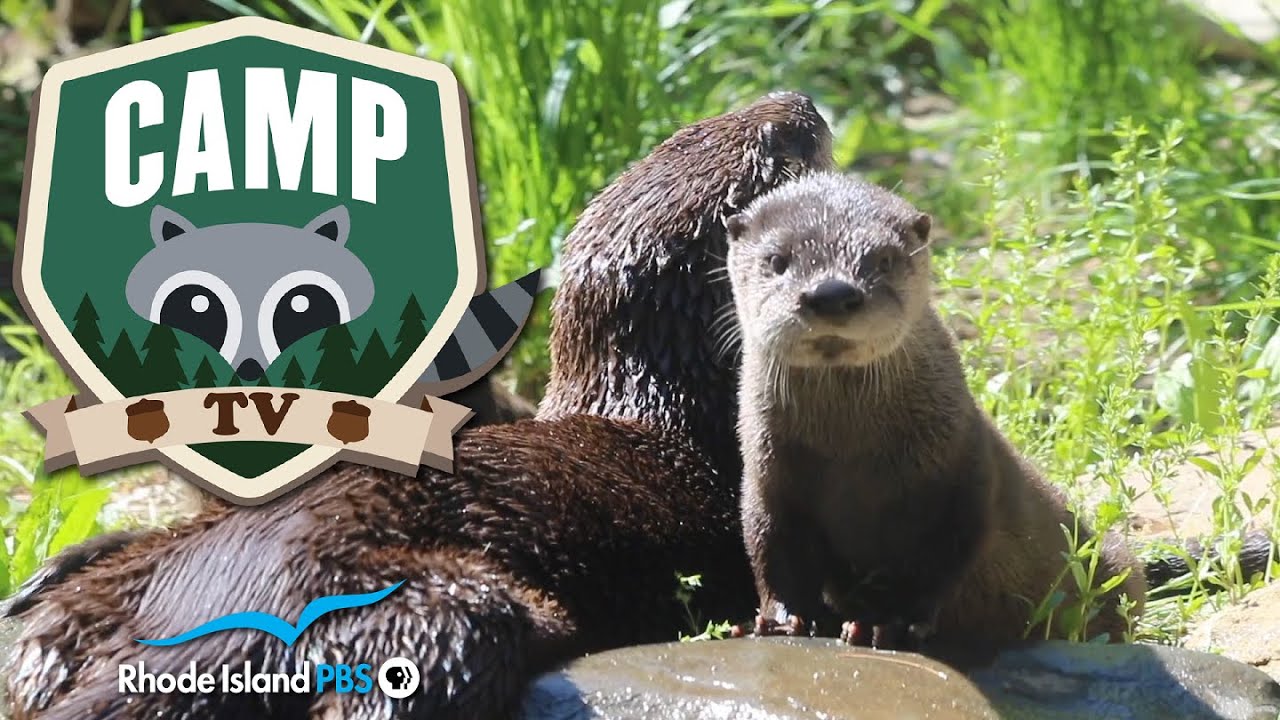
Otters are semi-aquatic mammals that belong to the weasel family. They are known for their playful nature, sleek bodies, and remarkable swimming skills. These charismatic creatures spend much of their time in the water, where they hunt for fish, crustaceans, amphibians, and other small aquatic animals. Otters are highly social animals and can be found in family groups known as rafts. They communicate using a variety of vocalizations and leave distinctive scent markings to establish their territories.
Habitats Suitable for Otters in Rhode Island
Rhode Island offers a diverse array of habitats that are suitable for otters. From freshwater ponds and lakes to rivers and estuaries, these habitats provide an abundant food supply and ample shelter for otters. The state’s extensive coastline, including the Narragansett Bay, offers a mix of rocky shores, sandy beaches, and marshes, which serve as ideal foraging grounds for otters. Additionally, the numerous rivers and streams that traverse the state provide the necessary water resources for otters to thrive.
Presence of Otters in the Surrounding Areas
While Rhode Island’s size may limit the extent of otter habitats within its borders, neighboring states such as Connecticut and Massachusetts have thriving otter populations. Connecticut, in particular, has seen a significant increase in otter sightings and populations in recent years. Given the proximity of these states to Rhode Island, it is plausible that otters may also inhabit certain areas of Rhode Island.
Previous Sightings of Otters in Rhode Island
Although otters may not be as commonly sighted in Rhode Island as in neighboring states, there have been occasional reports and sightings of otters within the state. These sightings are often concentrated in areas with suitable habitats, such as the southern coastal regions. However, due to the elusive nature of otters and their preference for nocturnal activity, they may go unnoticed by many Rhode Island residents and visitors.
Evidence of Otters in Rhode Island Rivers
To determine the presence of otters in Rhode Island, researchers and conservationists have conducted surveys and collected data from various rivers and water bodies. While the evidence may not be conclusive, there have been instances of otter tracks, scat, and other signs of otter activity found in Rhode Island rivers. These clues suggest that otters may indeed inhabit certain areas of the state, albeit in low numbers.
Otter Population Studies in Rhode Island
To gain a better understanding of otter populations in Rhode Island, researchers have initiated population studies and monitoring programs. These studies involve camera trapping, genetic analysis, and the collection of scat samples to estimate population sizes and assess the health of otter populations. While ongoing research is necessary to obtain more accurate data, these studies indicate that otters may have a limited presence in Rhode Island.
Conservation Efforts for Otters in Rhode Island
Despite the limited presence of otters in Rhode Island, conservation efforts are in place to protect and promote the recovery of these remarkable creatures. The state’s Department of Environmental Management and other conservation organizations work towards preserving suitable habitats, managing water resources, and implementing regulations to ensure the well-being of otters. By protecting their habitats and educating the public about the importance of these animals, Rhode Island strives to maintain a healthy ecosystem for both otters and other wildlife.
Factors Affecting Otter Populations in the State
Various factors can influence otter populations in Rhode Island. Habitat loss and degradation, pollution, water quality, and climate change are some of the significant concerns. Otters require clean and unpolluted waters to thrive, making them vulnerable to human activities that degrade their habitats. Addressing these factors and implementing sustainable practices are critical for the long-term conservation of otters in Rhode Island.
Challenges in Spotting Otters in Rhode Island
Spotting otters in Rhode Island can be a challenging task. These elusive creatures are primarily nocturnal and tend to be cautious around humans. Additionally, their preference for remote areas and dense vegetation makes them less visible to human observers. Therefore, the chances of encountering otters in Rhode Island are relatively low, requiring patience, persistence, and a bit of luck.
Encountering Otters in Rhode Island: Safety Tips
If fortunate enough to encounter an otter in Rhode Island, it is essential to prioritize safety and respect for these wild animals. Otters, though generally non-aggressive, can become defensive if they feel threatened or cornered. It is best to observe otters from a distance, avoid any sudden movements, and refrain from feeding or approaching them. Maintaining a respectful distance ensures the safety of both humans and otters, allowing for a peaceful coexistence.
Conclusion: The Current Status of Otters in Rhode Island
While the presence of otters in Rhode Island may be limited, there is evidence to suggest that they inhabit certain areas of the state. Ongoing research and conservation efforts aim to protect and promote the recovery of these charismatic creatures. By addressing the various challenges and supporting sustainable practices, Rhode Island can continue to provide suitable habitats for otters and preserve its diverse wildlife for generations to come.