Rhode Island: A Historical Analysis
Rhode Island, a small state located in the New England region of the United States, has a rich and fascinating history that dates back to its establishment as a colony. This article aims to provide a detailed analysis of the key events and historical context that led to the founding of Rhode Island. It will delve into the early settlements, the key figures involved, and the unique socio-economic development that occurred during this period. Furthermore, it will explore Rhode Island’s relations with Native American tribes, its role in the American Revolution, and the lasting legacy of the colony.
The Establishment of Rhode Island as a Colony
The establishment of Rhode Island as a colony can be traced back to the early 17th century. In 1636, a group of religious dissidents led by Roger Williams settled in the area, seeking religious freedom and autonomy. This marked the beginning of Rhode Island’s journey as a distinct colony with its own set of principles and ideals.
Early Settlements in Rhode Island
Rhode Island’s early settlements were characterized by a diverse group of settlers, including religious dissenters, farmers, traders, and artisans. The main settlements included Providence, Newport, and Warwick. These settlements quickly grew in population and became centers of trade and commerce.
Historical Context: Founding of Rhode Island
The founding of Rhode Island took place within a unique historical context. In the early 17th century, religious persecution was rampant in England, and many sought refuge in the New World. Roger Williams, a prominent figure in the establishment of Rhode Island, advocated for the separation of church and state, making the colony an attractive destination for those seeking religious freedom.
Key Events Leading to Rhode Island’s Colonization
Several key events paved the way for Rhode Island’s colonization. In 1631, Roger Williams arrived in Massachusetts Bay Colony, but his outspoken beliefs and criticism of the colony’s religious practices led to his banishment. Following this, Williams sought refuge with the Narragansett tribe and ultimately established the settlement of Providence in 1636.
The Pivotal Year: 1636 and Rhode Island’s Birth
1636 was a pivotal year for Rhode Island, as it marked the establishment of the first permanent settlement in Providence. Roger Williams, accompanied by a small group of followers, purchased land from the Narragansett tribe and founded the settlement based on principles of religious freedom and tolerance.
Roger Williams: Founder and Visionary of Rhode Island
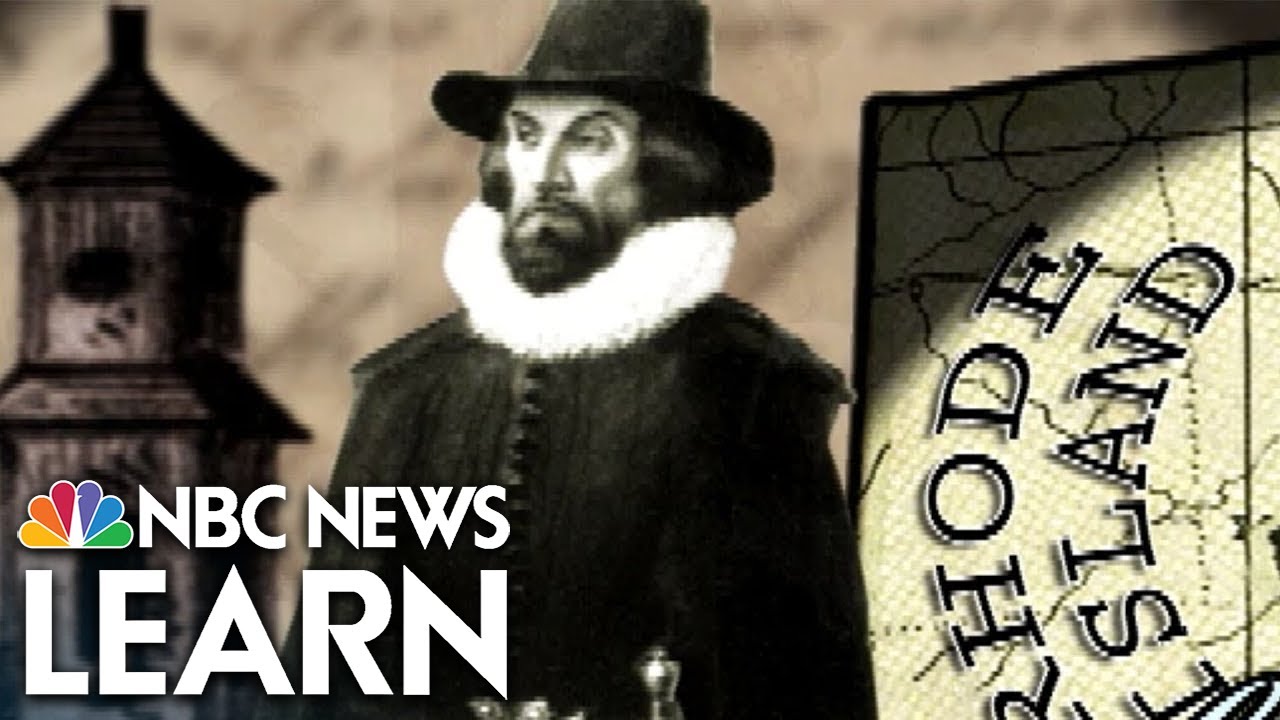
Roger Williams played a crucial role in the founding of Rhode Island. He was a renowned theologian and advocate for religious freedom. Williams firmly believed in the separation of church and state and championed the idea of a democratic government, which laid the foundation for Rhode Island’s unique governance system.
Rhode Island’s Colonial Charter: A Unique Governance System
Rhode Island’s colonial charter, granted by King Charles II in 1663, provided the colony with a unique governance system. It established religious freedom and granted a significant degree of autonomy to the colony, allowing it to thrive and develop its own laws and institutions.
Socioeconomic Development in Early Rhode Island
Early Rhode Island witnessed significant socioeconomic development, driven by its diverse population and natural resources. The colony’s economy flourished through trade, fishing, shipbuilding, and agriculture. Additionally, Rhode Island’s commitment to religious freedom and tolerance attracted skilled artisans and entrepreneurs, contributing to its growth.
Rhode Island’s Relations with Native American Tribes
Rhode Island’s relations with Native American tribes were relatively peaceful compared to other colonies. Roger Williams, through his respectful interactions and land purchases, established a positive relationship with the Narragansett tribe. This cooperative relationship played a vital role in the colony’s success and survival.
Rhode Island’s Role in the American Revolution
During the American Revolution, Rhode Island emerged as a key player. Its strategic location, thriving maritime trade, and commitment to independence made it a crucial ally in the fight against British rule. Rhode Island played a significant role in naval warfare, providing ships, sailors, and supplies to the Continental Army.
The Legacy of Rhode Island as a Colony
The legacy of Rhode Island as a colony is profound and enduring. Its founding principles of religious freedom, autonomy, and democratic governance continue to shape the state’s identity. Rhode Island’s commitment to individual liberty and religious tolerance has left an indelible mark on the United States, serving as an inspiration for future generations.