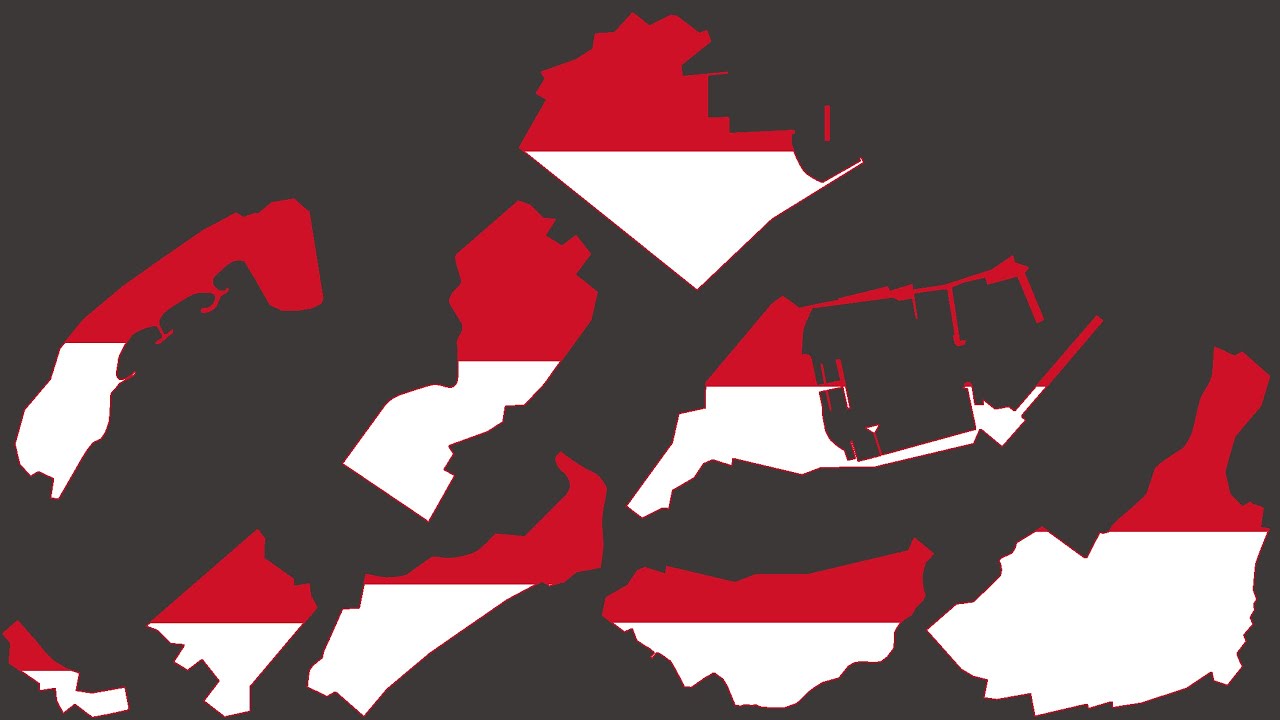
Introduction: Size Comparison Between Monaco and Rhode Island
Monaco and Rhode Island, two small territories with distinct characteristics, provide an interesting study in size comparison. This article aims to explore the similarities and differences between the two, focusing on their geographic location, land area, population, demographics, climate, natural features, economy, cultural and historical significance, and political structure. By examining these aspects, we can gain a deeper understanding of the contrasting sizes and unique attributes of Monaco and Rhode Island.
Geographic Location of Monaco and Rhode Island
Monaco, a sovereign city-state, is situated on the French Riviera in Western Europe. Bordered by France on three sides, it overlooks the Mediterranean Sea, providing stunning coastal views. On the other hand, Rhode Island, one of the 50 states of the United States, is located in the New England region. Surrounded by Connecticut and Massachusetts, this state offers picturesque oceanfront scenery along its eastern coast.
Land Area of Monaco and Rhode Island
When it comes to land area, the discrepancy between Monaco and Rhode Island is quite striking. Monaco covers a mere 2.02 square kilometers, making it the second-smallest country in the world. Meanwhile, Rhode Island spans approximately 3,140 square kilometers, making it the smallest state in the United States. The vast difference in land area highlights the immense contrast between these two territories.
Population Comparison: Monaco vs Rhode Island
Despite its small size, Monaco boasts a significant population density. As of 2021, it is estimated that Monaco is home to around 39,000 residents. In contrast, Rhode Island, with its larger land area, has a much higher population of approximately 1.1 million people. While both Monaco and Rhode Island are compact areas, their populations vary significantly, reflecting diverse socio-cultural dynamics.
Population Density: Monaco and Rhode Island
Due to its limited land area, Monaco has an exceptionally high population density. With an average of around 19,309 residents per square kilometer, it is one of the most densely populated places on Earth. Conversely, Rhode Island has a much lower population density, with an average of approximately 358 residents per square kilometer. This disparity highlights the contrasting urban landscapes of these two regions.
Demographics in Monaco and Rhode Island
Monaco is known for its cosmopolitan nature, attracting individuals from various parts of the world. The population consists of Monegasques, as well as a significant number of foreigners, contributing to its multicultural ambiance. Rhode Island, on the other hand, has a predominantly English-speaking population, with a diverse mix of ethnicities that includes African Americans, Hispanics, and various European ancestries. The demographic composition of both Monaco and Rhode Island adds to their unique cultural fabric.
Climate: Monaco vs Rhode Island
Monaco enjoys a Mediterranean climate with mild, wet winters and hot, dry summers. It benefits from abundant sunshine throughout the year, creating an ideal environment for tourism and outdoor activities. In contrast, Rhode Island experiences a humid continental climate characterized by cold winters and warm summers. The state’s proximity to the Atlantic Ocean also brings a moderating effect on its climate, influencing weather patterns and offering a distinct seasonal contrast.
Natural Features: Monaco and Rhode Island
While Monaco is predominantly urban, it does possess natural beauty in the form of the Mediterranean coastline. The principality is renowned for its picturesque harbors and breathtaking cliffs, providing residents and visitors with stunning views of the sea. Rhode Island, on the other hand, is known for its diverse natural features, including sandy beaches, rocky shores, and verdant forests. Its varied landscapes make it a popular destination for outdoor enthusiasts.
Economy Comparison: Monaco vs Rhode Island
Monaco has a thriving economy that heavily relies on tourism, finance, and real estate. With its luxurious resorts, world-class casinos, and glamorous events, it attracts high-net-worth individuals from around the globe. In contrast, Rhode Island has a more diversified economy, encompassing sectors such as healthcare, education, manufacturing, and tourism. While tourism plays a significant role in both territories, their economic structures differ significantly.
Cultural and Historical Significance: Monaco and Rhode Island
Monaco’s rich history is intertwined with the Grimaldi dynasty, which has ruled the principality for over seven centuries. The glamorous image associated with Monaco is enhanced by its renowned Monte Carlo Casino and the prestigious Formula One Grand Prix. Rhode Island, on the other hand, played a crucial role in the American Revolution and has a deep historical connection to the early colonial period. Its historical significance is reflected in its various museums, landmarks, and preserved sites.
Political Structure: Monaco vs Rhode Island
Monaco is an independent city-state with Prince Albert II as its head of state. It follows a constitutional monarchy system, with a unicameral parliament known as the National Council. Rhode Island, as a state of the United States, operates within a democratic framework. It has a governor as its chief executive, a bicameral legislature, and is represented by two senators in the U.S. Congress. The political structures of Monaco and Rhode Island demonstrate the contrasting systems of governance between a sovereign state and a state within a larger federation.
Conclusion: Contrasting Sizes of Monaco and Rhode Island
In conclusion, the size comparison between Monaco and Rhode Island reveals the vast differences between these territories. While Monaco is a tiny, independent city-state with a small land area and high population density, Rhode Island is the smallest state in the United States, larger in both land area and population. Their geographical locations, demographics, climates, natural features, economies, cultural and historical significance, and political structures further highlight the contrasting attributes of these two unique regions. Understanding these differences provides valuable insights into the diverse world we live in.