
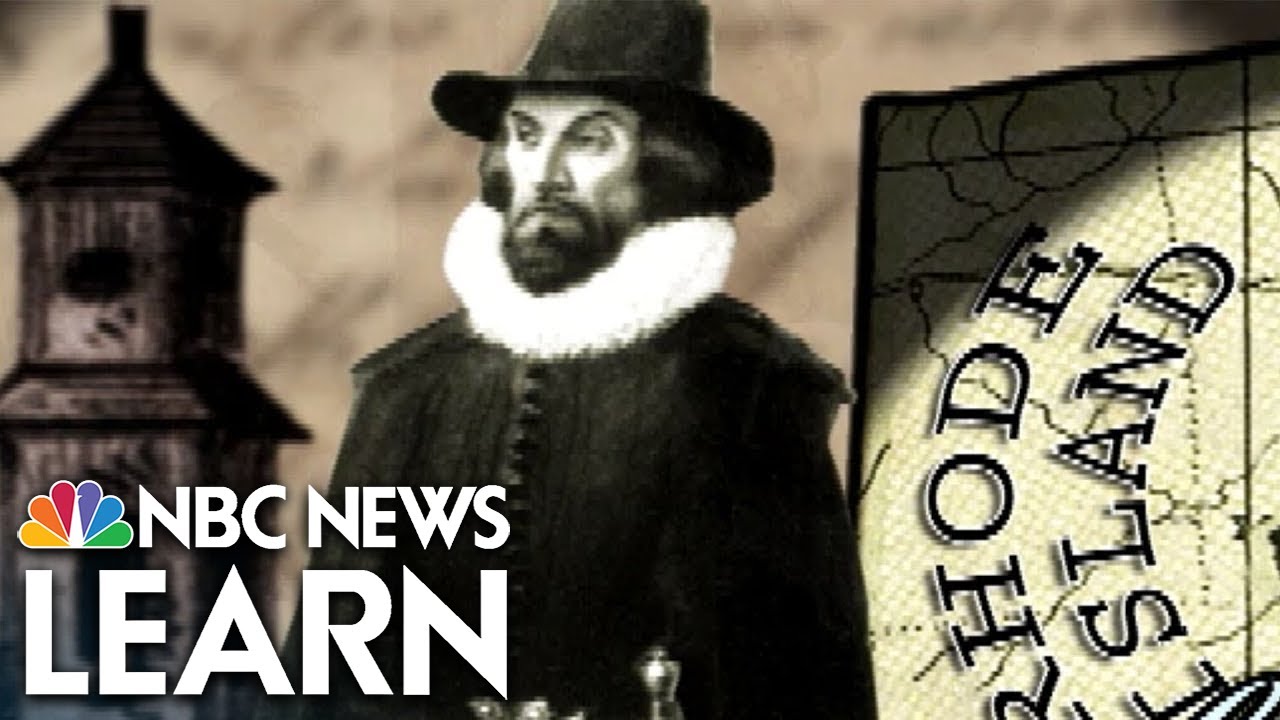
Introduction: The Establishment of the Rhode Island Colony
The establishment of the Rhode Island Colony holds a significant place in American history, as it was one of the earliest and most notable settlements in the New England region. Founded in 1636, this colony was established as a haven for religious freedom and tolerance, attracting settlers from various backgrounds. The story of its establishment is intertwined with the struggles of early European explorers, the presence of Native Americans, and the remarkable contributions of Roger Williams, who played a pivotal role in creating this unique colony.
Early European Explorers of Rhode Island
Before the establishment of the Rhode Island Colony, European explorers had already made their presence known in the region. In 1524, Italian explorer Giovanni da Verrazzano explored the coast of Rhode Island, claiming the land for France. However, it wasn’t until the early 17th century that the English made their mark in the area. English explorers, such as Bartholomew Gosnold and Martin Pring, sailed along the coast of Rhode Island, paving the way for future colonizers.
Native American Presence in Rhode Island
Rhode Island was originally inhabited by various Native American tribes, including the Narragansett, Wampanoag, and Niantic peoples. These tribes had a rich history and a complex relationship with the European settlers. Initially, interactions between the Europeans and Native Americans were relatively peaceful, characterized by trade and limited cooperation. However, as the English settlers expanded their colonies, conflicts arose, leading to tension and displacement of the Native American tribes.
Roger Williams: The Founder of Rhode Island Colony
Roger Williams, an influential figure in American history, is widely regarded as the founder of the Rhode Island Colony. Born in England in 1603, Williams was a Puritan minister who believed in the separation of church and state and religious freedom for all. His radical ideas clashed with the beliefs of the Massachusetts Bay Colony, leading to his exile and subsequent journey to establish a new colony that would embody his ideals.
The Background and Ideals of Roger Williams
Roger Williams’ background played a significant role in shaping his ideals and beliefs. He was strongly influenced by the religious dissent and political turmoil of his time. Williams firmly believed in the rights of individuals to practice their religion freely without interference from the government. He also had a deep respect for the Native American tribes, advocating for fair treatment and just compensation for their land.
Banishment from Massachusetts Bay Colony
Williams’ outspoken nature and his controversial views on religious freedom led to his banishment from the Massachusetts Bay Colony in 1635. The colony’s leaders saw his ideas as radical and dangerous, fearing that they would undermine the established religious and political order. Williams was forced to leave his home and seek refuge elsewhere, marking the beginning of his journey to create a colony that aligned with his principles.
Williams’ Journey and the Creation of Rhode Island
Following his banishment, Roger Williams traveled south, seeking shelter among the Native American tribes in present-day Rhode Island. With their support, he founded the settlement of Providence in 1636. Williams negotiated fair land purchases with the Native Americans and established a government based on democratic principles. This marked the birth of the Rhode Island Colony, the first colony in America to guarantee religious freedom for all.
Religious Freedom in the New Colony
Religious freedom was one of the fundamental principles upon which the Rhode Island Colony was built. Williams envisioned a society where individuals could freely practice their religion without fear of persecution. This attracted settlers from various religious backgrounds, including Quakers, Baptists, and Jews, who sought refuge in the new colony. The Rhode Island Colony became a haven for those seeking religious tolerance, setting a precedent for the future development of the United States.
The Charter of Rhode Island Colony
In 1644, the Rhode Island Colony received its charter from the English Parliament, which granted the settlers the right to self-governance. This charter not only solidified the legal status of the colony but also protected religious freedom and ensured the separation of church and state. The Rhode Island Colony became a shining example of a democratic society that valued individual liberties and served as an inspiration for future generations.
Early Challenges and Successes of the Colony
In its early years, the Rhode Island Colony faced numerous challenges, including conflicts with neighboring colonies and financial instability. However, the colonists’ resilience and determination led to several notable successes. The colony became known for its prosperous trade, particularly in the fields of fishing, shipbuilding, and agriculture. Its commitment to religious freedom and democratic principles attracted an influx of settlers, contributing to its growth and stability.
Rhode Island Colony’s Role in American History
The Rhode Island Colony played a significant role in American history, particularly in the development of religious freedom and democratic ideals. Its establishment set a precedent for the separation of church and state, influencing the framers of the United States Constitution centuries later. The colony’s commitment to religious tolerance and individual liberties shaped the early foundations of American society and contributed to the nation’s identity as a land of freedom and opportunity.
Legacy of the Rhode Island Colony
The legacy of the Rhode Island Colony continues to endure today. Its establishment as a refuge for religious freedom and tolerance laid the groundwork for the diverse and inclusive society that America strives to be. The principles championed by Roger Williams and the early settlers of Rhode Island – religious freedom, democratic governance, and respect for individual liberties – remain fundamental values that shape the nation. The Rhode Island Colony’s legacy serves as a reminder of the power of ideas and the enduring impact of those who dare to challenge the status quo.