Rhode Island: The Smallest State in the U.S.
Rhode Island, located in the New England region of the United States, holds the distinction of being the smallest state in the country. Despite its size, Rhode Island is rich in history and culture. As with every state in the U.S., Rhode Island has a capital city that serves as its administrative and political center.
State Capitals: A Brief Introduction
Every state in the United States has a designated capital city, which serves as the seat of government and the center of political activities. The capital is where the state legislature convenes and where the governor’s office is located. It is also the administrative hub for state agencies and departments.
Historical Background of Rhode Island’s Capital
The state of Rhode Island was founded in 1636 by Roger Williams, a religious dissenter, who sought to establish a place where individuals could practice their religion freely. The state’s capital has changed several times throughout its history, with different cities serving as the seat of government. Ultimately, Providence emerged as the capital of Rhode Island.
Founding of the Capital: A Story Unveiled
When Rhode Island was first established, the capital was located in Portsmouth. However, due to disagreements among the settlers, the capital was moved to Newport. This arrangement lasted for several years before it became clear that Newport was not suitable as the permanent capital. In 1900, it was decided that Providence would become the capital city, and it has remained so ever since.
Providence: The Capital of Rhode Island
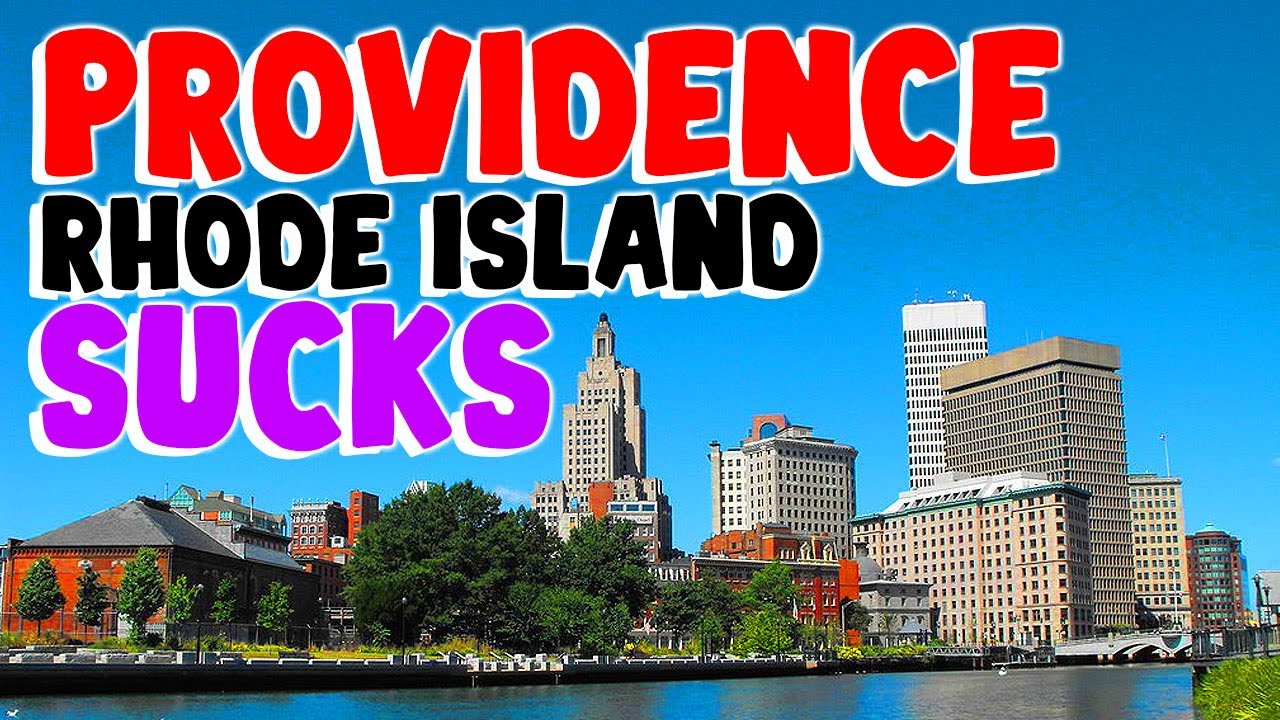
Providence, the capital of Rhode Island, is the largest city in the state and is renowned for its rich history and vibrant cultural scene. The city’s name was chosen to signify "God’s merciful Providence" by its founder, Roger Williams. Nestled along the shores of the Providence River, the city is home to numerous historic sites, government buildings, and institutions of higher education.
Providence: A City of Rich Cultural Heritage
Providence boasts a diverse and vibrant cultural heritage. The city is known for its thriving arts scene, with numerous theaters, galleries, and performance spaces. It is also home to several museums, including the renowned Rhode Island School of Design (RISD) Museum, which houses an extensive collection of art and artifacts. Providence celebrates its cultural diversity through various festivals and events throughout the year.
Economic Significance of Providence
Providence plays a vital role in Rhode Island’s economy. The city is a major center for finance, healthcare, education, and technology. Several large corporations have their headquarters in Providence, contributing to the city’s economic growth and job opportunities. Additionally, the presence of prestigious universities and research institutions attracts talent and fosters innovation in various fields.
Political Importance of the Capital
As the capital of Rhode Island, Providence holds significant political importance. The State House, located in downtown Providence, serves as the legislative and administrative center of the state government. It is where important decisions are made, laws are passed, and the governor’s office is situated. The State House is an architectural marvel and a symbol of the state’s democratic governance.
Providence: A Center for Education and Research
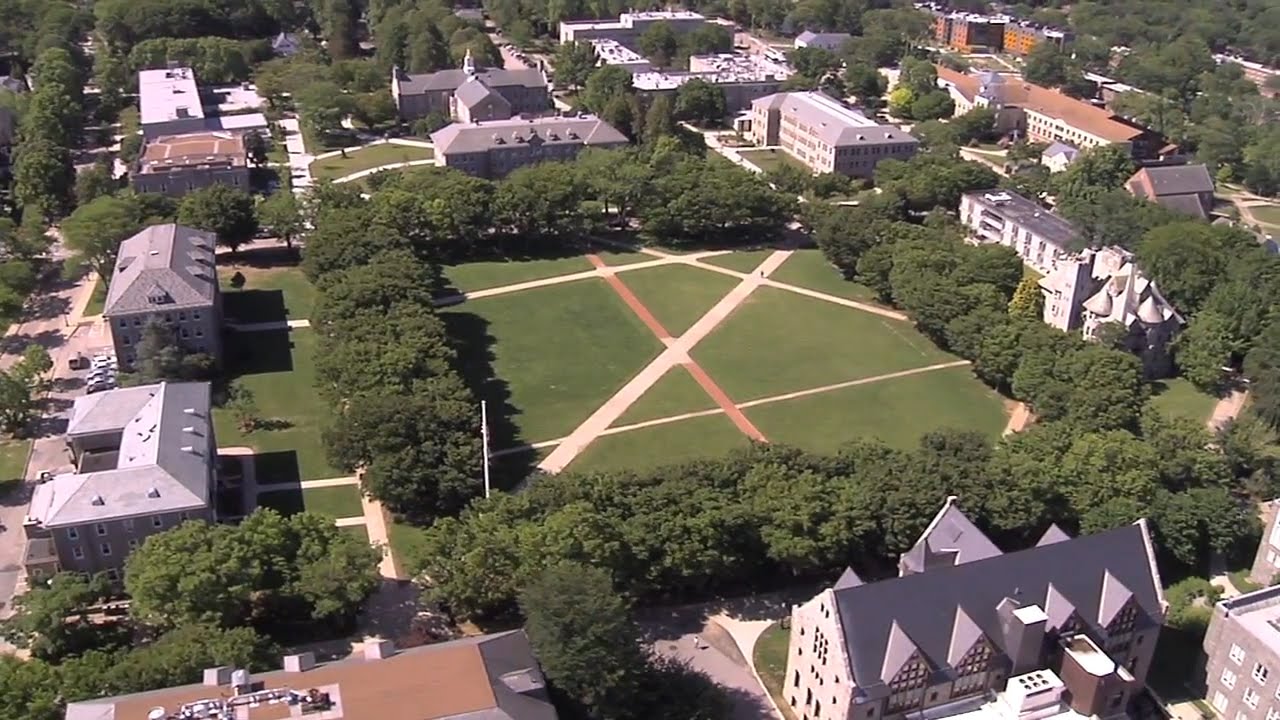
Providence is renowned for its educational institutions and research centers. The city is home to prestigious universities such as Brown University and Providence College, attracting students from all over the world. These institutions contribute to the city’s intellectual and cultural vibrancy and play a crucial role in driving innovation and research in various fields.
The Role of Providence in State Governance
Providence serves as the hub of state governance in Rhode Island. The city houses numerous government buildings, including the State House and various administrative offices. It is where lawmakers convene to discuss and debate important issues, shape policies, and make decisions that impact the entire state. The city’s central location allows for easy access for legislators and citizens from all parts of Rhode Island.
Tourist Attractions in Rhode Island’s Capital
Providence offers a plethora of tourist attractions for visitors to enjoy. The historic Benefit Street showcases well-preserved colonial-era homes, while WaterFire, a unique art installation, lights up the downtown area with bonfires on the river. Visitors can explore the Roger Williams Park, visit the Rhode Island School of Design Museum, or indulge in a culinary adventure at the city’s vibrant restaurants.
Conclusion: Providence’s Role as Rhode Island’s Capital
Providence, the capital of Rhode Island, holds immense historical, cultural, and economic significance for the state. With its rich heritage, thriving arts scene, and prestigious educational institutions, Providence is a city that attracts both residents and visitors alike. As the political and administrative center of Rhode Island, Providence plays a crucial role in shaping the state’s governance and policies, making it an essential and vibrant part of the smallest state in the U.S.