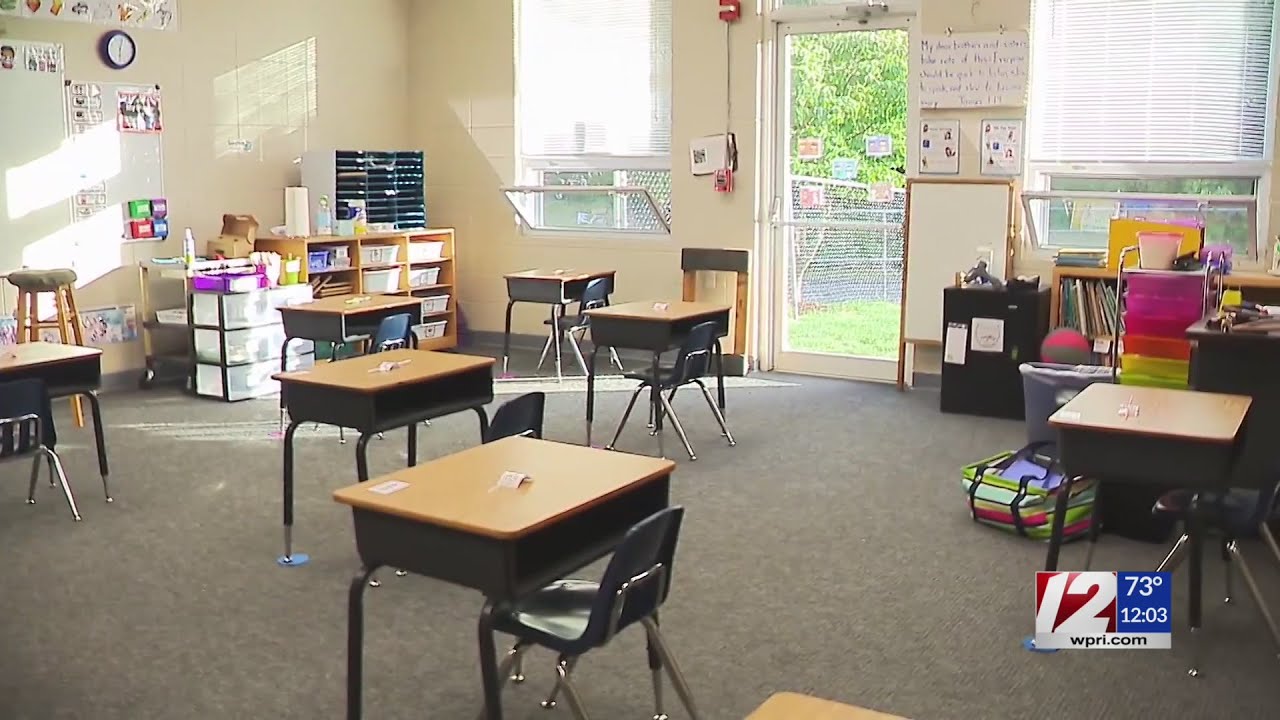
The State of Rhode Island Education System
Rhode Island has a diverse and comprehensive education system, providing numerous opportunities for students to receive quality education. The state is home to a range of public, private, and charter schools, each with their own unique educational approaches and goals. However, recent events have prompted discussions about the possibility of transitioning Rhode Island schools to virtual learning platforms.
Traditional Learning vs Virtual Learning
Traditional learning, which involves face-to-face instruction in a physical classroom setting, has long been the norm in Rhode Island schools. However, the emergence of virtual learning platforms has created alternative opportunities for students to access education. Virtual learning refers to the use of technology to deliver educational content and instruction remotely, allowing students to learn from anywhere with an internet connection.
The Transition Towards Virtual Learning
In response to the COVID-19 pandemic, Rhode Island schools were forced to quickly transition to virtual learning in order to ensure the continuity of education. This abrupt shift not only presented challenges for students, teachers, and parents, but also highlighted the potential of virtual learning as a viable alternative to traditional classroom-based education.
Challenges Faced by Rhode Island Schools
The transition to virtual learning has not been without its challenges. Many Rhode Island schools struggled to provide students with the necessary resources, such as devices and internet access, to fully participate in virtual learning. Additionally, teachers faced the task of adapting their lesson plans and teaching methods to an online format, requiring additional time and training.
Benefits of Virtual Learning in Education
Virtual learning offers several benefits to the education system in Rhode Island. Firstly, it provides flexibility in terms of scheduling, allowing students to learn at their own pace and at times that best suit their needs. Secondly, virtual learning platforms enable students to access a wider range of educational resources and materials, enhancing their learning experience. Lastly, virtual learning offers the opportunity for personalized instruction, as teachers can tailor lessons to meet individual student’s needs.
Potential Impact on Students and Teachers
The transition to virtual learning has the potential to impact both students and teachers. For students, virtual learning may require increased self-discipline and time management skills, as they are responsible for structuring their own learning environment. Additionally, students may experience a decrease in social interaction, as virtual learning lacks the face-to-face interactions found in traditional classrooms. For teachers, virtual learning may necessitate the development of new skills and pedagogical approaches, as well as increased reliance on technology for instruction and assessment.
Technology Infrastructure for Virtual Learning
The success of virtual learning in Rhode Island schools depends on the availability and reliability of technology infrastructure. Schools must ensure that students have access to devices, such as laptops or tablets, and a stable internet connection in order to fully participate in virtual learning. Additionally, schools must invest in appropriate software and platforms that facilitate effective communication and collaboration between students and teachers.
Supporting Students with Special Needs
One of the challenges of virtual learning is ensuring that students with special needs receive the necessary support and accommodations. Rhode Island schools must develop strategies to ensure that students with disabilities have equal access to education in a virtual environment. This may include providing assistive technology, additional support services, and individualized plans to address their unique needs.
Ensuring Equal Access to Education
Virtual learning has the potential to bridge the educational gap by providing equal access to education for all students. However, it is important for Rhode Island schools to address the issue of the digital divide, where some students may lack the necessary technology or internet access to participate in virtual learning. Schools must work to provide equitable access to technology resources and support for all students, regardless of their socioeconomic background.
Evaluating the Effectiveness of Virtual Learning
As Rhode Island schools continue to transition towards virtual learning, it is crucial to evaluate the effectiveness of this approach. Schools must gather data and feedback from students, teachers, and parents to assess the impact of virtual learning on student outcomes and overall educational experience. This evaluation will help inform future decisions regarding the integration of virtual learning in Rhode Island schools.
The Role of Parents in Virtual Education
Parents play a crucial role in supporting their children’s virtual education. They must ensure that their children have a conducive learning environment at home, facilitate their engagement with virtual learning platforms, and provide emotional support. Rhode Island schools should actively involve parents in the virtual learning process by providing resources and guidance to help them navigate this new educational landscape.
The Future of Rhode Island Schools
The COVID-19 pandemic has undoubtedly accelerated the adoption of virtual learning in Rhode Island schools. While the future remains uncertain, it is clear that virtual learning will continue to play a significant role in education. Rhode Island schools must continue to adapt and innovate to ensure that students receive a quality education, whether through traditional or virtual learning, and foster a learning environment that meets the needs of all students.