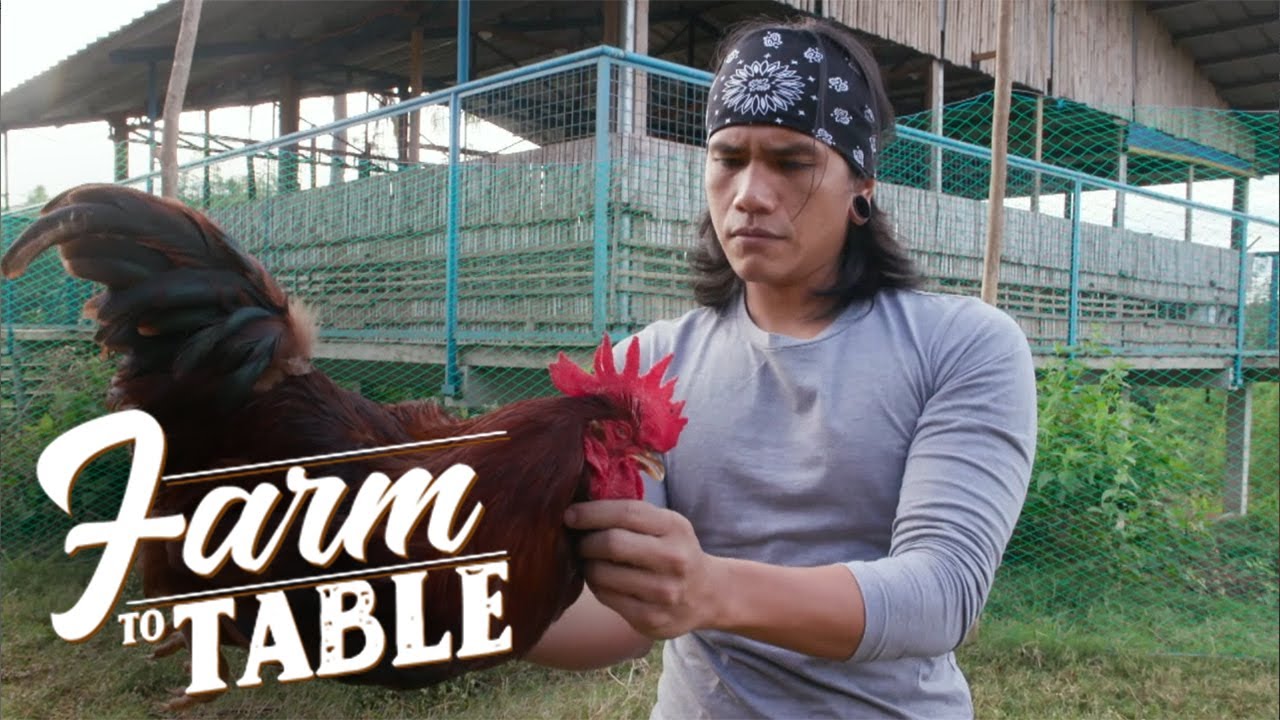
Introduction to Rhode Island Red chickens
Rhode Island Red chickens are a popular breed known for their hardiness, versatility, and excellent egg-laying abilities. Originating in the United States in the late 19th century, these birds have become a favorite among backyard chicken enthusiasts and small-scale farmers alike. They are known for their vibrant rust-colored feathers, which are stunning to behold. In addition to being excellent egg layers, Rhode Island Reds are also valued for their meat, making them a dual-purpose breed. To ensure the health and well-being of these chickens, it is important to follow recommended care practices specific to this breed.
Housing requirements for Rhode Island Red chickens
When it comes to housing Rhode Island Red chickens, a spacious and secure coop is essential. These birds require ample room to move around, stretch their wings, and engage in natural behaviors. The coop should be well-ventilated to prevent respiratory problems and provide protection from extreme weather conditions. Additionally, the coop should have sturdy walls and a predator-proof design to keep Rhode Island Reds safe from potential threats. Each bird should have at least 4 square feet of floor space, and nesting boxes should be provided for egg-laying.
Providing a balanced diet for Rhode Island Red chickens
To keep Rhode Island Reds healthy and thriving, it is crucial to provide them with a well-balanced diet. Their diet should consist of high-quality chicken feed that is specifically formulated for laying hens. The feed should contain the right balance of carbohydrates, proteins, vitamins, and minerals to support egg production and overall health. In addition to the feed, Rhode Island Reds should also have access to fresh and clean water at all times. Supplemental treats such as fruits, vegetables, and grains can be offered in moderation, but it is important not to overfeed them as it can lead to obesity and health issues.
Health care practices for Rhode Island Red chickens
Regular health care practices are essential to keep Rhode Island Reds in optimal condition. This includes regular check-ups by a veterinarian, vaccinations, and deworming. It is also important to keep a close eye on the birds for any signs of illness or injury. Promptly addressing any health issues can prevent them from worsening and spreading to other birds. Rhode Island Reds should also have their beaks trimmed to prevent pecking and feather picking. Additionally, maintaining a clean and sanitary environment in the coop helps reduce the risk of diseases.
Tips for maintaining proper hygiene in the coop
Maintaining a clean and hygienic coop is vital for the health of Rhode Island Reds. Regularly cleaning the coop by removing soiled bedding, droppings, and uneaten food helps prevent the buildup of harmful bacteria and parasites. The coop should be thoroughly cleaned and disinfected on a regular basis. It is also important to provide fresh bedding material, such as straw or wood shavings, to keep the coop dry and comfortable for the chickens. Good ventilation and proper waste management are additional measures that contribute to a healthy and clean coop environment.
Promoting exercise and free-range opportunities
Rhode Island Reds, like any other chicken breed, benefit from regular exercise and free-range opportunities. Allowing them to roam and forage in a safe and secure outdoor space not only provides mental stimulation but also allows them to engage in natural behaviors such as dust bathing and scratching for food. However, it is important to ensure that the area is predator-proof and that the chickens are supervised to prevent them from wandering into unsafe areas. Free-ranging also allows the birds to get essential sunlight, which helps in the production of vitamin D and strengthens their immune system.
How to handle Rhode Island Red chickens safely
When handling Rhode Island Red chickens, it is important to do so gently and with care. They should be approached calmly, avoiding sudden movements that may startle them. It is recommended to pick them up by cupping their bodies, supporting their wings, and holding them close to your chest. This prevents them from flapping their wings and potentially causing injury. Regular handling from a young age can help Rhode Island Reds become more comfortable with human interaction and make them easier to manage for health checks and maintenance activities.
Recognizing common health issues in Rhode Island Red chickens
As with any breed, Rhode Island Reds are susceptible to certain health issues. It is crucial for chicken owners to be familiar with common health problems that can affect these birds. Some of the issues that Rhode Island Reds may experience include respiratory infections, egg-related problems, and conditions such as bumblefoot and vent gleet. Being vigilant and regularly observing the birds for any signs of illness, abnormal behavior, or changes in egg production can help identify potential health issues early on and seek appropriate veterinary care.
Preventing and treating parasites in Rhode Island Red chickens
Parasites pose a significant risk to the health and well-being of Rhode Island Red chickens. External parasites like mites, lice, and fleas can cause discomfort, anemia, and even transmit diseases. Regularly inspecting the birds for signs of infestation, such as feather loss, scabs, or itchiness, is important. Implementing a parasite control program, which may involve dusting the birds with poultry-grade insecticides or using natural remedies, can effectively prevent and treat parasite problems. Maintaining a clean coop and providing dust baths with diatomaceous earth can also help control external parasites.
Identifying signs of stress in Rhode Island Red chickens
Rhode Island Reds, like all chickens, are prone to stress, which can negatively impact their health and productivity. It is important to be able to recognize signs of stress in these birds. Some common indicators of stress in Rhode Island Reds include aggressive behavior, reduced appetite, decreased egg production, feather picking, and unusual vocalizations. Identifying the source of stress, which can range from overcrowding to sudden environmental changes, is crucial for implementing appropriate measures to reduce stress levels. Providing a calm and comfortable environment, ensuring sufficient space, and avoiding drastic changes can help minimize stress in Rhode Island Reds.
The importance of socialization for Rhode Island Red chickens
Socialization plays a vital role in the development and well-being of Rhode Island Red chickens. These birds are naturally sociable and thrive in the presence of other chickens. It is recommended to raise Rhode Island Reds in small flocks to allow them to establish a pecking order and social hierarchy. Having companionship promotes natural behaviors, reduces stress, and encourages overall flock harmony. Adequate space, appropriate nesting boxes, and perches should be provided to accommodate the social dynamics and hierarchy within the flock.
Breeding and reproduction considerations for Rhode Island Red chickens
For those interested in breeding Rhode Island Reds, several considerations should be taken into account. Selecting healthy and genetically diverse breeding stock is essential to ensure the overall health and vigor of the offspring. Rhode Island Reds should reach sexual maturity before mating, typically around 5 to 6 months of age. It is important to provide suitable nesting areas for the hens and to collect and store eggs properly for incubation if desired. It is recommended to consult with experienced breeders or poultry experts to acquire knowledge and guidance on breeding practices specific to Rhode Island Reds.