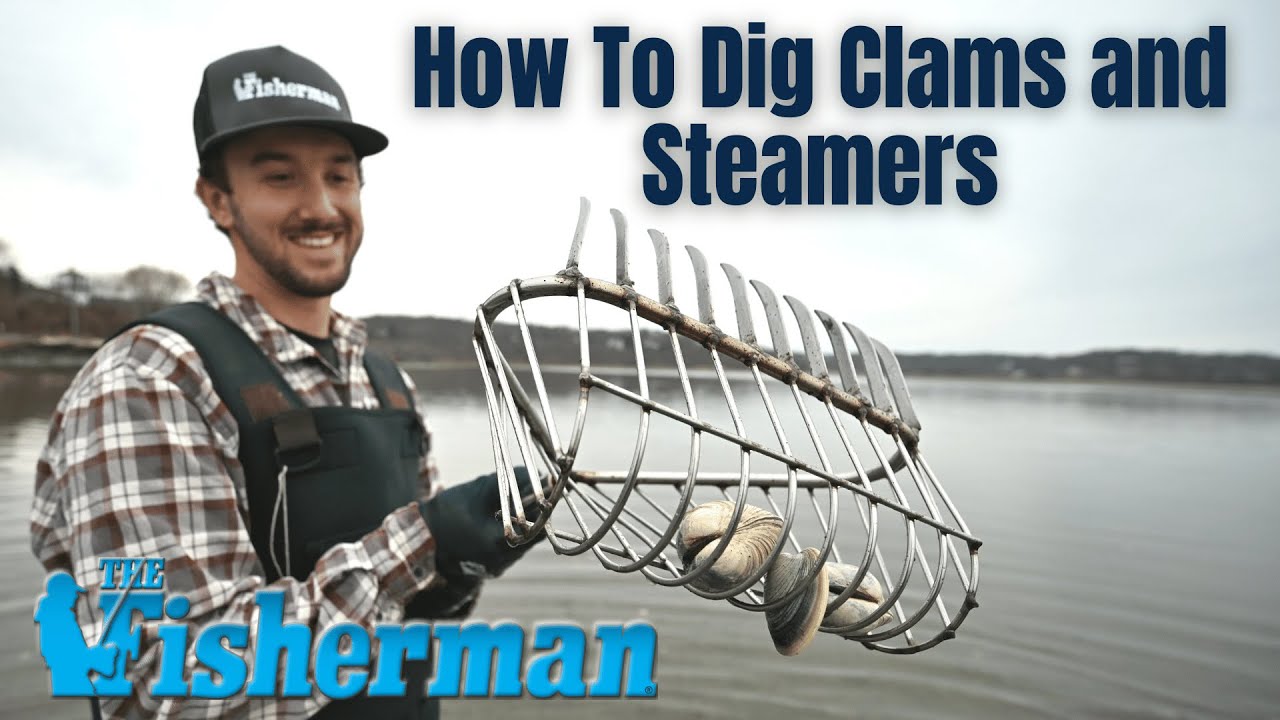
Introduction to Clam Digging in Rhode Island
Clam digging, also referred to as clamming, is a popular recreational activity and a vital industry in Rhode Island. With its extensive coastline and rich marine resources, the state offers an ideal environment for harvesting clams. Clam digging involves the manual excavation of clams from the sandy or muddy shores along the coastline. This article provides a comprehensive guide to the process of clam digging in Rhode Island, including the equipment needed, the techniques involved, legal requirements, and popular clamming spots.
Understanding the Local Clam Species
Rhode Island is home to several species of clams, including the hard clam (Quahog), soft-shell clam (Steamer), razor clam, and surf clam. The hard clam is the most abundant and iconic species found in the state’s coastal waters. Its shell is thick and durable, providing protection against predators and changing environmental conditions. The soft-shell clam, on the other hand, has a thinner shell and is highly sought after for its tender meat. Razor clams and surf clams are less common but can still be found in certain areas of Rhode Island.
Equipment and Tools Needed for Clam Digging
To engage in clam digging, a few essential tools and equipment are required. These include a clam rake or clam hoe, a bucket or basket for collecting clams, a clam gauge to measure the size of the clams, and a mesh bag or container for transporting the clams. A pair of rubber gloves is also recommended to protect hands from sharp shells and potential cuts. Additionally, wearing comfortable waterproof boots with good traction is crucial to navigate the often slippery and muddy terrain.
Locating Optimal Clamming Areas in Rhode Island
Finding the right clamming spot is crucial for a successful clam digging experience. Clams are typically found in areas with sandy or muddy bottoms, such as salt ponds, tidal flats, and estuaries. Some popular clamming areas in Rhode Island include Ninigret Pond, Point Judith Pond, and Greenwich Bay. It is advisable to consult local clamming guides or obtain information from experienced clam diggers to identify the best locations based on tides, water currents, and recent clamming reports.
Legal Requirements and Regulations for Clam Digging
Before engaging in clam digging, it is important to be aware of the legal requirements and regulations set by the Rhode Island Department of Environmental Management (DEM). A recreational clamming license is mandatory for anyone aged 13 or older who wishes to harvest clams. Additionally, there are specific size and bag limits for each clam species to ensure sustainable harvesting practices. It is essential to familiarize oneself with these regulations to avoid penalties and support the long-term health of the clam population.
Techniques for Properly Digging Clams
Proper technique is essential for successful clam digging. Begin by identifying areas with small holes or depressions in the sand or mud, indicating the presence of clams beneath the surface. Position the clam rake or hoe at an angle and push it into the ground, then pull it towards you to scoop up the sand. Gently shake the contents of the rake to expose any clams. Spotting clams can be challenging, so a keen eye is required to differentiate them from rocks or debris. Repeat the process until the desired number of clams is collected.
Identifying Clams and Differentiating from Other Species
Accurately identifying clams and distinguishing them from other species is crucial to comply with size limits and regulations. Hard clams, also known as Quahogs, have a rounder shape and thicker shells compared to other species. Soft-shell clams, or Steamers, have elongated shells with a pronounced neck or siphon. Razor clams have a distinct oblong shape, while surf clams feature a large and elongated shell. Familiarizing oneself with the characteristics of each species is essential to prevent unintended harvesting of protected or undersized clams.
Gathering and Storing Clams during the Digging Process
As clams are collected during the digging process, they should be immediately placed in a bucket or basket. To ensure the clams remain alive and fresh, it is important to avoid overcrowding and provide adequate ventilation. Placing a damp cloth or seaweed on top can help keep the clams moist and prevent them from drying out. It is advisable to periodically check the clams, removing any that are damaged, dead, or undersized. Proper handling and care during the digging process will help maintain the quality and taste of the clams.
Cleaning and Preparing Clams for Consumption
Before consuming clams, proper cleaning is essential to remove sand, dirt, and any other impurities. Start by rinsing the clams under cold running water, scrubbing the shells with a brush to remove any debris. For soft-shell clams, soaking them in saltwater for a short period can encourage them to release sand and grit. It is important to discard any clams that remain open after tapping them, as this indicates that they are dead and should not be consumed. Clams can be prepared in various ways, including steaming, frying, or adding them to soups and stews.
Popular Clam Digging Spots in Rhode Island
Rhode Island offers numerous popular clam digging spots for enthusiasts. East Matunuck State Beach, Beavertail State Park, and Gooseberry Beach are known for their abundant clam populations. Scarborough State Beach and Charlestown Breachway are also popular destinations. It is advisable to check local regulations and obtain any necessary permits before visiting these locations. Additionally, considering factors such as accessibility, tidal patterns, and recent clamming reports can enhance the chances of a successful clam digging experience.
Safety Measures and Precautions for Clamming
While clam digging can be an enjoyable activity, it is important to prioritize safety. It is recommended to check weather conditions and tides before heading out to avoid potentially hazardous situations. Wearing appropriate attire, including a life jacket and a hat for sun protection, is crucial. It is advisable to bring along a first aid kit for minor injuries and to be mindful of sharp shells and rocks while walking along the shore. Moreover, it is important to be cautious of changing tides to avoid being stranded or cut off from the shore.
Sustainable Practices for Clam Digging in Rhode Island
To ensure the long-term sustainability of Rhode Island’s clam populations, it is essential to practice sustainable clam digging techniques. This includes adhering to size and bag limits, promptly returning undersized or protected clams to their natural habitat, and limiting the number of clams harvested to reasonable quantities. Avoiding overexploitation of clamming areas and respecting the natural environment by not disturbing other marine creatures or damaging fragile ecosystems are also crucial. By adopting these sustainable practices, clam diggers can contribute to the preservation of Rhode Island’s diverse and valuable clam populations for future generations to enjoy.