What Are Natural Resources?
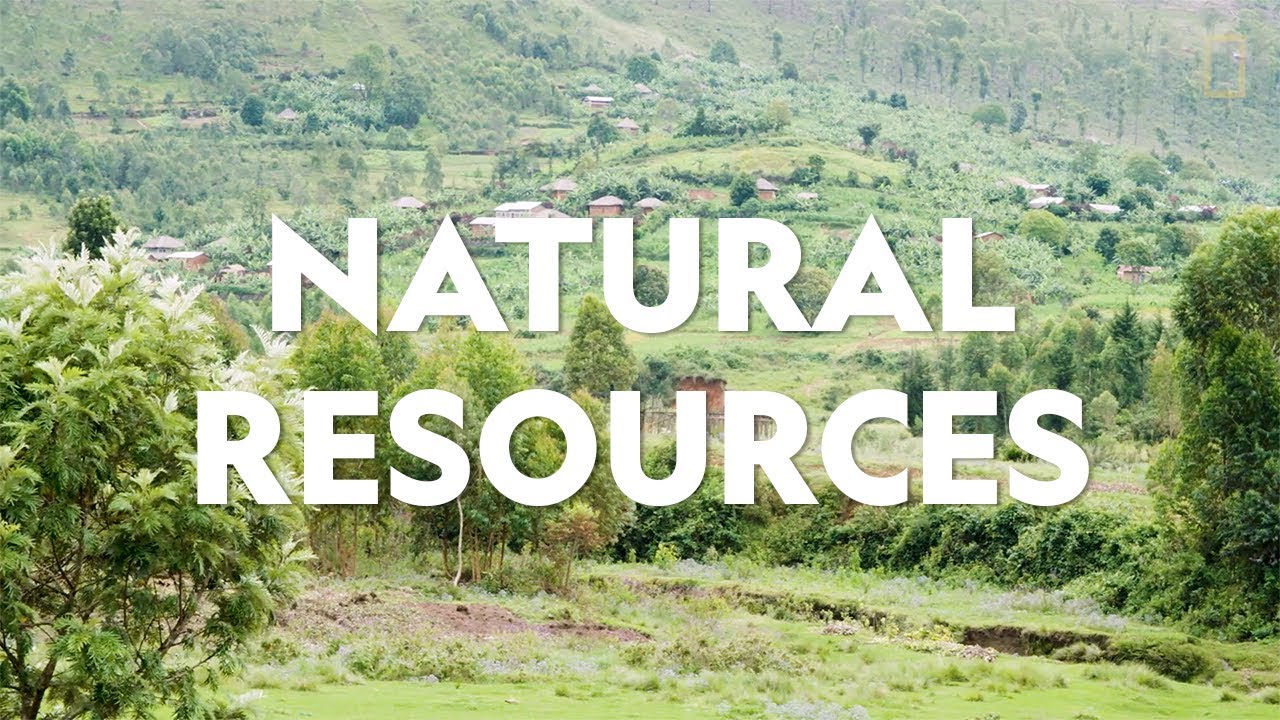
Natural resources are materials or substances that occur naturally in the environment and are used by humans for various purposes. These resources can be classified into renewable and non-renewable resources. Renewable resources are those that can be replenished over time, such as sunlight, wind, water, and forests. Non-renewable resources, on the other hand, are finite and cannot be replenished once they have been depleted, such as oil, coal, and minerals.
Introduction to Rhode Island
Rhode Island, the smallest state in the United States, may be small in size, but it is rich in natural resources. Located in the New England region, Rhode Island is bordered by Connecticut to the west and Massachusetts to the north and east. The state, known as the "Ocean State," has a diverse landscape that includes forests, coastal areas, wetlands, and farmland.
Importance of Natural Resources
Natural resources play a crucial role in the socio-economic development of any region. They provide raw materials for industries and support livelihoods through agriculture, fishing, and tourism. Additionally, natural resources contribute to the ecological balance and provide habitats for various species of plants and animals. Preserving and managing these resources is vital for the long-term sustainability of a region.
Abundance of Natural Resources in Rhode Island
Despite its small size, Rhode Island boasts a wide range of natural resources. The state’s diverse geography and climate contribute to the abundance of these resources. From forests to coastal waters, Rhode Island offers a wealth of opportunities for various industries and recreational activities.
Forests: A Valuable Natural Resource
Rhode Island is home to beautiful forests that cover around 55% of the state’s land area. These forests provide numerous benefits, including timber for the construction industry, clean air and water, and habitat for wildlife. The state has implemented sustainable forest management practices, ensuring the continued availability of this valuable natural resource.
Riches of Rhode Island’s Coastal Waters
Rhode Island’s coastline stretches for approximately 40 miles, offering abundant natural resources in its coastal waters. The state’s waters provide opportunities for commercial and recreational fishing, as well as shellfish harvesting. Lobsters, clams, and oysters are some of the seafood delicacies that come from these coastal waters, contributing to the state’s economy and culinary culture.
Overview of Mining Resources in Rhode Island
Rhode Island has limited mineral resources compared to other states. However, there are still some important mineral deposits found within its borders. These include limestone, sand, and gravel, which are used in construction and road building. The state also has deposits of various clays, used in the production of ceramics and pottery.
Agriculture and Farming in the State
Agriculture plays a significant role in Rhode Island’s economy, with farms spread throughout the state. The fertile soils and favorable climate support the cultivation of a wide range of crops, including fruits, vegetables, and nursery plants. Dairy farming is also prominent, providing fresh milk, cheese, and other dairy products to the local market.
Potential for Renewable Energy
Rhode Island has great potential for renewable energy production. The state is actively promoting the development of wind energy, particularly offshore wind farms. The Block Island Wind Farm, the first offshore wind farm in the United States, is located just off the coast of Rhode Island. In addition to wind energy, the state also utilizes solar power and hydropower to meet its energy needs.
Protected Areas and Wildlife Sanctuaries
Rhode Island places a strong emphasis on preserving its natural resources and protecting its wildlife. The state has several protected areas, including state parks, wildlife management areas, and wildlife refuges. These areas provide habitats for various species of birds, mammals, and plants, allowing them to thrive and ensuring their conservation for future generations.
Challenges to Natural Resource Preservation
While Rhode Island is fortunate to have abundant natural resources, there are several challenges to their preservation. Urbanization and industrialization put pressure on the state’s land and water resources. Pollution and climate change also pose threats to the health and sustainability of these resources. It is essential for the state and its residents to adopt sustainable practices and policies to mitigate these challenges and protect Rhode Island’s natural heritage.
Conclusion: Rhode Island’s Diverse Natural Resources
Rhode Island may be the smallest state in the U.S., but it is rich in diverse natural resources. From its vast forests and coastal waters to its fertile farmland and potential for renewable energy, the state offers a range of opportunities for economic development, biodiversity conservation, and recreational activities. Preserving and managing these resources is crucial to ensure a sustainable future for the state and its residents. By implementing sustainable practices and raising awareness about the importance of natural resource preservation, Rhode Island can continue to benefit from its natural riches for generations to come.