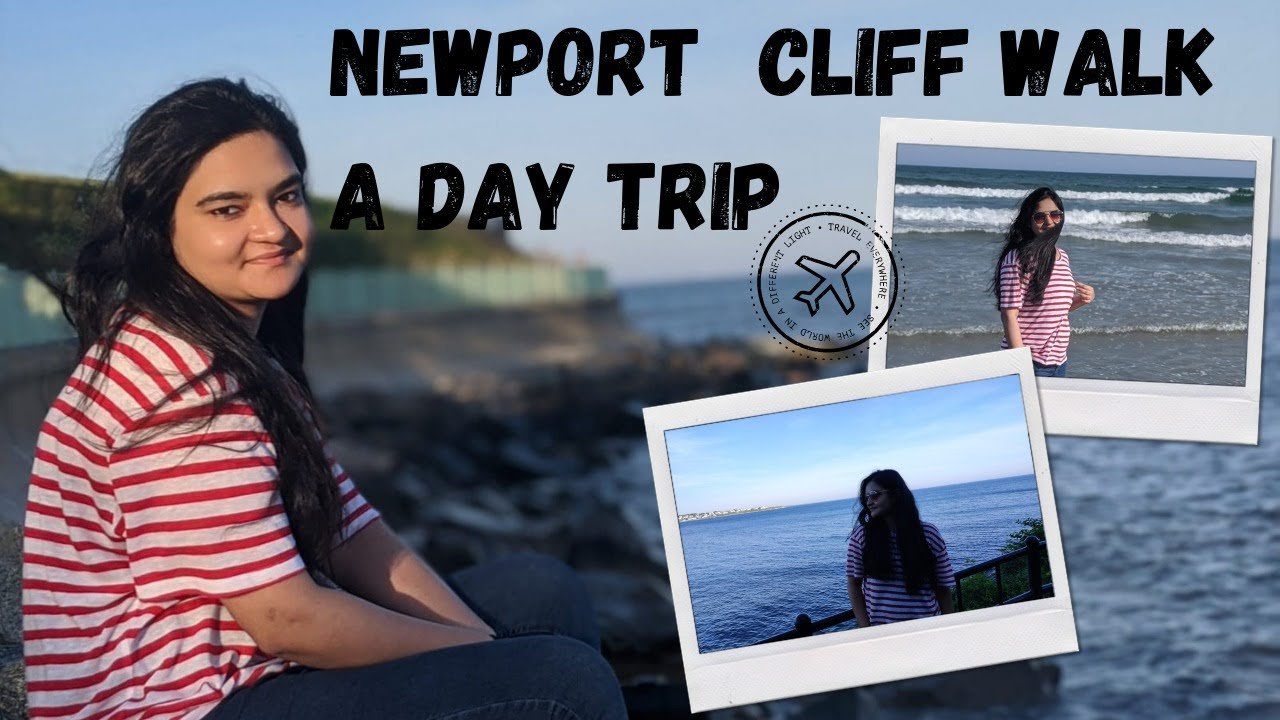
Introduction to the Cliff Walk in Rhode Island
The Cliff Walk in Rhode Island is a scenic and picturesque path that spans 3.5 miles along the coastline of Newport. It offers breathtaking views of the Atlantic Ocean, historic mansions, and stunning landscapes. The Cliff Walk has become a popular destination for locals and tourists alike, attracting thousands of visitors each year. However, with its popularity comes the need to address various issues, one of which is picnicking on the trail.
Overview of Picnicking Regulations on the Cliff Walk
The Rhode Island Department of Environmental Management (RIDEM) has established regulations regarding picnicking on the Cliff Walk. According to these regulations, picnicking is generally not allowed on the trail. The Cliff Walk is primarily intended for walking, hiking, and enjoying the natural beauty of the area. There are designated picnic areas nearby that provide a suitable alternative for those who wish to enjoy a meal while visiting the area.
Understanding the Importance of Preserving the Cliff Walk
Preserving the natural beauty and integrity of the Cliff Walk is of utmost importance. The trail is not only a significant attraction for tourists but also a habitat for various species of plants and animals. It serves as a crucial ecological corridor, enabling the movement and survival of wildlife in the area. Therefore, any activities that can potentially harm this delicate ecosystem, such as picnicking, need to be carefully considered.
Examining the Potential Ecological Impacts of Picnicking
Picnicking on the Cliff Walk can have adverse effects on the surrounding environment. Carelessly discarded food waste can attract wildlife, disrupt their natural feeding patterns, and potentially cause harm to their health. Moreover, trampling of vegetation, soil erosion, and disturbance of nesting areas are other potential ecological impacts that can result from picnicking. These impacts can disrupt the delicate balance of the ecosystem and compromise the biodiversity of the area.
Assessing Safety Concerns on the Cliff Walk
The safety of visitors is a top priority when considering picnicking on the Cliff Walk. The path itself is narrow and uneven in certain areas, with steep drops and rocky terrain. This makes it unsuitable for setting up picnic blankets or carrying picnic equipment. Additionally, the proximity to the edge of the cliff poses a significant risk, especially for those who may be distracted while enjoying their meal. Safety concerns, therefore, warrant the prohibition of picnicking on the trail.
Evaluating the Impact of Picnicking on Visitor Experience
While picnicking can enhance the overall visitor experience, allowing it on the Cliff Walk may negatively impact the experience for others. The trail’s narrowness and limited space make it challenging to accommodate large groups of people enjoying picnics. This can lead to congestion, noise pollution, and potential conflicts among visitors. By restricting picnicking, the enjoyment of the Cliff Walk for all visitors can be ensured.
Delving into Legal Restrictions and Permits for Picnicking
In addition to RIDEM regulations, there are legal restrictions on picnicking on the Cliff Walk. The area is part of the Newport Historic District, and any alterations or activities that may impact its historic and natural features require permits. This includes picnicking, as it can potentially harm the integrity of the historic landscape. Obtaining permits for picnicking is a complex process that involves demonstrating the intent to minimize environmental and historical impacts.
Historical Significance of the Cliff Walk and Its Preservation
The Cliff Walk holds immense historical significance, as it passes by many of Newport’s iconic Gilded Age mansions. It provides a glimpse into the opulent lifestyle of the late 19th and early 20th centuries. Preserving the Cliff Walk not only protects the natural environment but also ensures the continuation of this historical legacy for future generations. By restricting picnicking, the cultural and historical integrity of the area can be better maintained.
Exploring Alternatives to Picnicking on the Cliff Walk
While picnicking may not be allowed on the Cliff Walk, there are alternative options for visitors who wish to enjoy a meal in the area. Nearby parks, such as Easton’s Beach and Brenton Point State Park, offer designated picnic areas with facilities and amenities. These locations provide a picturesque setting where visitors can still enjoy their meals while appreciating the beauty of Rhode Island’s coastal scenery.
Collaborative Efforts to Maintain the Cliff Walk’s Integrity
Preserving and maintaining the integrity of the Cliff Walk requires collaborative efforts from various stakeholders. Organizations such as RIDEM, local authorities, conservation groups, and community members work together to implement regulations, conduct regular maintenance, and educate visitors about the importance of adhering to the rules. These collaborative efforts aim to strike a balance between promoting responsible enjoyment of the trail and preserving its natural and historical significance.
Public Opinion and Controversies Surrounding Picnicking
Public opinion regarding picnicking on the Cliff Walk varies. Some argue that picnicking should be allowed as it enhances the overall experience for visitors, while others emphasize the importance of preserving the ecological and historical integrity of the area. Controversies arise due to conflicting interests and the need to strike a balance between enjoyment and conservation. Engaging in a dialogue and considering all perspectives is crucial to finding a middle ground that satisfies both visitors and preservation efforts.
Conclusion: A Balanced Approach to Picnicking on the Cliff Walk
In conclusion, while picnicking on the Cliff Walk in Rhode Island is generally not permissible, this restriction serves to protect and preserve the natural environment, ensure visitor safety, and maintain the historical integrity of the area. By exploring alternative picnic locations nearby and promoting collaborative efforts to maintain the trail’s integrity, a balanced approach can be achieved. Ultimately, this approach allows visitors to appreciate the beauty of the Cliff Walk while safeguarding its ecological, historical, and cultural significance for present and future generations.