Introduction to Hummingbirds in Rhode Island
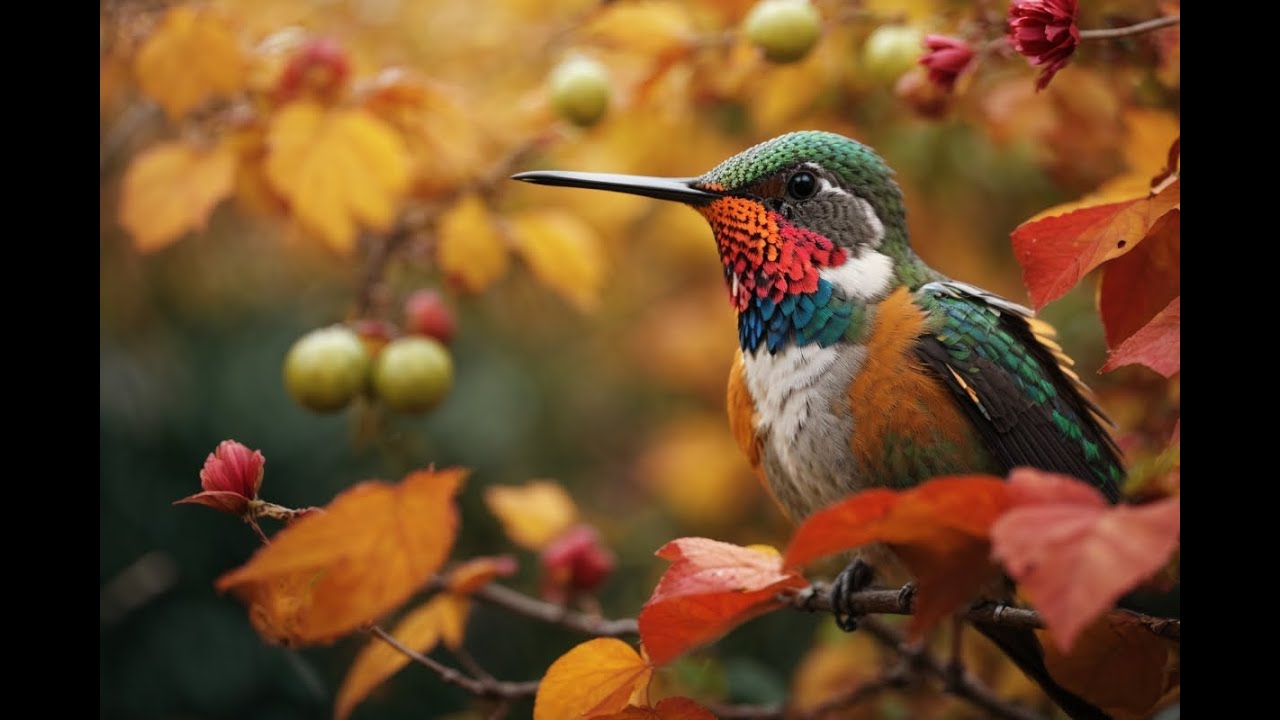
Hummingbirds, known for their vibrant colors and rapid wing beats, are a sight to behold. These tiny birds have captured the fascination of bird enthusiasts and nature lovers alike. Rhode Island, a coastal state in the United States, is no exception to the allure of these breathtaking creatures. In this article, we will explore the arrival time of hummingbirds in Rhode Island, shedding light on their migration patterns, factors affecting their arrival, and recommended locations to spot them.
Understanding the Migration Patterns of Hummingbirds
Hummingbirds are migratory birds, traveling long distances to find suitable breeding grounds. These small birds embark on an incredible journey, covering thousands of miles. The migration of hummingbirds follows a predictable pattern, with some species arriving in Rhode Island during specific months. Understanding these patterns is crucial in determining when to expect their arrival.
Factors Affecting the Arrival Time of Hummingbirds
Several factors influence the arrival time of hummingbirds in Rhode Island. One of the main factors is the distance they need to travel from their wintering grounds. The longer the journey, the later they will arrive. Additionally, weather conditions, food availability, and breeding instincts play significant roles in determining when hummingbirds will arrive in Rhode Island.
Climate and Its Impact on Hummingbird Arrival
The climate of Rhode Island plays a critical role in determining when hummingbirds will arrive. As a coastal state, Rhode Island experiences a moderate climate, with warm summers and cold winters. Hummingbirds typically prefer mild temperatures, avoiding extreme cold or heat. Therefore, they tend to migrate to Rhode Island during the spring and summer months when temperatures are ideal for their breeding and feeding activities.
The Role of Food Availability in Hummingbird Arrival
Food availability is a crucial factor in attracting hummingbirds to Rhode Island. These birds rely on nectar as their primary source of energy, consuming up to half their body weight in nectar daily. The blooming of flowers and the availability of nectar-rich plants determine the timing of their arrival. Late frosts or a delayed bloom of flowers can significantly impact the availability of food and delay the arrival of hummingbirds.
Observations from Previous Years’ Hummingbird Sightings
Previous years’ observations provide valuable insights into the arrival time of hummingbirds in Rhode Island. Through citizen science initiatives and birdwatching communities, data has been collected to track the arrival patterns of hummingbirds. These observations help establish a timeline and provide a basis for predicting when hummingbirds will arrive in Rhode Island.
Predictions for This Year’s Hummingbird Arrival
Based on historical data and observations, predictions can be made for this year’s hummingbird arrival in Rhode Island. Factors such as weather patterns, food availability, and migration patterns of previous years can be taken into account to estimate when hummingbirds will arrive. While predictions may not be exact, they provide a general timeframe for birdwatchers and nature enthusiasts to anticipate the arrival.
Common Hummingbird Species in Rhode Island
Rhode Island is home to several species of hummingbirds, each with its own unique characteristics. The most common species found in Rhode Island include the Ruby-throated Hummingbird, Rufous Hummingbird, and Calliope Hummingbird. These species vary in size, coloring, and migration patterns, adding to the diversity of hummingbird sightings in Rhode Island.
Recommended Locations to Spot Hummingbirds in Rhode Island
Rhode Island offers a variety of locations where hummingbirds can be spotted. Nature reserves, botanical gardens, and parks with abundant flowers are ideal habitats for these tiny birds. Some recommended locations to spot hummingbirds in Rhode Island include Colt State Park, Norman Bird Sanctuary, and Blithewold Mansion, Gardens & Arboretum. These locations provide a serene environment and an opportunity to witness the beauty of hummingbirds up close.
Best Time of Day to Observe Hummingbirds in Rhode Island
The best time of day to observe hummingbirds in Rhode Island is typically early morning or late afternoon. During these times, hummingbirds are most active, feeding on nectar and engaging in courtship displays. By being patient and observant during these hours, birdwatchers increase their chances of catching a glimpse of these magnificent creatures.
How to Attract Hummingbirds to Your Garden in Rhode Island
To attract hummingbirds to your garden in Rhode Island, creating a welcoming environment is crucial. Planting nectar-rich flowers such as bee balm, cardinal flower, and trumpet vine will entice hummingbirds to visit. Providing a consistent source of fresh nectar through feeders is also essential, especially during periods when natural food sources may be scarce.
Conservation Efforts to Protect Hummingbirds in Rhode Island
Conservation efforts are vital to protect hummingbirds in Rhode Island. By preserving their habitats, promoting the planting of native flowers, and reducing pesticide use, we can create a safe environment for these birds to thrive. Additionally, educating the public about the importance of hummingbirds and their conservation needs is crucial in ensuring their long-term survival in Rhode Island.