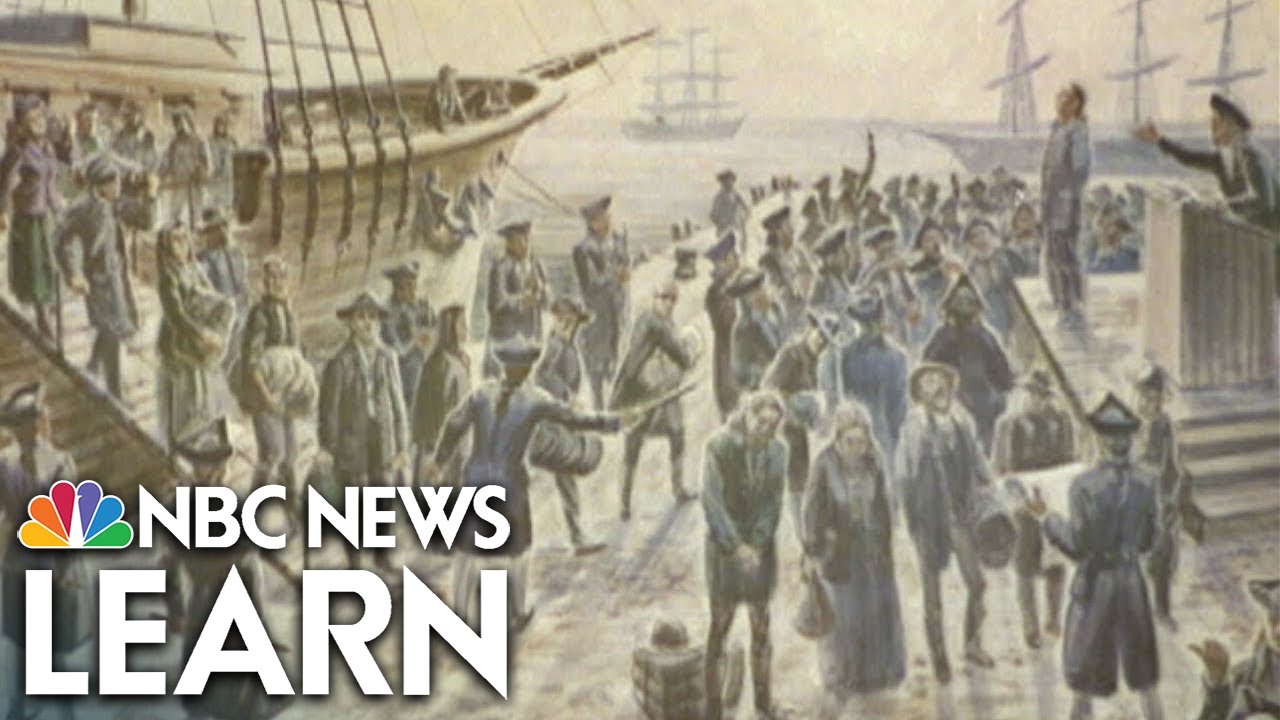
Introduction to Indentured Servants in Rhode Island
Indentured servitude was a common labor system in colonial America, including the state of Rhode Island. In this system, individuals would agree to work for a specified period of time, usually between four to seven years, in exchange for transportation to the New World, food, clothing, and shelter. While indentured servitude was not as prevalent in Rhode Island as in other colonies like Virginia or Maryland, it still played a significant role in shaping the economic and social landscape in the region.
Origins and History of Indentured Servitude
The practice of indentured servitude has its roots in medieval Europe, where it was used as a means to facilitate migration to the colonies. The system gained prominence in the 17th century, as the demand for labor in the expanding American colonies increased. Many individuals from England, Scotland, Ireland, and other European countries sought a better life in the New World and chose to become indentured servants to secure their passage across the Atlantic.
Indentured Servitude in Colonial America
Indentured servitude was a vital labor source in the American colonies, particularly during the 17th and 18th centuries. The system provided a solution for the shortage of labor caused by the growth of cash crops, such as tobacco and rice. Indentured servants performed a wide range of tasks, from working on plantations and farms to serving as apprentices in skilled trades. They were legally bound to their masters and had few rights or freedoms during their period of servitude.
Demographic Profile of Rhode Island in the Colonial Era
Rhode Island, founded in 1636 by Roger Williams, was a unique colony characterized by its religious tolerance and strong maritime economy. Although some indentured servants were present in Rhode Island, the colony had a smaller population compared to its neighboring colonies like Massachusetts or Connecticut. The majority of the population consisted of farmers, artisans, and seafarers. The economy of Rhode Island was heavily reliant on maritime trade, with shipbuilding and fishing being major industries.
The Role of Indentured Servants in Rhode Island
Indentured servants in Rhode Island primarily worked in agriculture, domestic service, and skilled trades. Many farmers relied on indentured servants to help cultivate crops, particularly in the production of foodstuffs like corn, wheat, and barley. The household tasks of cleaning, cooking, and caring for children were often assigned to indentured servants. Additionally, skilled trades such as blacksmithing, carpentry, and tailoring would also utilize indentured labor.
Economic Factors and the Demand for Indentured Servants
The demand for indentured servants in Rhode Island was influenced by several economic factors. The growth of the plantation economy in the southern colonies created a demand for labor, and Rhode Island, as a trading hub, often served as a transit point for indentured servants destined for other colonies. The expansion of industries like shipbuilding and fishing also required a steady supply of labor. Furthermore, the availability of cheap and abundant land encouraged the use of indentured servants in agriculture.
Recruitment and Transportation of Indentured Servants
Indentured servants were recruited through various means in Rhode Island. Brokers, known as "spirits," often operated in port cities and would arrange for the transportation of individuals from Europe to America. Agents in Europe would advertise the benefits of indentured servitude, enticing individuals with promises of land, employment, and a fresh start. Once in Rhode Island, servants were sold to masters, who would be responsible for their care and supervision throughout their term of service.
Living Conditions and Treatment of Indentured Servants in Rhode Island
The living conditions of indentured servants in Rhode Island varied depending on their masters and the nature of their work. Some servants lived in the homes of their masters, while others were housed in separate quarters or communal dwellings. The treatment of servants also varied, with some experiencing fair treatment and others enduring harsh conditions and mistreatment. Servants were subject to strict rules and regulations and faced consequences if they violated the terms of their indenture.
Legal Rights and Limitations of Indentured Servants
Indentured servants in Rhode Island had limited legal rights and protections. They were bound by a contract, or indenture, which defined the terms of their service. These contracts were enforceable in court, and servants could face additional time added to their term of service for various offenses. However, they were entitled to some basic provisions, such as food, clothing, and shelter, as well as medical care. Some servants were able to negotiate for additional benefits, such as the promise of land or an education upon completing their indenture.
Indentured Servitude vs. Slavery in Rhode Island
While indentured servitude was prevalent in Rhode Island, it was not as widespread as slavery. Slavery began to take hold in the late 17th century, particularly in the southern colonies, where the labor-intensive cash crop plantations demanded a continuous and readily available workforce. Rhode Island, with its smaller agricultural sector, relied less on slavery and more on indentured servitude. However, as the demand for labor increased over time, Rhode Island also saw an increase in the number of enslaved individuals.
Transition from Indentured Servitude to Free Labor in Rhode Island
The transition from indentured servitude to free labor in Rhode Island was gradual and influenced by several factors. As the colony developed economically, more opportunities for independent employment emerged. The growth of industries like manufacturing and commerce provided alternatives to indentured labor. Additionally, changes in labor laws and increased demand for skilled workers allowed former servants to enter into paid employment or establish themselves as independent artisans.
Legacy and Impact of Indentured Servitude in Rhode Island
Indentured servitude left a lasting impact on Rhode Island’s history and culture. It contributed to the growth of the colony’s economy and provided a source of labor for various industries. The system also facilitated the migration of individuals to the New World, including many who would go on to play influential roles in shaping the future of Rhode Island. The legacy of indentured servitude is a reminder of the complex and multifaceted nature of labor systems in colonial America and their enduring effects on society.