Introduction: Comparing the Size of Barred Rock and Rhode Island Red Eggs
Barred Rock and Rhode Island Red are two popular breeds of chickens known for their egg-laying capabilities. One common question among consumers and poultry farmers is whether the size of their eggs differs. In this article, we will delve into the characteristics of Barred Rock and Rhode Island Red eggs, explore the factors that influence egg size in each breed, analyze research findings on egg size, discuss the importance of egg size for consumers and producers, and provide considerations for choosing the right egg size for consumption.
Understanding the Characteristics of Barred Rock Eggs
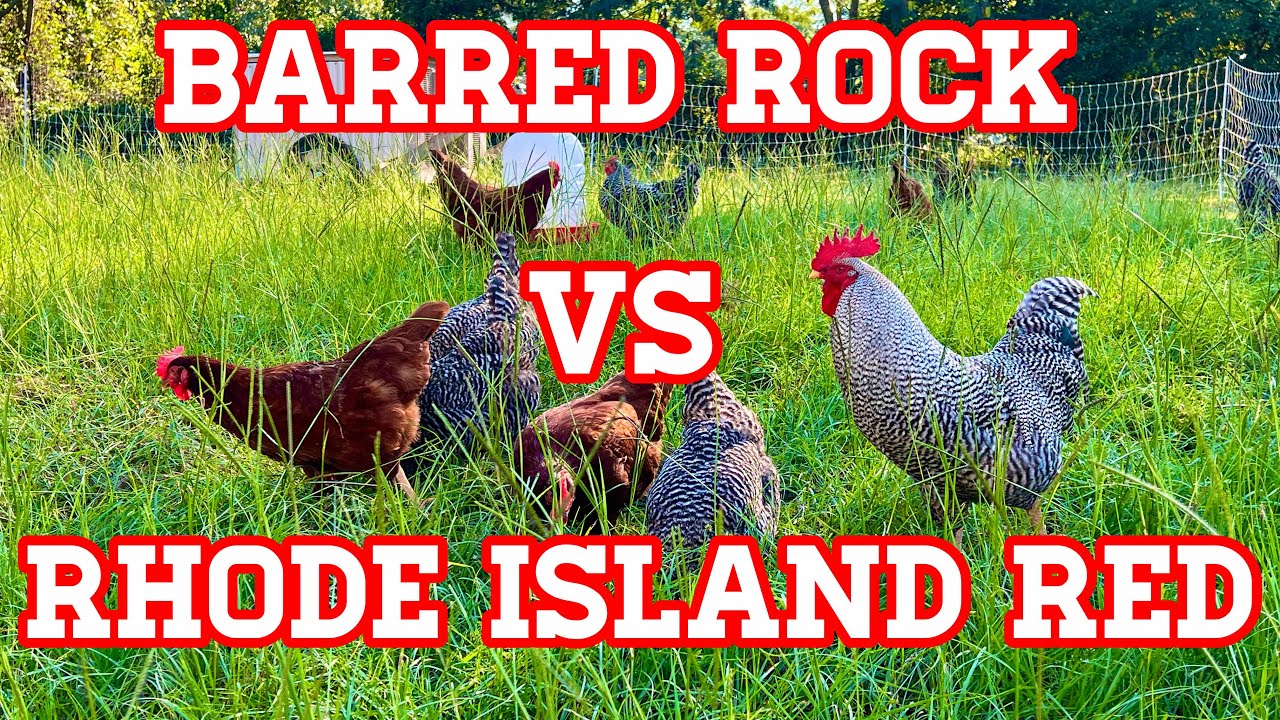
Barred Rock chickens are known for their black and white striped feather pattern and their ability to lay large brown eggs. These eggs are typically medium to large in size, averaging around 2.25 to 2.5 ounces. Barred Rock hens are reliable layers, producing approximately 200 to 280 eggs per year. The shell of the eggs is sturdy and thick, offering excellent protection for the developing embryo inside.
Examining the Characteristics of Rhode Island Red Eggs
Rhode Island Red chickens, on the other hand, are renowned for their deep mahogany-colored feathers and their reputation as excellent egg-layers. Rhode Island Red eggs are generally medium-sized, weighing around 2 to 2.25 ounces. These hens are prolific layers, producing approximately 200 to 300 eggs per year. The shells of their eggs are typically brown, similar to those of Barred Rock chickens, but slightly lighter in color.
Factors Influencing Egg Size in Barred Rock Chickens
Several factors can influence the size of Barred Rock eggs. One crucial aspect is genetics. Some Barred Rock lines have been selectively bred for larger egg production, resulting in larger eggs. Age also plays a role, as younger hens tend to lay smaller eggs initially, which gradually increase in size as they mature. Nutrition is another critical factor, as a well-balanced feed that includes sufficient protein and calcium can contribute to larger egg size in Barred Rocks.
Factors Influencing Egg Size in Rhode Island Red Chickens
Similar to Barred Rock chickens, genetics, age, and nutrition significantly impact the size of Rhode Island Red eggs. Selective breeding within the Rhode Island Red breed can lead to variations in egg size. Younger hens tend to lay smaller eggs at first, but as they age, the eggs increase in size. Adequate nutrition, particularly protein and calcium intake, is vital for maximizing the egg size potential in Rhode Island Reds.
Comparative Analysis: Barred Rock vs Rhode Island Red Egg Size
When comparing the size of Barred Rock and Rhode Island Red eggs, both breeds generally produce medium-sized eggs. Barred Rock eggs tend to be slightly larger, with an average weight of 2.25 to 2.5 ounces, while Rhode Island Red eggs average around 2 to 2.25 ounces. However, it is worth noting that individual variations within each breed can lead to slightly larger or smaller eggs.
Research Findings on Barred Rock and Rhode Island Red Egg Size
Research on egg size in Barred Rock and Rhode Island Red chickens has provided valuable insights. Studies have shown that while Barred Rock eggs tend to be slightly larger on average, the difference in size is not significant. Factors such as genetics, age, and nutrition have been found to be more influential in determining egg size than the breed itself. It is essential to consider these factors when aiming to achieve optimal egg size in both breeds.
Importance of Egg Size for Consumers and Producers
Egg size holds significant importance for both consumers and producers. For consumers, egg size can impact cooking and baking outcomes. Recipes often call for specific sized eggs, and using eggs of the wrong size can affect the desired texture and consistency of dishes. Producers, on the other hand, need to consider consumer preferences. Some consumers prefer larger eggs, while others prefer smaller ones. Understanding these preferences is crucial for meeting market demands and ensuring consumer satisfaction.
Factors to Consider when Choosing Egg Size for Consumption
When choosing the right egg size for consumption, several factors come into play. Cooking and baking requirements are essential considerations. Some recipes may benefit from larger eggs, while others may require smaller ones. Personal preferences, such as taste and texture, also influence the choice. It is worth experimenting with different egg sizes to find the size that best suits individual preferences and culinary needs.
Economic Implications of Barred Rock and Rhode Island Red Egg Size
From an economic perspective, egg size can impact both producers and consumers. Larger eggs often command a premium price due to the perception of higher quality and value. Producers can capitalize on this by selectively breeding for larger egg size when there is a market demand for such eggs. Conversely, smaller eggs can be marketed as a cost-effective option, appealing to price-conscious consumers. Understanding the economic implications of egg size can help both producers and consumers make informed decisions.
Conclusion: The Verdict on Barred Rock vs Rhode Island Red Egg Size
In conclusion, while Barred Rock eggs tend to be slightly larger than Rhode Island Red eggs on average, the difference in size is not substantial. Both breeds produce medium-sized eggs, with variations depending on genetics, age, and nutrition. Research suggests that these factors have a more significant impact on egg size than the specific breed itself. Ultimately, personal preferences, cooking requirements, and market demands should guide the choice of egg size.
Final Thoughts: Considerations for Egg Production and Consumer Preferences
When it comes to egg production and consumption, it is essential to consider various factors beyond just size. Factors such as egg quality, taste, shell thickness, and yolk color play significant roles in both producers’ and consumers’ decision-making processes. Understanding these factors and meeting consumer preferences can contribute to a successful and satisfying egg production venture or a delightful culinary experience for consumers.