
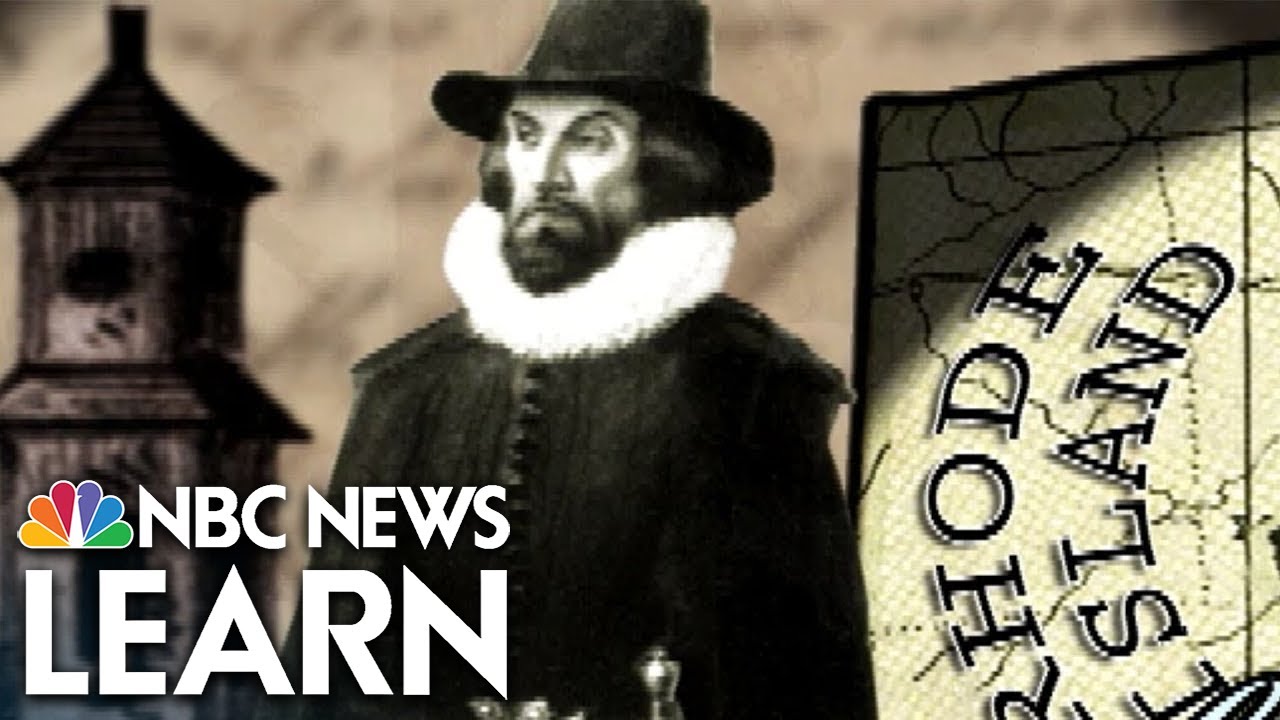
Introduction: Founding of Rhode Island
Rhode Island, one of the thirteen original colonies of the United States, holds a significant place in American history. This vibrant state, known for its beautiful coastline and rich cultural heritage, was founded on a specific date that marks the beginning of its journey. In this article, we will explore the founding of Rhode Island and the events that led to its establishment as a separate entity.
Early Settlements in Rhode Island
Before Rhode Island became an official colony, the land was inhabited by Native American tribes such as the Narragansetts and the Wampanoags. European settlers arrived in the region in the early 17th century, establishing several small settlements. Towns like Providence, Newport, and Warwick were among the first to emerge, attracting settlers with their fertile land and potential for trade and commerce.
Background of Rhode Island’s Founding
The founding of Rhode Island can be traced back to the religious and political tensions of the time. Many settlers who arrived in the New World sought religious freedom, but the strict Puritan rule in neighboring Massachusetts Bay Colony proved to be stifling for some. As dissenters sought refuge from religious persecution, they began to migrate to the more tolerant region that is now Rhode Island.
The Search for Religious Freedom
Religious freedom was a driving force behind the establishment of Rhode Island. Dissenters, including Baptists, Quakers, and individuals with differing religious beliefs, sought solace in a place where they could practice their faith without fear of persecution. Rhode Island’s reputation as a safe haven for religious tolerance and freedom began to attract like-minded individuals from various colonies.
Roger Williams and His Role
The name most closely associated with Rhode Island’s founding is that of Roger Williams. Williams, a Puritan minister, arrived in the region in 1636. He advocated for the separation of church and state and believed in the fair treatment of Native Americans. His ideas and principles laid the groundwork for the establishment of Rhode Island as a place where religious freedom and equality were valued.
Charter of Rhode Island
The Charter of Rhode Island, also known as the Royal Charter of 1663, played a crucial role in the colony’s founding. It was granted by King Charles II of England, officially recognizing Rhode Island as a separate colony and providing the inhabitants with certain rights and privileges. The charter emphasized religious freedom and self-governance, solidifying the colony’s unique identity.
Establishment of Providence Plantations
Providence Plantations, which later became the capital city of Rhode Island, was established by Roger Williams and his followers. The settlement was founded in 1636, and its name reflected the group’s belief in the biblical concept of a "plantation" or a place of refuge. Providence Plantations became the central hub for the colony’s growth and development.
Official Founding of Rhode Island
The official founding date of Rhode Island is May 29, 1636, when Roger Williams and his followers established the settlement. This date marks the beginning of Rhode Island’s journey as an independent colony, separate from the rule of Massachusetts Bay Colony. It is a significant milestone in the state’s history and is celebrated as the founding day.
Key Events on the Founding Date
On May 29, 1636, Roger Williams and his followers purchased land from the Narragansett tribe, marking the establishment of Providence Plantations. This act of negotiation and cooperation with the Native Americans set a precedent for future relations with indigenous peoples. The founding of Providence Plantations also marked the start of a thriving community that would eventually become the state of Rhode Island.
Rhode Island’s Founding Fathers
The founding of Rhode Island involved the efforts and contributions of several individuals. In addition to Roger Williams, other notable figures include Anne Hutchinson, William Coddington, and John Clarke. These individuals played significant roles in the establishment of Rhode Island, promoting religious freedom, and contributing to the development of its democratic ideals.
Significance of Rhode Island’s Founding
The founding of Rhode Island holds immense significance in the history of the United States. It represents a unique experiment in religious freedom and tolerance during a time when such ideas were scarce. Rhode Island’s founding set the precedent for the separation of church and state, becoming a shining example to future generations about the importance of freedom of religion and individual rights.
Conclusion: Legacy of Rhode Island’s Founding
The legacy of Rhode Island’s founding is one of religious freedom, independence, and democratic principles. The establishment of the colony provided a haven for those seeking refuge from religious persecution, laying the foundation for a society that valued individual rights and mutual respect. Rhode Island’s commitment to religious freedom and tolerance continues to shape its identity and sets an example for the nation as a whole.


