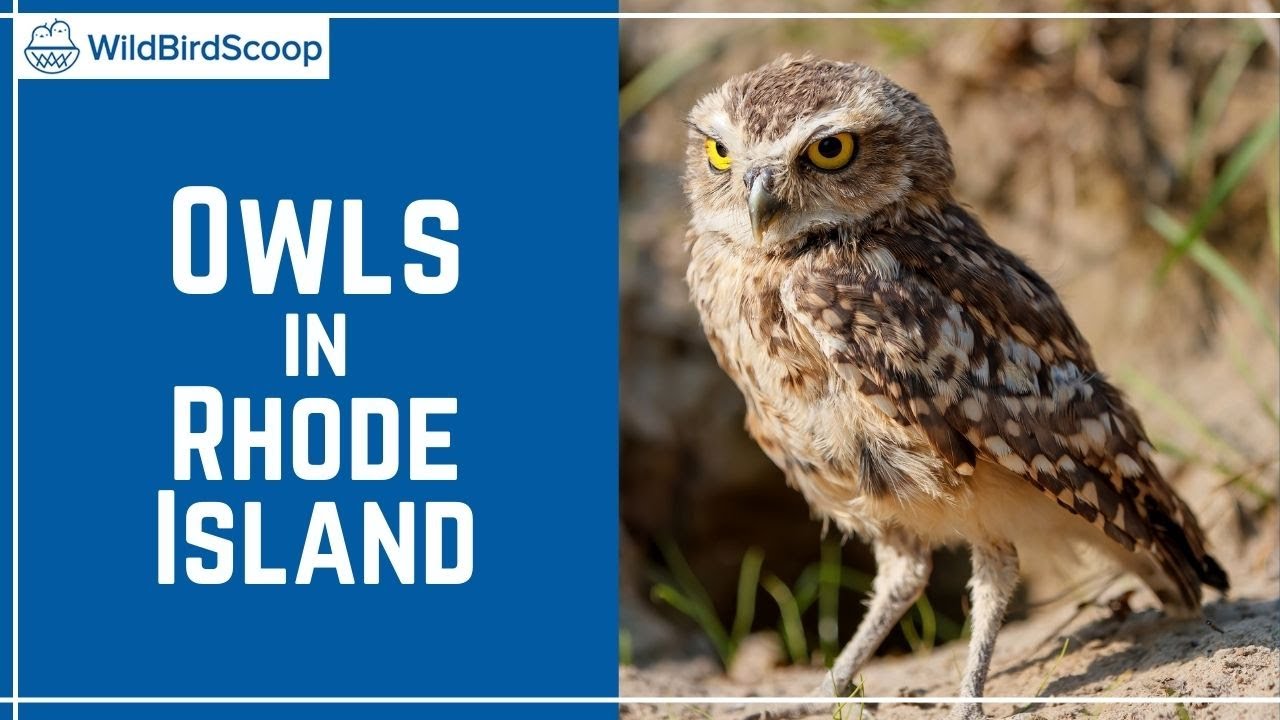
Introduction to Owls in Rhode Island
Owls, with their distinctive appearance and elusive nature, have long fascinated humans. Rhode Island, the smallest state in the United States, is home to a variety of wildlife, including several species of owls. These nocturnal birds of prey have adapted to the diverse habitats found in the state, making Rhode Island an important region for owl populations.
Importance of Studying Owl Populations
Studying owl populations in Rhode Island provides valuable insights into the health of the state’s ecosystems. As top predators, owls play a critical role in maintaining balanced populations of their prey species. By understanding owl populations, scientists can gain a better understanding of the overall environmental health of Rhode Island.
Owl Species Found in Rhode Island
Rhode Island is home to several species of owls, including the Eastern Screech-Owl, Barred Owl, Great Horned Owl, and Northern Saw-whet Owl. Each species has its own unique characteristics, ranging from the small and elusive Northern Saw-whet Owl to the large and powerful Great Horned Owl.
Habitat Requirements of Rhode Island Owls
Different owl species have specific habitat requirements. For example, the Eastern Screech-Owl prefers woodlands and suburban areas with mature trees, while the Barred Owl can be found in wetlands and swampy areas. Great Horned Owls are more versatile and can adapt to a wide range of habitats, including forests, fields, and even urban areas.
Distribution of Owls in Rhode Island
Owls are distributed throughout Rhode Island, with some species being more common in certain regions. The Eastern Screech-Owl, for instance, can be found statewide, while the Great Horned Owl is more prevalent in the western part of the state. Barred Owls are commonly spotted in the southern coastal areas, and the elusive Northern Saw-whet Owl is found in scattered locations across the state.
Factors Affecting Owl Populations in Rhode Island
Several factors can affect owl populations in Rhode Island. Habitat loss due to urbanization and deforestation can significantly impact owl populations by reducing suitable nesting sites and hunting grounds. Pollution, including pesticides and chemicals, can also have negative effects on owl populations. Climate change and the resulting shifts in prey availability can further impact owl populations in the state.
Migration Patterns of Rhode Island Owls
While some owl species in Rhode Island are year-round residents, others, such as the Northern Saw-whet Owl, are migratory. These migratory owls travel long distances to breed and find suitable habitats. Understanding the migration patterns of Rhode Island owls is crucial for their conservation and protection.
Conservation Efforts for Rhode Island Owls
Conserving owl populations in Rhode Island is essential for maintaining biodiversity and ecosystem balance. Conservation efforts include protecting and restoring owl habitats, promoting public awareness and education about owls, and implementing measures to reduce the impact of human activities on owl populations. Collaborative efforts between government agencies, conservation organizations, and the public are vital for the long-term conservation of Rhode Island’s owls.
Common Misconceptions About Owls in Rhode Island
Despite their fascinating nature, owls are often subject to misconceptions. One common misconception is that all owls are nocturnal. While most owls are indeed active at night, some species, like the Eastern Screech-Owl, are crepuscular and can be seen during twilight hours. Another misconception is that owls are dangerous to humans. In reality, owls are generally harmless and play an essential role in controlling rodent populations.
Rhode Island Owls and their Prey
Owls in Rhode Island have a diverse diet, mainly consisting of small mammals like mice, voles, and rabbits. However, their diet can also include birds, reptiles, amphibians, and even insects. By preying on these animals, owls help to regulate their populations and maintain a healthy ecosystem balance.
Owls as Indicators of Environmental Health in Rhode Island
Owls serve as indicators of environmental health in Rhode Island. Their presence and abundance can reflect the availability of prey species and the overall quality of their habitats. Monitoring owl populations can provide valuable insights into the impacts of habitat degradation, climate change, and pollution on the health of Rhode Island’s ecosystems.
How to Spot and Report Owl Sightings in Rhode Island
If you are interested in spotting owls in Rhode Island, it is essential to respect their habitats and observe them from a reasonable distance. Owls can often be found near wooded areas, open fields, or wetlands. If you do spot an owl, you can report your sighting to local birding organizations or wildlife agencies. Your observations can contribute to ongoing research and conservation efforts focused on Rhode Island’s owls.


