
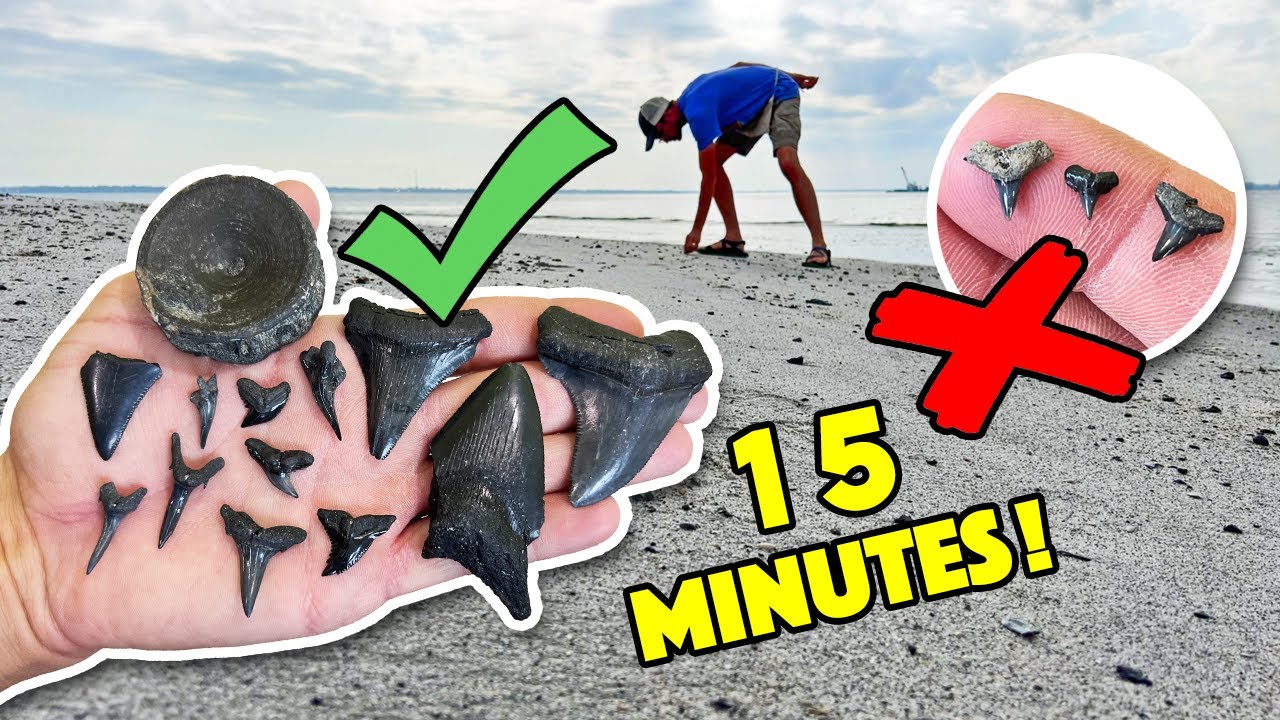
Introduction to Shark Teeth in Rhode Island
Rhode Island, known for its picturesque coastline and rich marine life, is a popular destination for beachgoers and nature enthusiasts alike. One intriguing aspect of the state’s coastal waters is the presence of shark teeth. While sharks are commonly associated with warmer waters, many may wonder if these formidable creatures can be found in Rhode Island. This article delves into the subject of shark teeth in Rhode Island, exploring their diversity, presence in the fossil record, how to identify them, and the ongoing efforts to study and conserve these ancient treasures.
The Diversity of Shark Species in Rhode Island Waters
Rhode Island’s coastal waters are home to a diverse range of shark species. While some sharks, such as the great white, are transient visitors, others are more commonly found in these waters. Species such as the sandbar shark, smooth dogfish, and spiny dogfish are known to frequent Rhode Island’s coastal areas. Each species possesses unique characteristics, including variations in tooth morphology, enabling them to adapt to their specific ecological niche.
Fossil Records: Evidence of Ancient Sharks in Rhode Island
Rhode Island’s geological history reveals a remarkable record of ancient sharks. Fossilized shark teeth, dating back millions of years, offer a glimpse into the prehistoric marine life that once thrived in the region. These fossil records provide valuable insights into the ancient ecosystems and the evolution of shark species over time.
Identifying Shark Teeth: How to Distinguish Them from Other Fossils
Distinguishing shark teeth from other fossils can be a fascinating endeavor. Shark teeth have distinct characteristics that set them apart. Unlike most other fossils, shark teeth are composed of enamel, making them more resistant to degradation and decay. Their unique shapes, such as triangular or serrated edges, further aid in identification. Understanding these distinguishing features is crucial for enthusiasts and researchers alike.
Shark Teeth Sightings: Reports and Anecdotal Evidence
Rhode Island’s coastal residents and visitors often encounter shark teeth while exploring the beaches. Numerous reports and anecdotal evidence support the presence of shark teeth in the area. Beachcombers have found shark teeth washed ashore or embedded in shells, providing exciting glimpses into the marine diversity of the region.
Scientific Studies: Researching Shark Populations in Rhode Island
Scientists and researchers have conducted extensive studies on shark populations in Rhode Island’s coastal waters. These studies aim to better understand the behavior, distribution, and abundance of shark species in the region. By utilizing various techniques, including tagging and tracking, genetic analysis, and visual surveys, researchers strive to gather data that contributes to the conservation and management of sharks in Rhode Island.
Common Shark Species Found in Rhode Island Coastal Areas
Several shark species are commonly found in Rhode Island’s coastal areas. The sandbar shark, also known as the brown shark, is a frequent visitor, often seen near sandy beaches and estuaries. The smooth dogfish, named for its sleek skin, is another common shark species in Rhode Island waters. Additionally, the spiny dogfish, recognized for its spiky dorsal fin, is prevalent in these coastal areas. These species, among others, contribute to the diverse ecosystem of Rhode Island’s waters.
Environmental Factors Influencing Shark Teeth Presence in Rhode Island
The presence of shark teeth in Rhode Island is influenced by various environmental factors. Water temperature, prey availability, and ocean currents play pivotal roles in determining the presence and distribution of shark species. Rhode Island’s unique geography and proximity to the Gulf Stream contribute to the diversity and abundance of sharks in its coastal waters.
Shark Teeth Conservation Efforts in Rhode Island
Recognizing the ecological importance of sharks and their teeth, conservation efforts are underway in Rhode Island. These initiatives aim to protect and preserve shark populations, ensuring the long-term sustainability of these magnificent creatures. Collaborative research, public awareness campaigns, and the implementation of responsible fishing practices help conserve the delicate balance of marine ecosystems in Rhode Island.
Collecting Shark Teeth: Legality and Regulations in Rhode Island
Collecting shark teeth has become a popular hobby, attracting enthusiasts to Rhode Island’s beaches. However, it is essential to be mindful of the legality and regulations governing this activity. Rhode Island imposes restrictions on the collection of fossils, including shark teeth, in certain protected areas. It is crucial for collectors to familiarize themselves with these regulations and obtain necessary permits to ensure their activities align with conservation efforts.
Popular Locations for Shark Tooth Hunting in Rhode Island
Rhode Island’s numerous beaches offer ample opportunities for shark tooth hunting. Popular locations include Misquamicut State Beach, Scarborough State Beach, and Easton’s Beach. These beaches, with their diverse marine ecosystems and strong currents, often yield a treasure trove of shark teeth. Beachcombers and fossil enthusiasts can explore these areas and enjoy the thrill of discovering these ancient relics.
Conclusion: The Presence of Shark Teeth in Rhode Island
Despite its temperate waters, Rhode Island boasts a rich diversity of shark species, evidenced by the presence of shark teeth. Fossil records provide a glimpse into the ancient marine life that once flourished in the region. Ongoing scientific studies, coupled with conservation efforts, ensure the protection and preservation of these magnificent creatures. As enthusiasts and researchers explore Rhode Island’s coastal areas, they continue to uncover the hidden treasures left behind by these ancient apex predators.


