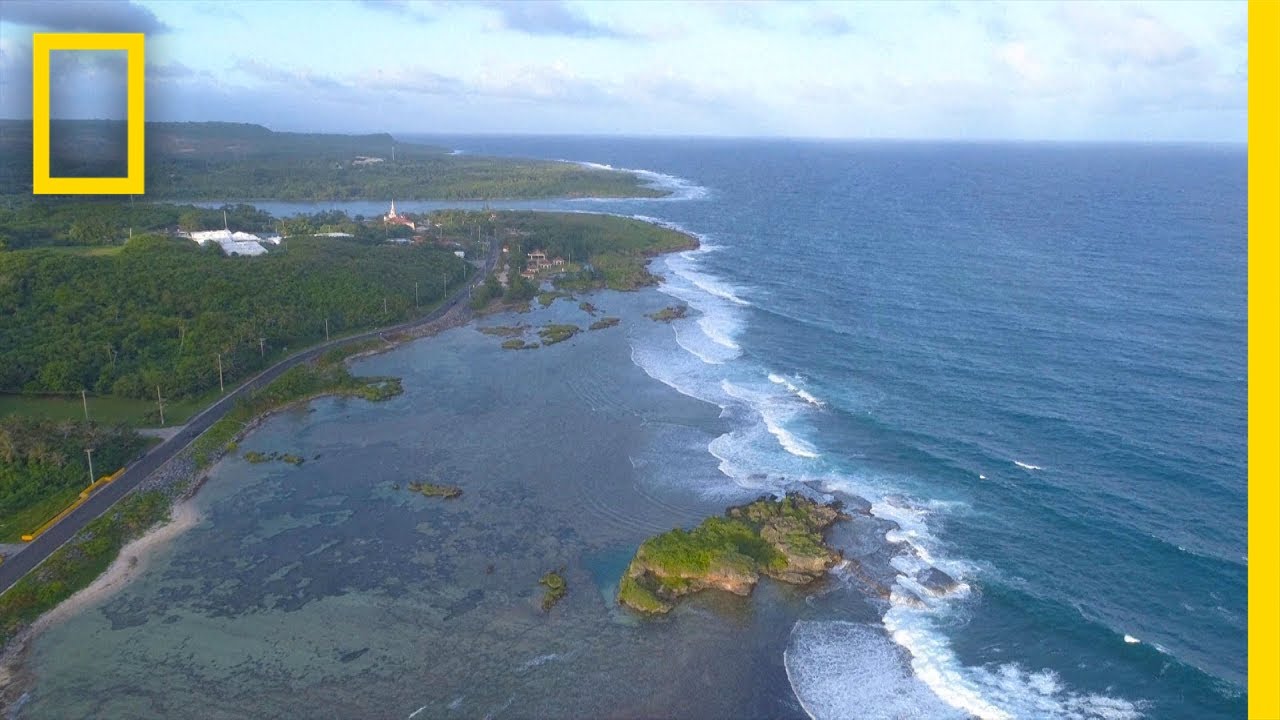
Introduction: Comparing the Sizes of Guam and Rhode Island
Guam and Rhode Island are two regions in the United States that are often compared due to their similar sizes. However, when examining their geographical features, land areas, population densities, topography, and impact on the economy, it becomes clear that there are significant differences between these two regions.
Geographical Overview: Understanding the Size of Guam
Guam is an unincorporated territory of the United States located in the western Pacific Ocean. It is the largest and southernmost island in the Mariana Islands archipelago. With a total area of approximately 210 square miles, Guam is relatively small compared to other U.S. states. Despite its size, the island possesses a unique cultural diversity and serves as a strategic U.S. military outpost.
Geographical Overview: Understanding the Size of Rhode Island
Rhode Island, on the other hand, is the smallest state in the United States by land area. Located in the New England region, it is bordered by Connecticut, Massachusetts, and the Atlantic Ocean. Rhode Island covers an area of approximately 1,034 square miles, making it significantly larger than Guam. Its compact size allows for easy accessibility to all parts of the state, contributing to its reputation as the "Ocean State."
Land Area: Analyzing the Size of Guam
Guam’s land area is relatively small when compared to other U.S. regions. Its 210 square miles consist of a main island and smaller surrounding islands. Despite its limited size, Guam has diverse landscapes, including sandy beaches, coral reefs, and lush mountains. This geographical diversity attracts tourists and provides opportunities for various economic activities such as tourism, agriculture, and fishing.
Land Area: Analyzing the Size of Rhode Island
Rhode Island, although the smallest state, has a considerably larger land area compared to Guam. Its 1,034 square miles encompass diverse landscapes such as coastal areas, forests, and urban centers. This larger land area provides more space for agriculture, industries, and residential areas. Rhode Island’s size allows for the development of a variety of economic sectors, including manufacturing, healthcare, and education.
Population Density: Examining Guam’s Size in Relation to Population
Due to its small land area, Guam has a relatively high population density. With a population of approximately 170,000 people, the island’s population is concentrated within its limited space. This high population density results in crowded urban areas and limited room for expansion. It also poses challenges for infrastructure development and resource management.
Population Density: Examining Rhode Island’s Size in Relation to Population
Rhode Island, despite its larger land area, has a comparable population density to Guam. With a population of around 1.1 million people, the state’s residents are concentrated in its urban centers and coastal areas. This population density allows for efficient public services, transportation networks, and access to amenities. However, it also presents challenges such as traffic congestion and limited open spaces.
Topography: Understanding the Terrain of Guam
Guam’s topography is characterized by rugged volcanic peaks, coral reefs, and sandy beaches. The island’s highest point is Mount Lamlam, standing at 1,332 feet above sea level. The volcanic nature of Guam’s terrain has shaped its landscape and offers opportunities for outdoor activities such as hiking and snorkeling. The island’s diverse topography contributes to its appeal as a tourist destination.
Topography: Understanding the Terrain of Rhode Island
Rhode Island’s topography is varied, featuring rolling hills, coastal plains, and numerous islands. The state’s highest point is Jerimoth Hill, reaching an elevation of 812 feet. The diverse topography of Rhode Island contributes to its scenic beauty and recreational opportunities. The coastline, dotted with picturesque harbors and beaches, attracts tourists and supports industries such as fishing and tourism.
Economy: Analyzing how Guam’s Size Impacts its Economy
The small size of Guam presents both advantages and challenges for its economy. Despite limitations in land area, Guam benefits from its strategic location in the Pacific and its status as a U.S. military hub. The island’s economy is primarily driven by tourism, the military presence, and construction. The limited space for agriculture and industries necessitates imports, making Guam’s economy heavily reliant on external resources.
Economy: Analyzing how Rhode Island’s Size Impacts its Economy
Rhode Island’s larger size provides more opportunities for economic diversification compared to Guam. The state’s economy is characterized by a mix of industries such as healthcare, education, manufacturing, and finance. Rhode Island’s location along the northeastern coast allows for easy access to international markets. The larger land area also enables the state to develop infrastructure and support a more self-sustaining economy.
Conclusion: Summing up the Comparison of Guam and Rhode Island Sizes
In conclusion, while Guam and Rhode Island are similar in size, there are significant differences in their geographical features, land areas, population densities, topography, and impact on the economy. Guam’s smaller land area and high population density pose challenges for development, while Rhode Island’s larger size allows for more economic diversification and infrastructure development. Despite their differences, both regions offer unique attractions and contribute to the cultural and economic fabric of the United States.