Tinted Car Windows in Rhode Island
Tinted car windows have become increasingly popular among vehicle owners in Rhode Island. While tinted windows offer various benefits, such as heat reduction and enhanced privacy, it is essential to understand the legal restrictions surrounding them. This article aims to provide a comprehensive overview of the laws and regulations pertaining to tinted car windows in Rhode Island, ensuring that car owners can make informed decisions while staying within the bounds of the law.
Understanding the Law in Rhode Island
Rhode Island has specific laws in place regarding the use of tinted windows on vehicles. These laws are intended to maintain driver and passenger safety, as well as ensure clear visibility for law enforcement officers. It is essential for car owners to familiarize themselves with these laws to prevent potential legal consequences.
Legal Limits for Tinted Car Windows
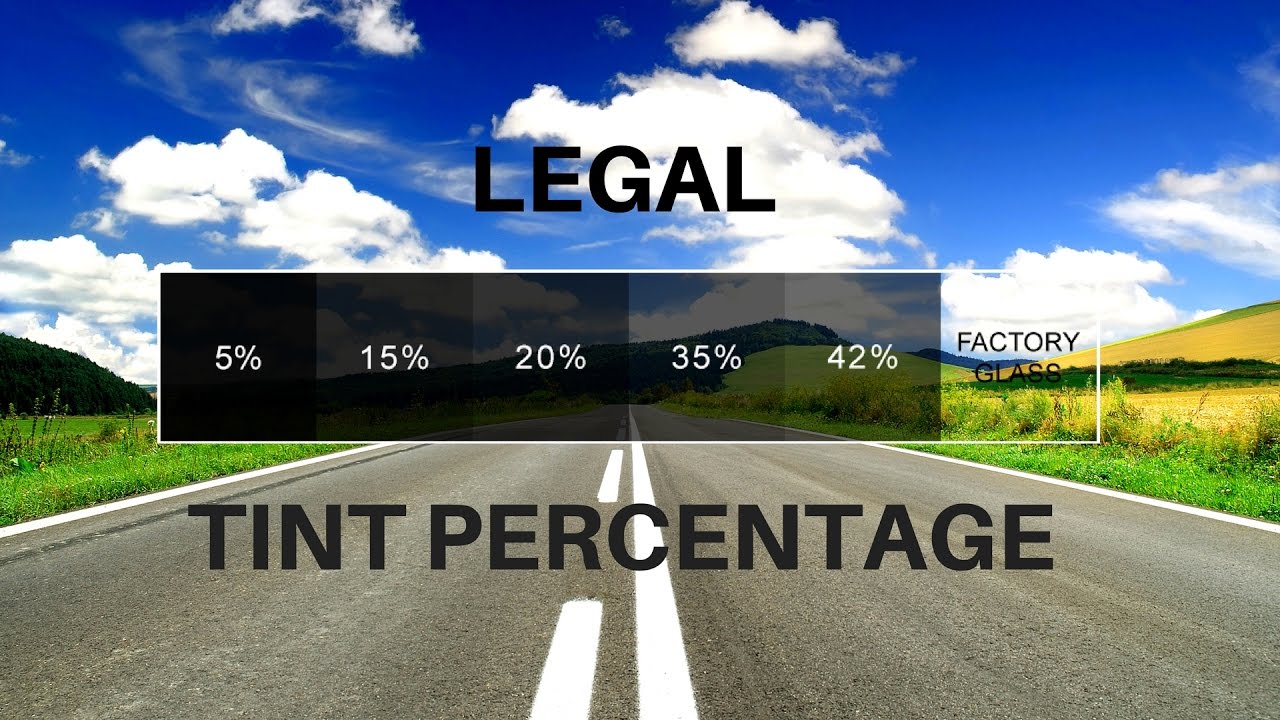
The law in Rhode Island stipulates that car windows must allow a certain amount of light to penetrate into the vehicle. This requirement is measured in terms of Visible Light Transmission (VLT) percentage. VLT refers to the amount of visible light that can pass through the window, with lower percentages indicating darker and less transparent windows.
The Importance of Compliance
Complying with the tinted window laws in Rhode Island is crucial for several reasons. Firstly, adhering to these laws ensures the safety of both the driver and passengers by maintaining clear visibility in various driving conditions. Additionally, compliance allows law enforcement officers to properly identify and monitor vehicles on the road.
Potential Penalties for Noncompliance
Failure to comply with the tinted window laws in Rhode Island may lead to penalties and fines. Noncompliant vehicles may be subjected to traffic stops, citations, or in extreme cases, even impoundment. It is important to understand the potential consequences of noncompliance to avoid any unnecessary legal issues.
Exceptions to the Tinted Window Law
Rhode Island law does provide exceptions to the tinted window regulations. Certain types of vehicles, such as limousines and ambulances, are permitted to have darker tinted windows due to their specific purposes. However, even in such cases, there are still limitations and guidelines that must be followed to ensure compliance with the law.
Medical Exemptions and Required Documentation
In some situations, individuals with specific medical conditions may be eligible for exemptions to the tinted window laws. However, these exemptions require proper documentation from a licensed medical professional. It is crucial for individuals seeking medical exemptions to understand the necessary steps and requirements to ensure compliance.
Evaluating Visible Light Transmission (VLT)
To determine compliance with the tinted window regulations, car owners must evaluate the VLT of their windows. This can be done using specialized equipment that measures the amount of light passing through the window. Understanding the VLT percentage is essential for car owners to ensure their tinted windows meet legal requirements.
Approved Tint Darkness Levels in Rhode Island
Rhode Island law specifies the maximum allowable levels of tint darkness for different windows of a vehicle. The law distinguishes between front, rear, and side windows, each with its own permissible VLT percentage. By adhering to these prescribed darkness levels, car owners can ensure their tinted windows meet the legal requirements in Rhode Island.
Obtaining Legal Tinted Windows in Rhode Island
To ensure compliance with the tinted window laws in Rhode Island, it is advisable to obtain tinted windows from reputable sources. Vehicles should be equipped with tinted windows that meet or exceed the state’s standards for VLT percentage and darkness levels. Working with authorized car service providers or certified technicians can help car owners navigate the process of obtaining legally compliant tinted windows.
Regular Inspections and Compliance Checks
Rhode Island law enforcement agencies regularly conduct inspections and compliance checks to ensure vehicles meet the necessary standards. During these checks, officers may evaluate the level of window tint darkness and VLT percentage. Car owners must be prepared to present the required documentation and evidence of compliance during these inspections.
Staying Informed: Updates and Changes
It is essential for car owners in Rhode Island to stay informed about any updates or changes to the tinted window laws. Regulations and requirements may be subject to revisions over time, necessitating the need for car owners to stay up to date. Monitoring official government websites or seeking guidance from authorized sources can help car owners ensure continued compliance with the law.