Introduction: Founding of the Rhode Island Colony
The establishment of the Rhode Island Colony in the early 17th century was driven by the quest for religious freedom. As the Puritans sought to create a society based on their strict religious principles, dissenters and those who criticized their beliefs faced persecution and exclusion. Rhode Island became a refuge for these religious outcasts, offering a haven where they could practice their faith freely without fear of persecution. The colony’s founding was not only a response to religious intolerance, but it also played a significant role in shaping the principles of religious freedom that would become a bedrock of American society.
The Search for Religious Freedom in England
In the early 17th century, England was embroiled in religious turmoil. The Church of England, which separated from the Roman Catholic Church during the reign of King Henry VIII, imposed its own religious practices on its subjects. However, many dissenters, such as the Puritans, believed that the Church of England had not gone far enough in its reforms. These dissenters faced persecution and were often forced to conform to the established religious practices or face severe penalties. In search of freedom to practice their faith according to their own beliefs, many dissenters set their sights on the New World.
Roger Williams: A Dissenter and His Beliefs
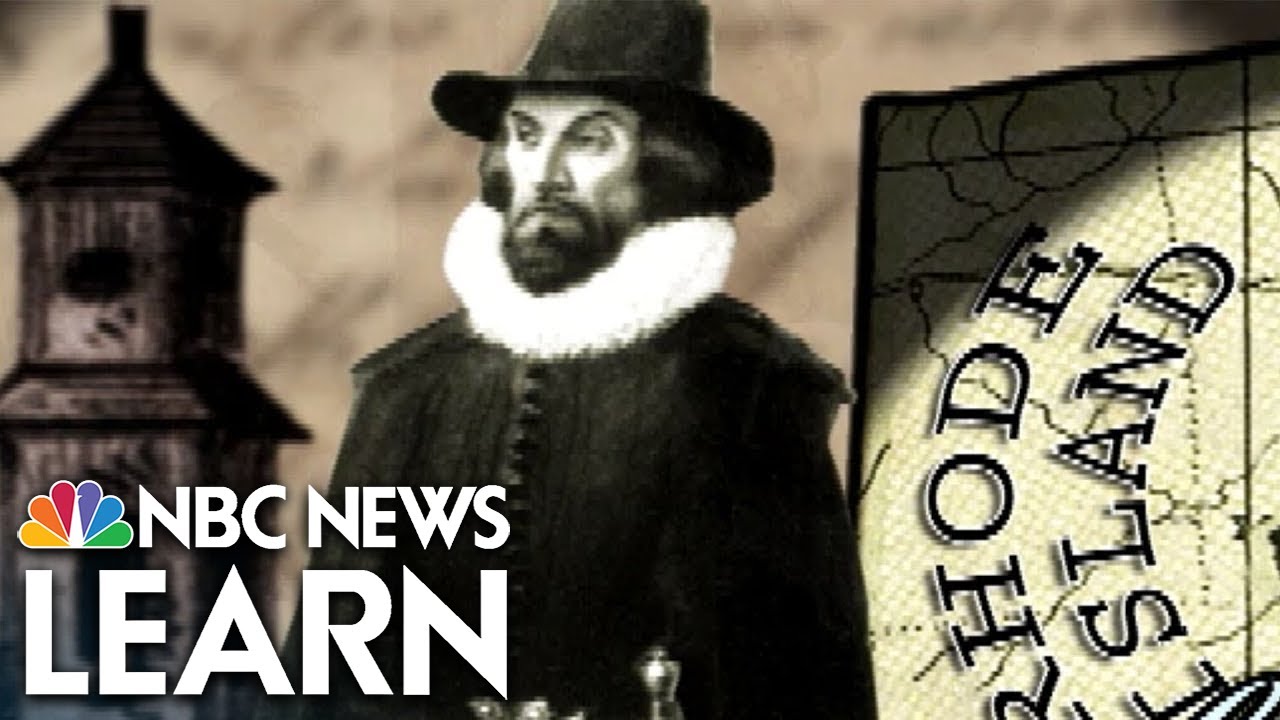
At the heart of the establishment of the Rhode Island Colony was the dissenting minister Roger Williams. Williams, a Puritan minister, believed in the separation of church and state and held controversial views on religious tolerance. He argued that the English settlers had no rightful claim to the land occupied by Native Americans and that religious freedom was a fundamental right that should be protected. Williams’ dissenting beliefs and outspoken nature would ultimately lead to his banishment from the Massachusetts Bay Colony and set in motion the events that would lead to the founding of Rhode Island.
Williams’ Banishment from Massachusetts Bay
In 1635, Roger Williams was banished from the Massachusetts Bay Colony for challenging the colony’s religious and political authority. His views on religious freedom and his criticisms of the Puritan leaders were seen as a threat to the established order. Williams sought refuge among the Native American tribes, who provided him shelter during the harsh New England winter. This experience further solidified his belief in the need for a colony where individuals could practice their faith without interference from the state.
Seeking a Haven for Religious Outcasts
After his banishment, Roger Williams began to gather followers who shared his beliefs in religious freedom and the separation of church and state. Together, they set out to establish a settlement that would provide a haven for religious outcasts. In 1636, Williams and his followers founded Providence Plantations, which would later become the capital of Rhode Island. This new settlement offered a place where individuals of various religious backgrounds could coexist peacefully, free from persecution.
The Genesis of Providence Plantations
Providence Plantations, the precursor to the Rhode Island Colony, was founded on the principles of religious freedom and tolerance. Unlike other colonies in New England, Providence Plantations did not have an established church or religious authority. Instead, it recognized the rights of individuals to practice their faith as they saw fit. This commitment to religious freedom attracted dissenters from other colonies, contributing to the growth and diversity of the settlement.
The Charter of Rhode Island and Providence Plantations
In 1663, Rhode Island and Providence Plantations received a royal charter from King Charles II. The charter granted the colony a high degree of self-government and affirmed the principles of religious freedom and tolerance. Unlike other colonies, Rhode Island allowed individuals of all faiths to hold public office and participate in the colony’s political affairs, regardless of their religious beliefs. This unique approach to governance set Rhode Island apart and solidified its reputation as a bastion of religious freedom.
Government and Religious Tolerance in Rhode Island
Rhode Island embraced a unique form of government that emphasized religious tolerance and individual liberties. The colony’s government was elected by the people, and power was decentralized, with individual towns having considerable autonomy. This system allowed for diverse religious communities to coexist peacefully, with each community having the freedom to practice its own beliefs without interference or persecution from the state. This commitment to religious tolerance laid the foundation for the modern concept of separation of church and state.
Economic and Social Development in the Colony
The Rhode Island Colony experienced significant economic and social development in its early years. The colony thrived through trade, with its coastal location providing access to lucrative fishing and maritime activities. The residents also engaged in agriculture, producing crops such as corn and tobacco. The colony’s commitment to religious freedom attracted a diverse population, including Quakers, Jews, and Baptists, who made significant contributions to the economic and social fabric of the colony.
Impacts on Native American Populations
The establishment of the Rhode Island Colony had significant impacts on the Native American populations in the region. Unlike other colonies, Rhode Island sought to establish fair and equitable relationships with the Native American tribes. Roger Williams believed in purchasing land from the Native Americans rather than seizing it by force. This approach fostered a more peaceful coexistence and facilitated trade and cultural exchange between the colonists and the Native American tribes.
Rhode Island’s Legacy of Religious Freedom
The Rhode Island Colony’s commitment to religious freedom and tolerance left a lasting impact on American society. Rhode Island’s principles of religious liberty were enshrined in its charter and served as an inspiration for the concept of religious freedom in the United States Constitution. The colony’s legacy can be seen in the First Amendment, which guarantees the freedom of religion for all Americans. Rhode Island’s founding principles continue to shape the nation’s understanding of religious freedom and have left an indelible mark on American history.
Conclusion: The Enduring Significance of Rhode Island Colony
The establishment of the Rhode Island Colony was a response to the religious intolerance faced by dissenters in early 17th century England. The colony became a refuge for those seeking religious freedom and offered a haven where individuals could practice their faith without fear of persecution. Rhode Island’s commitment to religious tolerance and its legacy of religious freedom continue to resonate today, as its principles have shaped the nation’s understanding of individual liberties and the separation of church and state. The establishment of the Rhode Island Colony stands as a testament to the enduring significance of the pursuit of religious freedom in American history.