Rhode Island Bars Closed: A Look into the State’s Measures
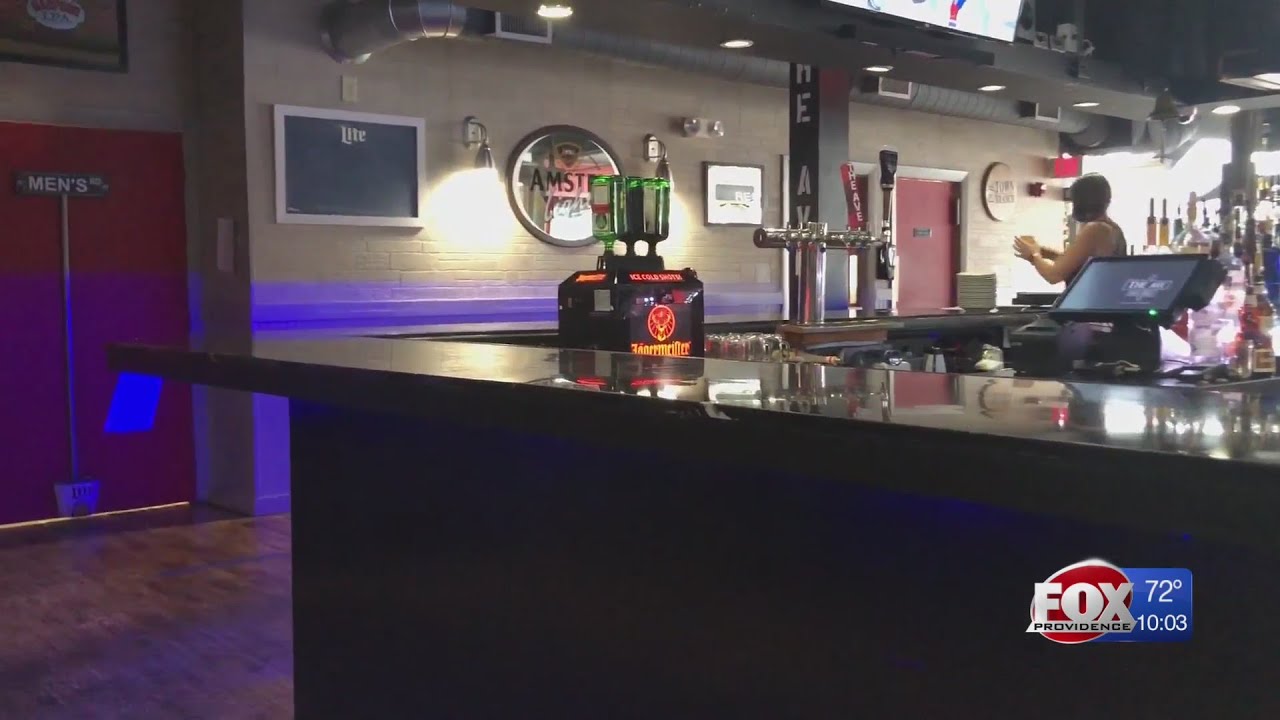
Rhode Island, like many other states in the United States, has implemented measures to control the spread of COVID-19. One of the measures taken by the state government was the closure of bars. In this article, we will explore the reasons behind the decision, its impact on the economy, public health concerns, and the potential reopening plans for Rhode Island bars.
Understanding Rhode Island’s Bar Closure Policies
Rhode Island’s bar closure policies were introduced as part of the state’s efforts to combat the COVID-19 pandemic. These policies involved the temporary closure of all bars in the state to limit social gatherings and reduce opportunities for the virus to spread. The closure policies were put in place to protect public health and ensure the safety of Rhode Island residents.
Government Orders: Shutting Down Rhode Island Bars
The closure of Rhode Island bars was implemented through government orders issued by state officials. These orders mandated the temporary closure of all bars in the state, effective from a specific date. The government orders were a response to the increasing number of COVID-19 cases in Rhode Island and the need to control the spread of the virus.
Impact of Bar Closures on Rhode Island’s Economy
The closure of bars in Rhode Island had a significant impact on the state’s economy. Many bars were forced to temporarily lay off their staff or close down permanently, resulting in job losses and economic hardships for bar owners and employees. Additionally, the closure of bars affected suppliers and other businesses that relied on the bar industry, creating a ripple effect throughout the local economy.
Public Health Concerns Leading to Bar Closure Decisions
The decision to close Rhode Island bars was primarily driven by public health concerns. Bars are often crowded spaces where people gather closely, making it difficult to adhere to social distancing guidelines. Moreover, the consumption of alcohol may lead to reduced adherence to preventive measures, such as mask wearing and hand hygiene, increasing the risk of COVID-19 transmission.
Compliance and Enforcement: Rhode Island’s Approach
Rhode Island implemented various measures to ensure compliance with the bar closure orders. State officials worked closely with law enforcement agencies to monitor and enforce the closure policies. Inspections and penalties were imposed on establishments found to be violating the orders, emphasizing the importance of adherence to the restrictions.
Assessing the Effects of Bar Closures on COVID-19 Spread
The closure of bars in Rhode Island was expected to have a positive impact on reducing the spread of COVID-19. By limiting social gatherings in these high-risk environments, the state aimed to contain the transmission of the virus. Public health authorities closely monitored the data to assess the effects of the closures on the number of COVID-19 cases in Rhode Island.
Bar Closure Alternatives Considered by Rhode Island Officials
While the closure of bars was deemed necessary, Rhode Island officials also considered alternative measures to mitigate the risks associated with bar operations. Some of the alternatives explored included reduced capacity limits, implementing strict health and safety guidelines, and promoting outdoor dining options. However, due to the evolving nature of the pandemic, a temporary closure was ultimately deemed the most effective approach.
Potential Reopening Plans for Rhode Island Bars
As the COVID-19 situation evolves and vaccination rates increase, Rhode Island officials are exploring potential reopening plans for bars. These plans may involve a phased approach, with capacity limits, health and safety guidelines, and regular monitoring to ensure compliance. Reopening decisions will be based on public health data and guidance from experts.
Evaluating the Success of Rhode Island’s Bar Closure Strategy
The success of Rhode Island’s bar closure strategy will be evaluated based on various factors. These include the reduction in COVID-19 cases, hospitalizations, and deaths related to the virus. Additionally, economic indicators, such as job recovery and business re-openings, will be considered to assess the overall impact of the closure strategy on the state’s economy.
Public Opinion on Rhode Island’s Bar Closure Measures
Public opinion on Rhode Island’s bar closure measures has been divided. While some residents support the closures as necessary for public health and safety, others have expressed concerns about the economic impact and the potential for job losses. Public sentiment may vary depending on individual perspectives and experiences.
Future Outlook: Reopening Rhode Island’s Bars
The future outlook for reopening Rhode Island’s bars remains uncertain. It will depend on the progress made in controlling the spread of COVID-19, vaccination rates, and the guidance provided by public health authorities. As the situation continues to evolve, Rhode Island officials will work towards finding a balance between protecting public health and revitalizing the bar industry.