Introduction to the Ownership of Servals in Rhode Island
Owning exotic pets has become increasingly popular in recent years, with people seeking unique and captivating animals to care for. One such exotic pet that has gained attention is the serval, a wild cat native to Africa. However, before considering ownership, it is crucial to understand the legal framework, regulations, and potential risks associated with owning a serval in Rhode Island, as well as the ethical considerations involved.
Understanding the Legal Framework in Rhode Island
Rhode Island has specific laws and regulations concerning the ownership of exotic animals, including servals. The state classifies servals as "wild animals" rather than domesticated pets, which means they are subject to certain restrictions and licensing requirements. It is important to familiarize oneself with these regulations to ensure compliance and avoid legal consequences.
Regulations and Restrictions on Serval Ownership
In Rhode Island, individuals who wish to own a serval must obtain a special permit from the state’s Department of Environmental Management (DEM). This permit is required to keep any wild animal and ensures that the owner meets certain criteria. The DEM assesses factors such as the applicant’s experience, housing facilities, and ability to care for the animal before granting the permit.
Licensing and Permits Required for Serval Ownership
To obtain a serval ownership permit in Rhode Island, potential owners must submit an application to the DEM. The application process typically involves providing personal information, as well as details about the proposed housing and enrichment facilities for the serval. Following a thorough review, the DEM will determine whether the applicant meets the necessary requirements for ownership.
Health and Safety Concerns for Serval Owners
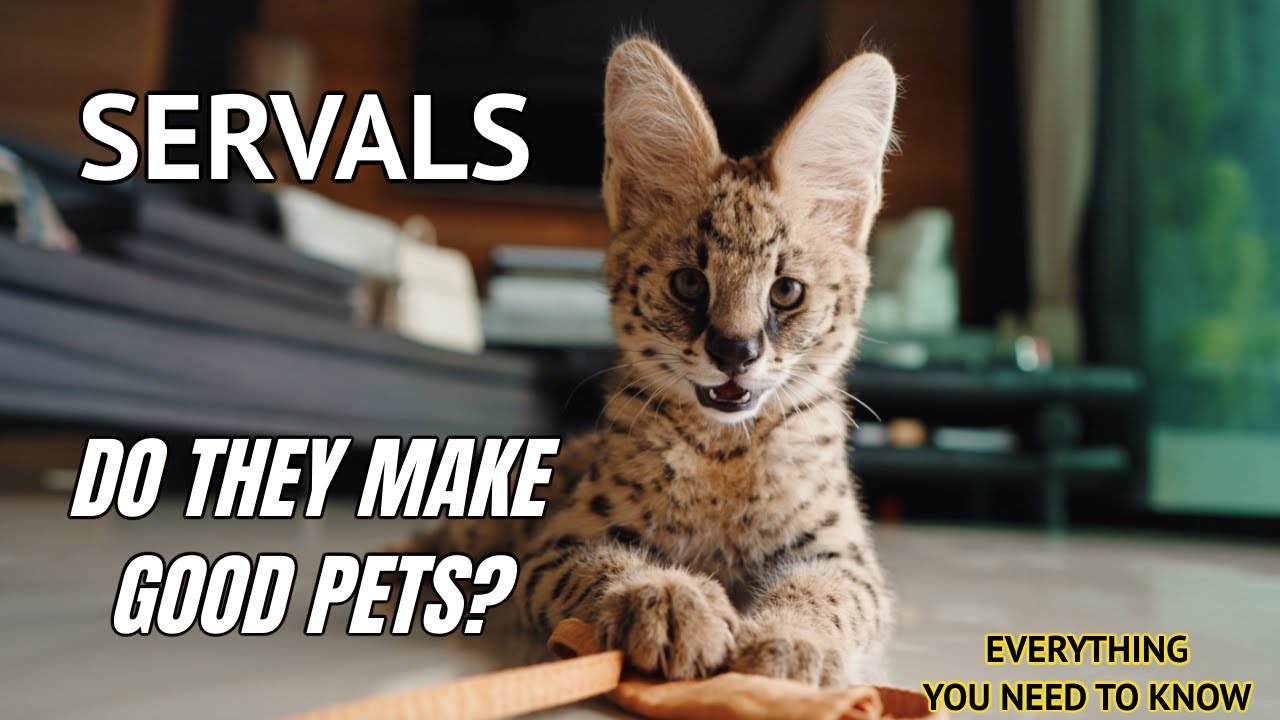
Owning a serval comes with potential health and safety concerns. Despite being exotic, servals retain many wild instincts and behaviors that can pose risks to both the owner and the animal. They have sharp claws, powerful jaws, and a strong predatory instinct. Owners must be prepared to invest time in training and socializing their serval to minimize potential risks and ensure the safety of both parties involved.
Housing and Enrichment Requirements for Servals
Servals require spacious and secure housing that allows them to exhibit natural behaviors. In Rhode Island, serval owners must provide appropriate enclosures that meet the state’s standards for safety and welfare. These enclosures should include features like climbing structures, hiding places, and outdoor access. Enrichment activities, such as toys and puzzles, should also be provided to keep the serval mentally stimulated.
Diet and Nutrition: Meeting the Serval’s Needs
Proper nutrition is essential for the health and well-being of a serval. These carnivorous animals require a diet primarily consisting of raw meat, such as rodents, poultry, and high-quality commercial raw food. It is crucial for owners to understand the specific dietary needs of servals and provide a balanced and varied menu to ensure their nutritional requirements are met.
Potential Risks of Owning a Serval in Rhode Island
While servals can make fascinating pets for some, there are inherent risks and challenges associated with their ownership. Their wild nature, strength, and predatory instincts can lead to unpredictable behaviors, potentially resulting in injury or property damage. Owners need to be aware of these risks and take appropriate precautions to minimize them.
Responsibly Acquiring a Serval: Breeder Guidelines
When considering owning a serval in Rhode Island, it is crucial to acquire the animal from a reputable and responsible breeder. Ethical breeders prioritize the welfare and conservation of servals, ensuring that their breeding practices are sustainable and do not contribute to the illegal wildlife trade. Prospective owners should thoroughly research breeders, visit their facilities, and inquire about their breeding practices before making a purchase.
Caring for a Serval: Veterinary Care and Vaccinations
Proper veterinary care is essential for the well-being of servals. Owners in Rhode Island must establish a relationship with a veterinarian experienced in caring for exotic animals, particularly servals. Regular check-ups, vaccinations, and preventive treatments are necessary to maintain the serval’s health. Owners should ensure that their chosen veterinarian has the necessary expertise and knowledge of exotic feline care.
Ethical Considerations: Conservation and Welfare
It is important to recognize the ethical considerations associated with owning a serval. These animals are native to Africa and play a vital role in their ecosystems. Their popularity as pets can contribute to the illegal wildlife trade and have detrimental effects on wild populations. Prospective owners must carefully consider the conservation and welfare implications before deciding to own a serval, ensuring that their actions do not compromise the well-being of these magnificent creatures.
Conclusion: Weighing the Pros and Cons of Serval Ownership
Owning a serval in Rhode Island is possible but comes with legal obligations, potential risks, and ethical considerations. Prospective owners must familiarize themselves with the state’s regulations, acquire the necessary permits, provide appropriate housing and enrichment, and understand the unique needs of servals. They should carefully consider the pros and cons of ownership, weighing the joy of having an exotic pet against the responsibility and potential challenges that come with it. By doing so, individuals can make an informed decision and ensure the welfare of both themselves and the serval.