
Introduction: The Rhode Island Red breed
The Rhode Island Red breed is a well-known and popular breed of chicken that has gained recognition for its versatility and adaptability. It is a breed that is highly regarded for its dual-purpose capabilities, making it a favorite among both commercial farmers and backyard flock owners. The Rhode Island Red is known for its excellent egg-laying abilities as well as its potential for meat production.
Defining dual-purpose breeds
Dual-purpose breeds are breeds of chickens that are bred and selected for both their egg-laying abilities and their meat production. These breeds are sought after by farmers and backyard flock owners who value a versatile and sustainable approach to poultry farming. Dual-purpose breeds are known for their ability to lay a respectable number of eggs while also producing high-quality meat.
Historical origins of the Rhode Island Red
The Rhode Island Red breed has a rich history that dates back to the mid-19th century. It was developed in the state of Rhode Island, United States, by crossing various breeds such as Malay, Shanghai, and Red Malay Game. The breed was initially created for its exceptional meat qualities, but over time, it became apparent that the Rhode Island Red also possessed excellent egg-laying abilities. These combined qualities led to the breed’s recognition as a dual-purpose breed.
Characteristics of the Rhode Island Red breed
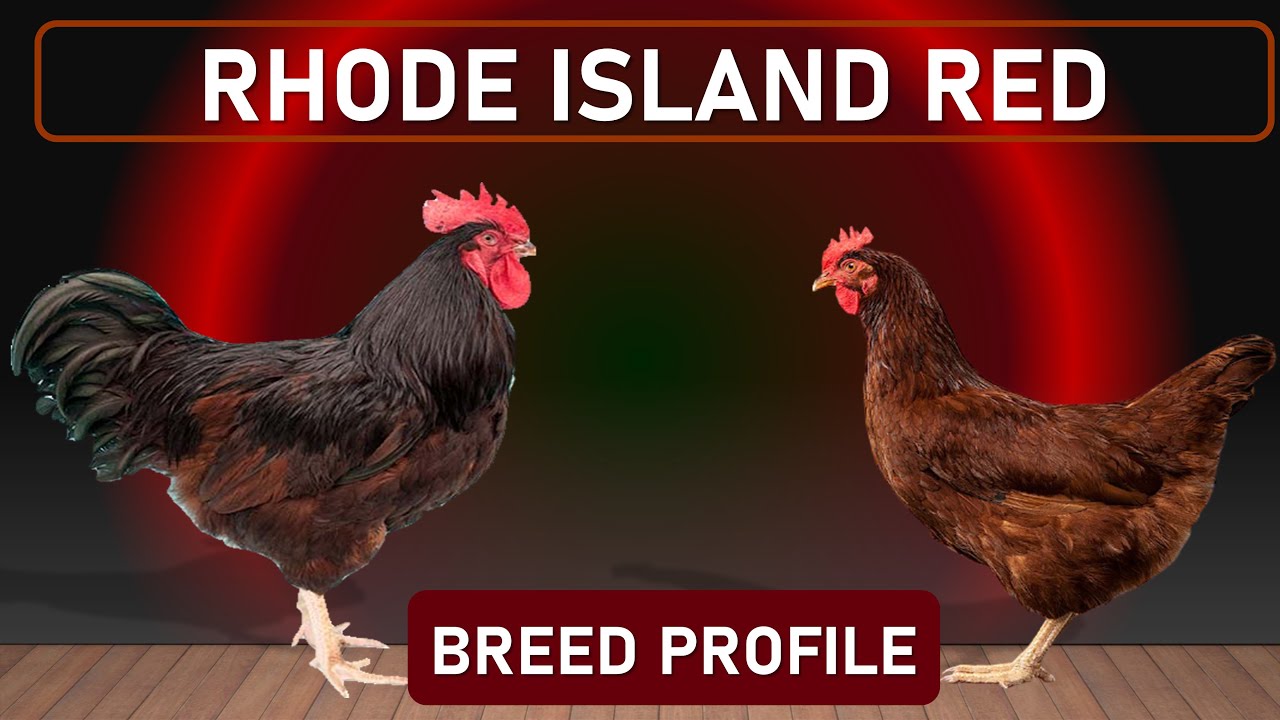
The Rhode Island Red is a medium to large-sized bird with a deep, sturdy body and a vibrant, rich red plumage. It has a single, well-developed comb and wattles, and its legs and beak are yellow. The breed has a docile and friendly temperament, making it a favorite among backyard flock owners. Rhode Island Reds are known for their hardiness, adaptability to various climates, and resilience to common poultry diseases.
Assessing the suitability for egg production
Rhode Island Reds are highly regarded for their egg-laying abilities. They are known to lay brown eggs of excellent quality and size, with an average production of around 200-300 eggs per year. The breed starts laying eggs at around 5-6 months of age and continues to lay consistently throughout their productive years. Their ability to lay a significant number of eggs makes them a valuable asset for both commercial egg production and backyard flocks.
Evaluating the potential for meat production
While the Rhode Island Red breed is primarily recognized for its egg-laying capabilities, it also possesses qualities that make it suitable for meat production. Rhode Island Reds have well-developed muscles, yielding flavorful and tender meat. While they may not grow as rapidly as some specialized meat breeds, their dual-purpose nature allows them to be raised for meat without compromising their egg-laying abilities.
Rhode Island Reds in commercial farming
Due to their dual-purpose nature, Rhode Island Reds have played a significant role in commercial farming operations. Their ability to lay a respectable number of eggs while also producing quality meat makes them a cost-effective choice for farmers looking to maximize their productivity. The breed’s popularity in commercial farming has also led to the development of specialized strains that focus on specific traits such as increased egg production or faster growth for meat purposes.
Benefits and drawbacks of the dual-purpose breed
The dual-purpose nature of the Rhode Island Red breed offers various benefits. Firstly, it allows farmers and backyard flock owners to have a more sustainable and versatile approach to poultry farming. Secondly, the ability to produce both eggs and meat reduces the need for multiple breeds, saving space and resources. However, it is important to note that specialized breeds may outperform Rhode Island Reds in terms of egg production or meat yield. Therefore, farmers looking for maximum productivity in a specific area may choose to use specialized breeds instead.
Rhode Island Reds in backyard flocks
Rhode Island Reds are highly popular among backyard flock owners due to their friendly temperament, adaptability, and dual-purpose capabilities. Their ability to lay a consistent number of eggs and provide quality meat makes them ideal for small-scale, self-sufficient farming. Additionally, their vibrant plumage adds beauty to any flock, making them a picturesque addition to a backyard setting.
Breeding programs for improved dual-purpose traits
To further enhance the dual-purpose capabilities of the Rhode Island Red breed, selective breeding programs have been implemented. These programs aim to improve specific traits such as egg production, meat yield, or growth rate. By carefully selecting breeding stock and implementing rigorous breeding strategies, breeders can produce offspring with enhanced dual-purpose qualities, ensuring the continued success of the Rhode Island Red as a versatile breed.
The Rhode Island Red’s role in sustainable farming
The Rhode Island Red breed plays a vital role in sustainable farming practices. Its ability to provide both eggs and meat makes it an ideal choice for farmers and backyard flock owners looking to reduce their environmental footprint. By having a single breed that excels in both areas, resources such as space, feed, and labor can be optimized, resulting in a more sustainable and efficient farming operation.
Conclusion: The Rhode Island Red’s dual-purpose status
In conclusion, the Rhode Island Red breed is considered a highly valuable dual-purpose breed. Its historical origins, versatile characteristics, and exceptional egg-laying and meat-producing abilities make it a popular choice among farmers and backyard flock owners alike. Whether it is for commercial farming or self-sufficiency, the Rhode Island Red continues to be a reliable and versatile breed that plays a significant role in both egg and meat production, contributing to sustainable farming practices.