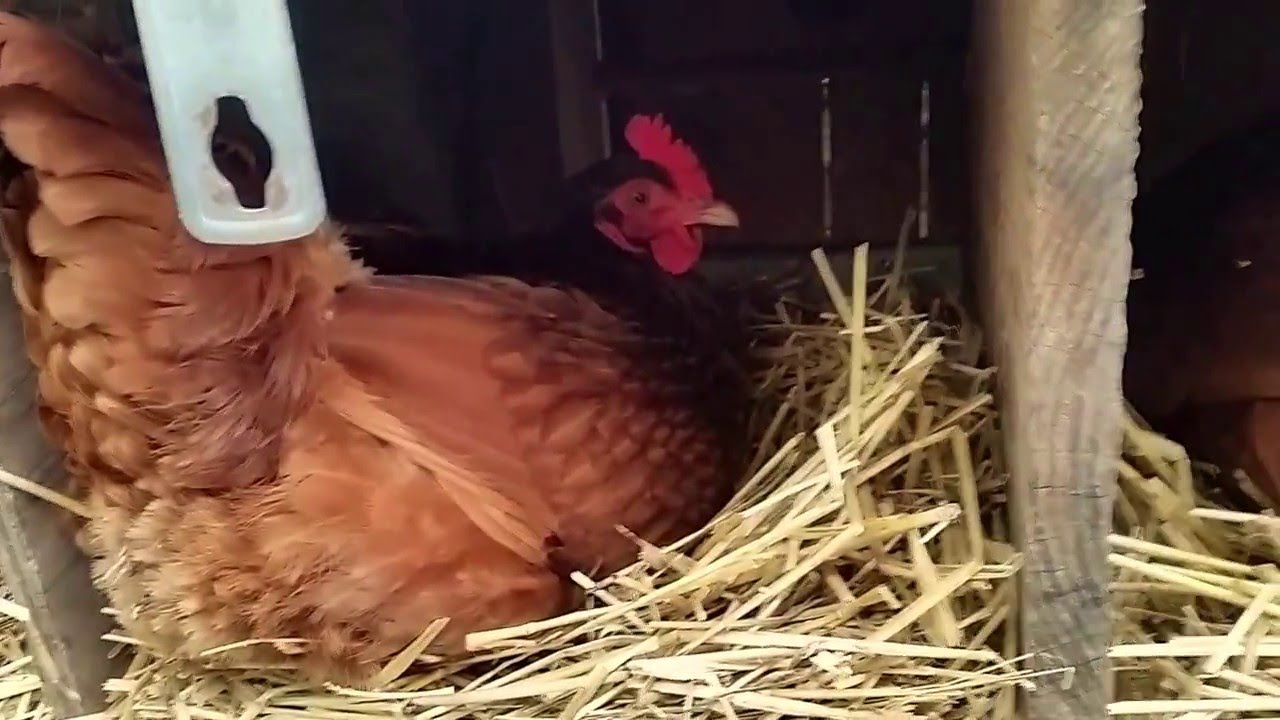
Introduction to Rhode Island Red chickens
Rhode Island Red chickens are a popular breed of chicken known for their versatility and productivity. They were first developed in the United States in the late 19th century and quickly gained popularity among poultry enthusiasts. These chickens are valued for their ability to lay a high number of eggs, making them a favorite among backyard chicken keepers and commercial farmers alike.
Characteristics of Rhode Island Red chickens
Rhode Island Red chickens are medium-sized birds with a distinctive deep red color. They have a muscular build, making them quite hardy and resilient. These chickens have a single comb and wattles that are also red in color. Their yellow eyes and yellow legs add to their overall attractive appearance. Rhode Island Reds are known for their calm and friendly temperament, which makes them great additions to any flock.
Life cycle of Rhode Island Red chickens
Like any other chicken breed, Rhode Island Reds go through various stages in their life cycle. They start as tiny chicks, which are typically brooded under heat lamps until they are strong enough to regulate their body temperature. As they grow, they enter the pullet stage, where they develop their adult feathers and begin to show their true colors. Once they reach maturity, around 6 months of age, they are ready to start laying eggs.
Reproduction process of Rhode Island Red chickens
Rhode Island Red chickens reproduce through a process called sexual reproduction. The rooster, or male chicken, mates with the hen, or female chicken, to fertilize the eggs. The rooster’s sperm combines with the hen’s ova, leading to the development of fertilized eggs. These eggs are then incubated either naturally by a broody hen or artificially using an incubator until they hatch into adorable chicks.
Egg-laying habits of Rhode Island Red chickens
Rhode Island Red chickens are renowned for their excellent egg-laying abilities. They are considered prolific layers, meaning they lay a significant number of eggs throughout the year. These chickens have a consistent laying pattern, typically producing eggs early in the morning. They prefer to lay their eggs in secluded and comfortable places, such as nesting boxes or other cozy spots within their coop.
Factors influencing egg production in Rhode Island Red chickens
Several factors can influence the egg production of Rhode Island Red chickens. The most crucial factor is providing them with a well-balanced diet that includes quality feed, fresh water, and appropriate supplements. Proper lighting is also essential, as chickens require a certain number of daylight hours to stimulate egg production. A clean and stress-free environment, along with regular health checks, also play a significant role in maintaining high egg-laying rates.
Do Rhode Island Red chickens lay eggs?
Absolutely! Rhode Island Red chickens are well-known for their egg-laying capabilities. They are considered one of the most reliable and consistent layers among chicken breeds. Whether you raise them for backyard enjoyment or as part of a commercial operation, you can expect a steady supply of eggs from your Rhode Island Reds.
How many eggs can Rhode Island Red chickens lay?
On average, a Rhode Island Red hen lays around 200-300 eggs per year. However, individual hens may produce more or fewer eggs depending on various factors, including genetics, diet, health, and environmental conditions. With proper care and management, some Rhode Island Reds have been known to exceed 300 eggs per year.
Characteristics of Rhode Island Red chicken eggs
Rhode Island Red chicken eggs are typically brown in color, although shade variations can occur. They have a relatively large size compared to some other chicken breeds, with a typical weight of around 55-65 grams. These eggs have a sturdy shell and a yolk that is rich in color and flavor. They are known for their excellent cooking and baking properties, making them a preferred choice for culinary enthusiasts.
Tips for maximizing egg production in Rhode Island Red chickens
To maximize egg production in Rhode Island Red chickens, several tips can be followed. Firstly, ensure a balanced and nutritious diet that includes a high-quality layer feed supplemented with calcium. Providing clean and comfortable nesting boxes with soft bedding material encourages hens to lay their eggs in a designated spot. Regular collection of eggs prevents them from accumulating and getting damaged. Finally, maintaining a stress-free environment, regular health checks, and protecting the flock from predators contribute to optimal egg production.
Common myths about Rhode Island Red chicken eggs
There are a few common myths surrounding Rhode Island Red chicken eggs. One myth suggests that brown eggs are healthier or more nutritious than white eggs, which is untrue. The shell color has no impact on the nutritional value of the egg. Another myth claims that double-yolked eggs are common in Rhode Island Reds, but double-yolked eggs are actually rare and can occur in any chicken breed, including Rhode Island Reds. It’s essential to separate fact from fiction when it comes to chicken eggs.
Conclusion: Eggs laid by Rhode Island Red chickens
In conclusion, Rhode Island Red chickens are indeed prolific layers. They are reliable and consistent in their egg-laying abilities, making them a popular choice for both backyard and commercial chicken keepers. With proper care, nutrition, and a suitable environment, these chickens can provide a bountiful supply of eggs that are not only delicious but also versatile in culinary applications. If you are considering adding Rhode Island Reds to your flock, rest assured that you can count on them for a steady and abundant supply of eggs.