Introduction: Mosquito Population in Rhode Island
Mosquitoes are a common annoyance in many regions, and Rhode Island is no exception. The state, bordered by the Atlantic Ocean in the east, Connecticut in the west, and Massachusetts to the north, experiences a significant presence of mosquitoes throughout the warmer months. These blood-sucking insects thrive in Rhode Island due to its favorable climate and diverse geography, which provide ideal conditions for mosquito breeding and survival.
Climate and Geography: Factors Affecting Mosquito Abundance
Rhode Island’s climate plays a crucial role in the abundance of mosquitoes in the state. The region experiences a humid continental climate with moderately warm summers and cold winters. The combination of warm temperatures, high humidity, and ample rainfall during the summer months creates ideal conditions for mosquitoes to multiply rapidly. Additionally, the state’s proximity to the ocean and numerous freshwater bodies, such as lakes, ponds, and marshes, contributes to the thriving mosquito population.
Understanding Mosquito Habitats in Rhode Island
Mosquitoes in Rhode Island are known to inhabit a variety of habitats. While they can breed in any stagnant water source, they particularly favor wetland areas, marshes, and swamps. These environments provide the necessary nutrients, shelter, and moisture for mosquito larvae to develop into adults. Other common breeding sites include rainwater catchments, artificial containers, and poorly maintained swimming pools. Understanding these habitats is crucial for effective mosquito control strategies.
Species Diversity: Mosquitoes Found in Rhode Island
Rhode Island is home to various mosquito species, each with its own preferences and behaviors. The most prevalent species in the state include the Northern house mosquito (Culex pipiens), Eastern salt marsh mosquito (Aedes sollicitans), and Asian tiger mosquito (Aedes albopictus). The Northern house mosquito is known for transmitting West Nile virus, while the Eastern salt marsh mosquito is a vector for Eastern Equine Encephalitis. The Asian tiger mosquito, an invasive species, poses a significant health threat as it can transmit Zika virus and other diseases.
Mosquito Surveillance Programs in Rhode Island
To monitor and manage mosquito populations, Rhode Island employs comprehensive surveillance programs. The Rhode Island Department of Health (RIDOH) collaborates with local agencies and mosquito control districts to conduct regular surveillance activities. These programs involve collecting mosquito samples from various sites, trapping adult mosquitoes, and testing them for diseases. Such surveillance efforts provide valuable data for decision-making regarding mosquito control strategies and public health interventions.
Historical Trends: Mosquito Populations in Rhode Island
Over the years, mosquito populations in Rhode Island have shown varying trends. Factors such as climate change, urbanization, and changes in land use patterns impact mosquito abundance. In recent decades, there has been a noticeable increase in mosquito populations due to changing environmental conditions. This upward trend highlights the need for continued monitoring and mosquito control measures to mitigate the potential risks associated with mosquito-borne diseases.
Prevalence of Disease-Carrying Mosquitoes in Rhode Island
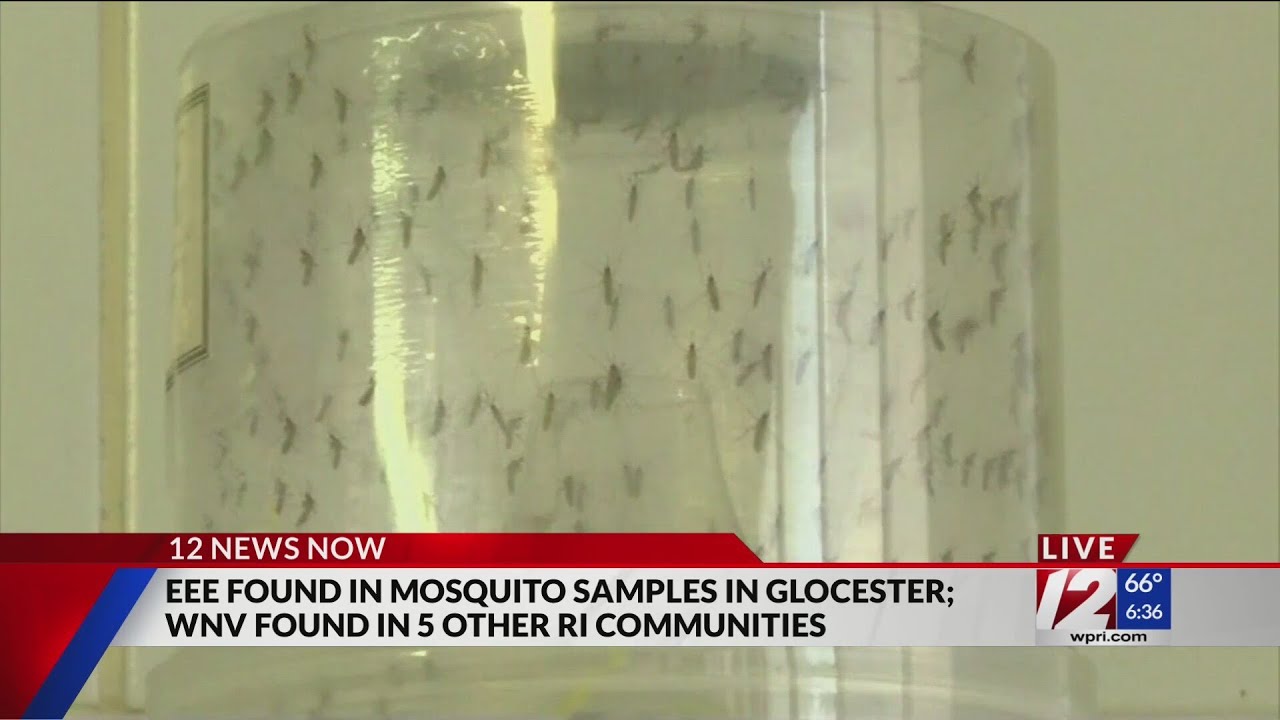
Rhode Island has seen cases of mosquito-borne diseases, including West Nile virus and Eastern Equine Encephalitis. The Northern house mosquito is the primary carrier of West Nile virus, which can cause severe illness in humans. Meanwhile, the Eastern salt marsh mosquito is responsible for transmitting Eastern Equine Encephalitis, a rare but potentially fatal disease. The presence of disease-carrying mosquitoes underscores the importance of implementing effective mosquito control measures and public health awareness campaigns.
Mosquito Control Measures in Rhode Island
Rhode Island has a comprehensive approach to mosquito control. The state employs integrated pest management strategies, including larval control, adulticide spraying, and source reduction. Larval control involves treating mosquito breeding habitats with larvicides to prevent larvae from developing into adult mosquitoes. Adulticide spraying targets adult mosquitoes in specific areas when their populations pose a significant public health risk. Additionally, source reduction initiatives aim to eliminate or modify mosquito breeding sites, reducing mosquito numbers and curbing disease transmission.
Public Health Concerns: Mosquito-Borne Illnesses in Rhode Island
Mosquito-borne illnesses pose significant public health concerns in Rhode Island. West Nile virus and Eastern Equine Encephalitis can cause severe neurological symptoms and, in some cases, fatalities. State and local health authorities work diligently to educate the public about the risks associated with these diseases, emphasizing personal protective measures such as using insect repellents, wearing protective clothing, and eliminating standing water around residential areas. Timely reporting of mosquito activity and disease cases is vital to prompt response and prevention efforts.
Impact on Tourism and Recreational Activities in Rhode Island
The abundance of mosquitoes in Rhode Island can impact tourism and recreational activities. The state’s beautiful coastline, parks, and outdoor venues attract visitors from around the country. However, mosquito presence can hinder enjoyment of outdoor activities such as hiking, camping, and picnicking. To mitigate the impact on tourism, event organizers and local authorities often implement mosquito control measures during peak tourist seasons to ensure a pleasant experience for visitors.
Community Engagement: Citizen Participation in Mosquito Control
Rhode Island actively engages its communities in mosquito control efforts. The RIDOH conducts outreach programs to educate residents about mosquito biology, disease prevention, and personal protection measures. Citizen participation is encouraged through reporting mosquito activity and breeding sites, which helps inform surveillance and control efforts. Additionally, community members are advised to practice source reduction at home and participate in community clean-up initiatives to eliminate potential mosquito breeding grounds.
Future Outlook: Addressing Mosquito Abundance in Rhode Island
Addressing the abundance of mosquitoes in Rhode Island requires a multi-faceted approach. Continued surveillance, research, and monitoring programs will provide critical data for understanding mosquito populations and disease transmission patterns. Collaborative efforts between government agencies, mosquito control districts, and the public will be essential in implementing effective mosquito control measures, public health campaigns, and community engagement initiatives. By proactively addressing mosquito abundance and its associated risks, Rhode Island can strive towards creating a safer and more enjoyable environment for its residents and visitors.