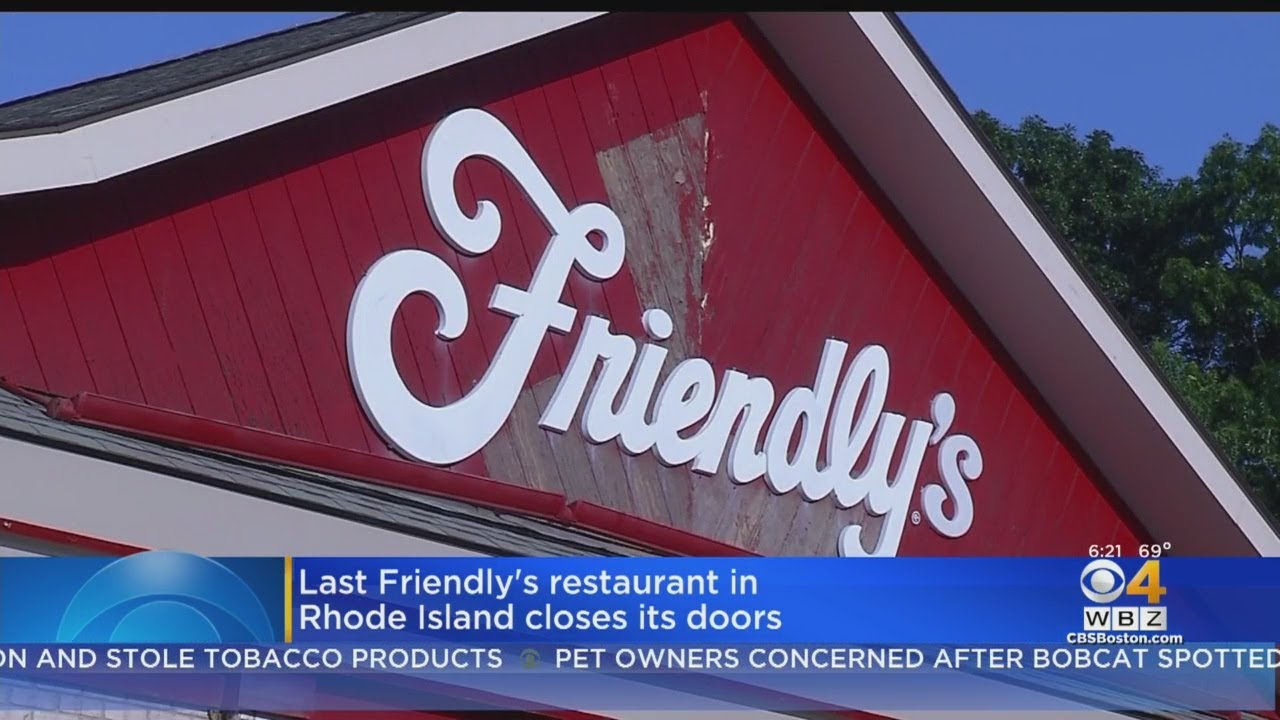
Introduction: Current Situation of Restaurants in Rhode Island
The restaurant industry in Rhode Island, like in many other states, has been severely impacted by the COVID-19 pandemic. With restrictions on indoor dining and social distancing measures in place, restaurants have faced significant challenges in adapting their operations to ensure the safety of their staff and customers. While some restaurants have managed to stay afloat through innovative strategies, many have been forced to shut down permanently.
Impact of the COVID-19 Pandemic on the Restaurant Industry
The COVID-19 pandemic has hit the restaurant industry hard in Rhode Island. With a decline in customer footfall and reduced capacity due to social distancing guidelines, many restaurants have experienced a sharp decline in revenue. The fear of contracting the virus has also led to a decrease in consumer confidence, resulting in lower demand for dining out experiences. This has forced restaurants to explore alternative revenue streams such as takeout and delivery services.
Government Regulations and Their Effect on Rhode Island Restaurants
Government regulations have played a crucial role in shaping the fate of Rhode Island restaurants. In response to the pandemic, the state government implemented strict measures to control the spread of the virus. These measures included limiting restaurant capacity, implementing curfews, and even temporarily closing indoor dining. While these regulations were necessary for public health, they had a profound impact on the financial viability of restaurants, particularly those with limited outdoor seating options.
Financial Challenges Faced by Restaurants in Rhode Island
Restaurants in Rhode Island have faced significant financial challenges during the pandemic. Many establishments have struggled to cover fixed expenses such as rent, utilities, and payroll, while simultaneously investing in safety measures and adapting their business models. With reduced revenue and increased costs, profit margins have been critically impacted, leading to financial instability for numerous restaurants.
The Closure Trend: Statistics on Shutting Down Restaurants
The closure trend among restaurants in Rhode Island has been alarming. According to data from the Rhode Island Hospitality Association, over 200 restaurants permanently closed in 2020, representing a 20% decrease in the total number of dining establishments in the state. This trend continued into 2021, with several iconic restaurants succumbing to financial pressures and shutting down. These closures have not only resulted in job losses but have also created a void in the culinary landscape of Rhode Island.
Factors Contributing to Restaurant Closures in Rhode Island
Several factors have contributed to the closure of restaurants in Rhode Island. The combination of reduced capacity, decreased consumer spending, and higher operating costs has created a challenging environment for many establishments. Additionally, the absence of tourism and a decline in business travel have further impacted the restaurant industry. Small, independent restaurants have been particularly vulnerable due to their limited resources and dependence on local customers.
Successful Strategies Adopted by Restaurants to Stay Afloat
Despite the challenges, some restaurants in Rhode Island have managed to adapt and stay afloat during these difficult times. Many establishments have embraced creative solutions, such as offering outdoor dining options, promoting takeout and delivery services, and utilizing social media to engage with customers. Some restaurants have also collaborated with local farms and suppliers to source fresh ingredients, supporting the local economy while providing unique dining experiences.
Support and Initiatives Provided by the State to Assist Restaurants
Recognizing the hardships faced by the restaurant industry, the state government of Rhode Island has implemented various initiatives to support struggling restaurants. The Rhode Island Commerce Corporation has provided financial assistance programs, including grants and loans, to help cover operating costs and support employee wages. Additionally, the state has eased regulations on outdoor dining permits and extended liquor license expiration dates to offer flexibility to restaurants.
Outlook for Rhode Island Restaurants in the Coming Months
The outlook for Rhode Island restaurants in the coming months remains uncertain. While the vaccination rollout offers hope for a return to normalcy, it may take time for consumer confidence to fully recover. Restaurants will need to continue adapting their operations to changing guidelines and consumer preferences. The survival of the restaurant industry will also depend on the pace of economic recovery and the ability of restaurants to navigate the ongoing financial challenges.
Restaurant Industry’s Role in Rhode Island’s Economic Recovery
The restaurant industry plays a crucial role in Rhode Island’s economic recovery. Not only does it provide employment opportunities for thousands of Rhode Islanders, but it also contributes to the state’s tourism sector and overall economic vitality. The success of the restaurant industry is intertwined with the recovery of other sectors, such as hospitality and retail. As the state gradually reopens, supporting and revitalizing the restaurant industry will be essential for Rhode Island’s overall economic well-being.
Recommendations for Restaurants to Survive and Thrive Amidst Challenges
To survive and thrive amidst the challenges brought by the pandemic, restaurants in Rhode Island should consider adopting several strategies. Emphasizing safety protocols and reassuring customers about health measures can help rebuild consumer confidence. Diversifying revenue streams through takeout, delivery, and outdoor dining options can increase profitability. Collaborating with other local businesses to create unique experiences and leveraging digital marketing platforms can also attract customers. Additionally, seeking financial assistance programs and staying informed about government resources will be crucial for restaurants to navigate the ongoing challenges successfully.
Conclusion: The Future of Rhode Island’s Dining Scene
The future of Rhode Island’s dining scene remains uncertain, but the resilience and innovation displayed by many establishments provide hope. While the road to recovery will undoubtedly be challenging, the ability of restaurants to adapt to changing circumstances and consumer preferences will be crucial. With ongoing government support, increased vaccination rates, and a gradual return of consumer confidence, the Rhode Island restaurant industry may gradually regain its vibrancy and play a vital role in revitalizing the state’s overall economy.