Rhode Island Schools Closure: Fact or Fiction?
In light of the ongoing COVID-19 pandemic, many individuals have been wondering about the status of Rhode Island schools. Rumors have been circulating about the possibility of schools remaining closed for the remainder of the year. In this article, we will delve into the current situation and shed light on the truth behind these claims.
Understanding the Current Status of Rhode Island Schools
To accurately assess the closure situation, it is essential to understand the current status of Rhode Island schools. In response to the COVID-19 outbreak, schools in the state were initially closed in mid-March. This closure was initially intended to be temporary, with hopes of reopening in a few weeks. However, as the virus continued to spread, the situation became more complex.
COVID-19 Impact on Rhode Island Schools
The impact of COVID-19 on Rhode Island schools has been significant. With the rapid transmission of the virus, the safety and well-being of students and staff became a top priority. The closure of schools aimed to prevent further spread and protect the vulnerable members of the community. However, the closure has not come without its challenges.
Governor’s Decision: Extended Closure of Schools
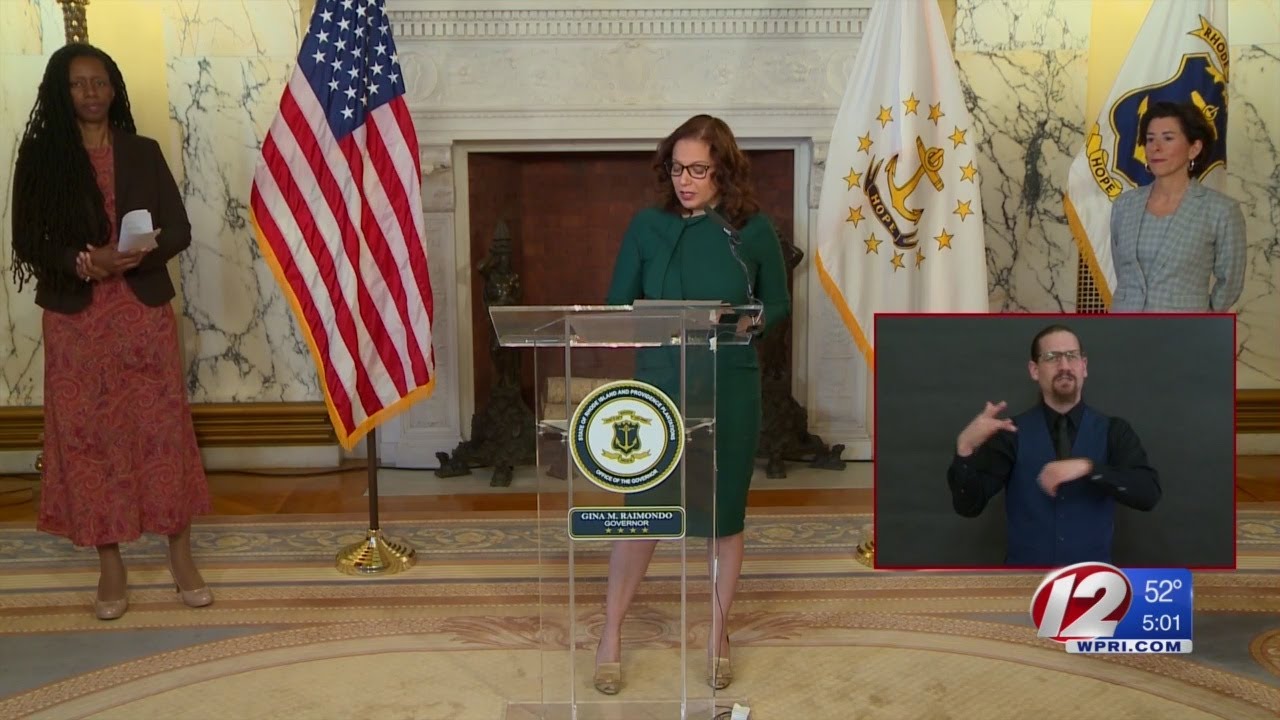
In light of the escalating situation, Rhode Island Governor Gina Raimondo made the difficult decision to extend the closure of schools for the remainder of the academic year. This decision was based on expert advice, public health concerns, and the need for continued social distancing measures. While it was a necessary step, it has left students, parents, and teachers with many unanswered questions.
Analyzing the Reasons Behind the Extended Closure
The extended closure of Rhode Island schools was primarily driven by the need to minimize the risk of COVID-19 transmission. With schools being a gathering place for numerous individuals, maintaining social distancing within their walls would be a considerable challenge. The decision was made to prioritize the safety and health of students and staff, even if it meant disrupting the traditional academic calendar.
Evaluating the Academic Consequences of the Closure
The closure of schools undoubtedly has significant academic consequences. Students are missing out on vital classroom instruction, social interaction, and extracurricular activities. Teachers are faced with the challenge of adapting their teaching methods to remote learning platforms. The loss of face-to-face interaction can also have an impact on students’ motivation and engagement with their studies.
The Challenges Faced by Rhode Island Students and Teachers
The extended closure of schools presents numerous challenges for both students and teachers. Students may struggle with self-discipline, lack of access to resources, and the absence of a structured learning environment. Teachers, on the other hand, may find it challenging to deliver content effectively through remote teaching methods, as well as address individual student needs and concerns.
Adjustments and Adaptations: Remote Learning Strategies
To mitigate the challenges posed by the closure, Rhode Island schools have been implementing various remote learning strategies. Online platforms, virtual classrooms, and video conferencing tools have become the new norm for delivering instruction. Teachers and students alike are learning to adapt to this new mode of learning, ensuring that education continues, albeit in a different format.
Ensuring the Safety and Health of Rhode Island Students
While schools remain closed, ensuring the safety and health of Rhode Island students is paramount. The state government has been working closely with health officials to monitor the situation and implement necessary precautions. Regular updates are provided to parents and students, emphasizing the importance of practicing good hygiene, social distancing, and following guidelines set forth by public health authorities.
Support Systems for Rhode Island Students and Families
Recognizing the profound impact the closure has on students and families, Rhode Island schools have been actively providing support systems. These include access to mental health resources, counseling services, and virtual support groups. Additionally, efforts are being made to bridge the digital divide by ensuring that students have access to necessary technology and internet connectivity for remote learning.
Looking Ahead: Potential Reopening Plans
As the situation evolves, discussions surrounding potential reopening plans are underway. Rhode Island educational authorities are exploring various options, such as staggered schedules, blended learning models, and enhanced health and safety protocols. However, any decisions regarding reopening are contingent upon the progression of the COVID-19 pandemic and guidance from public health officials.
The Future of Rhode Island Schools: Uncertainty Looms
The closure of Rhode Island schools for the remainder of the year has undoubtedly created a sense of uncertainty. While efforts are being made to provide continuity in education, the long-term effects of the closure are still unknown. As the situation continues to evolve, it is essential for students, parents, and teachers to stay informed, adapt to the changing circumstances, and support one another during these challenging times.