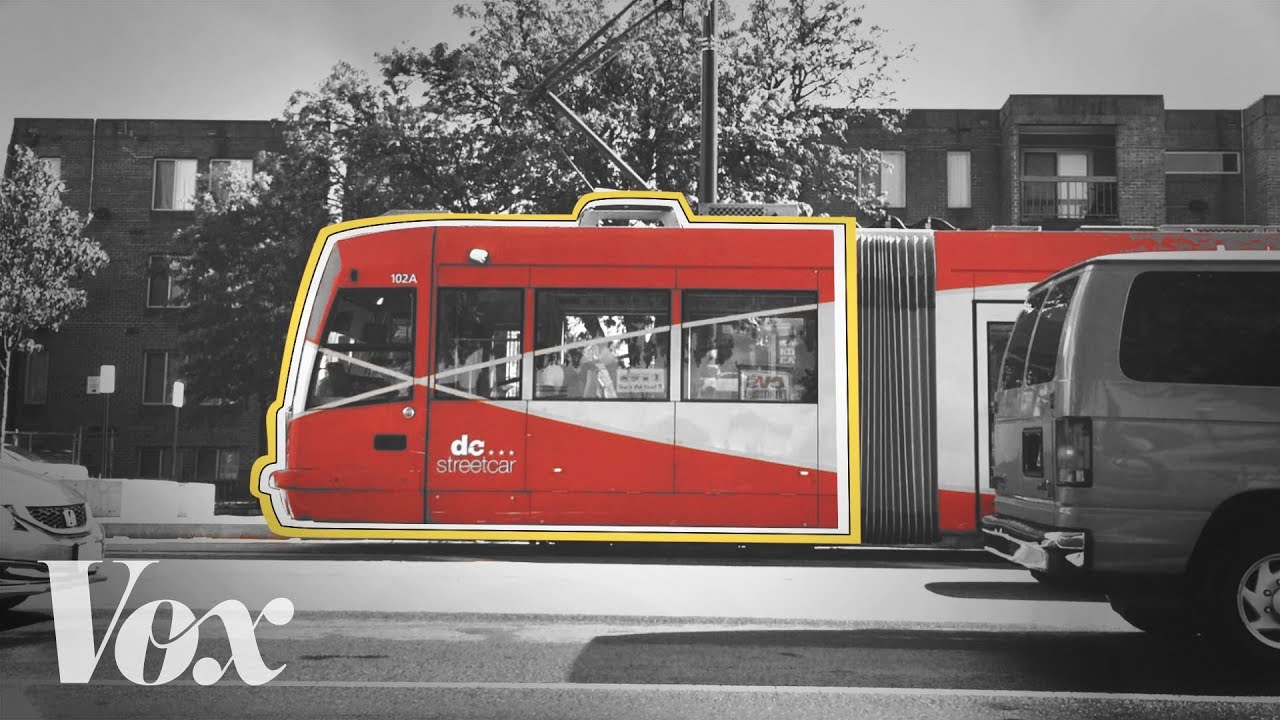
History of Streetcars in Rhode Island
Rhode Island, like many other cities in the United States, had a significant streetcar system that played a vital role in the transportation infrastructure during the late 19th and early 20th centuries. The introduction of streetcars in Rhode Island can be traced back to the late 1800s when horse-drawn carriages were gradually replaced by electric streetcars. These electric streetcars were an innovative mode of transportation that quickly gained popularity among residents.
The Rise and Fall of Streetcar Systems
The streetcar system in Rhode Island peaked in the early 20th century, with networks branching out across the state. This extensive streetcar network facilitated the movement of people within and between cities, contributing to economic growth and urban development. However, as the popularity of automobiles grew and the demand for more flexible transportation options increased, the streetcar systems started to decline.
Streetcars in Downtown Providence
Downtown Providence, the capital city of Rhode Island, had an extensive streetcar network that connected various neighborhoods and suburbs. The city’s main streetcar hub was at Exchange Place, where lines converged, allowing people to easily transfer between routes. The streetcars in downtown Providence were a common sight, with tracks running along major streets such as Westminster, Broadway, and Washington.
Streetcars in Other Rhode Island Cities
Apart from Providence, several other cities in Rhode Island also had their own streetcar systems. Cities like Pawtucket, Newport, and Woonsocket all had streetcars running through their streets, providing a convenient mode of transportation for their residents. These streetcar networks were instrumental in connecting different parts of the cities and played a crucial role in their growth and development.
Demise of Streetcars: Factors and Challenges
Several factors contributed to the demise of the streetcar systems in Rhode Island. The rise of automobiles and the development of a more extensive road network provided people with more flexibility and freedom when it came to transportation. Additionally, the high costs of maintaining and operating the streetcar systems, coupled with competition from buses, led to their gradual decline.
Preservation Efforts: Restoring Streetcars
Despite the decline of streetcars in Rhode Island, there have been ongoing preservation efforts to restore and maintain these historic vehicles. Organizations such as the Rhode Island Streetcar Coalition and the Rhode Island Historical Society have been actively involved in preserving streetcars and promoting their historical significance. Through restoration projects and educational initiatives, these organizations aim to keep the legacy of streetcars alive.
Rhode Island Streetcar Museums
Rhode Island is home to a few notable streetcar museums that provide visitors with a glimpse into the past. The Seashore Trolley Museum, located in Kennebunkport, Maine, houses a collection of streetcars from various cities, including Rhode Island. Visitors can learn about the history of streetcars and even take a ride on some of the restored vehicles. Another museum, the Shore Line Trolley Museum in East Haven, Connecticut, features streetcars from different eras, showcasing the evolution of this mode of transportation.
Discovering the Last Remaining Streetcars
While the streetcar systems in Rhode Island are no longer operational, there are still a few remaining streetcars that have been preserved. One such example is the "Union Railroad #1," which is on display at the Rhode Island Historical Society’s Museum of Work and Culture in Woonsocket. This streetcar serves as a reminder of the once-thriving transportation system that connected communities across the state.
Rhode Island’s Forgotten Tracks: Tracing the Routes
Although the streetcars are no longer in operation, traces of their existence can still be found in Rhode Island. In some areas, old tracks are visible on the streets, serving as a reminder of the past. A few stretches of track can be seen in Providence, particularly in downtown areas, as well as in other cities like Newport and Pawtucket. These remnants of the streetcar era are a testament to the impact they had on the state’s transportation history.
The Legacy of Streetcars in Rhode Island
The streetcar era left an indelible mark on Rhode Island’s history and development. It played a crucial role in shaping the urban landscape, connecting communities, and facilitating economic growth. The streetcar system provided affordable and efficient transportation for residents, contributing to the growth of cities and suburbs alike. Today, the legacy of streetcars in Rhode Island can still be seen in the infrastructure and cultural heritage of the state.
Streetcar Revival in Rhode Island?
While the streetcar systems of the past may no longer exist, there has been renewed interest in reviving streetcar systems in Rhode Island. Proponents argue that streetcars could offer an environmentally friendly and efficient mode of transportation, reducing traffic congestion and providing an alternative to automobiles. However, the challenges of funding, infrastructure planning, and public support present significant hurdles for any potential streetcar revival projects.
Prospects for Future Streetcar Systems
While a full-scale streetcar revival may be challenging, there is still potential for smaller-scale streetcar systems to be implemented in Rhode Island. Some cities have explored the idea of introducing modern streetcars on selected routes to enhance public transportation options. These projects would require careful planning, public support, and collaboration between various stakeholders to ensure their success. As the demand for sustainable transportation options grows, future streetcar systems could play a role in addressing the transportation needs of Rhode Island communities.