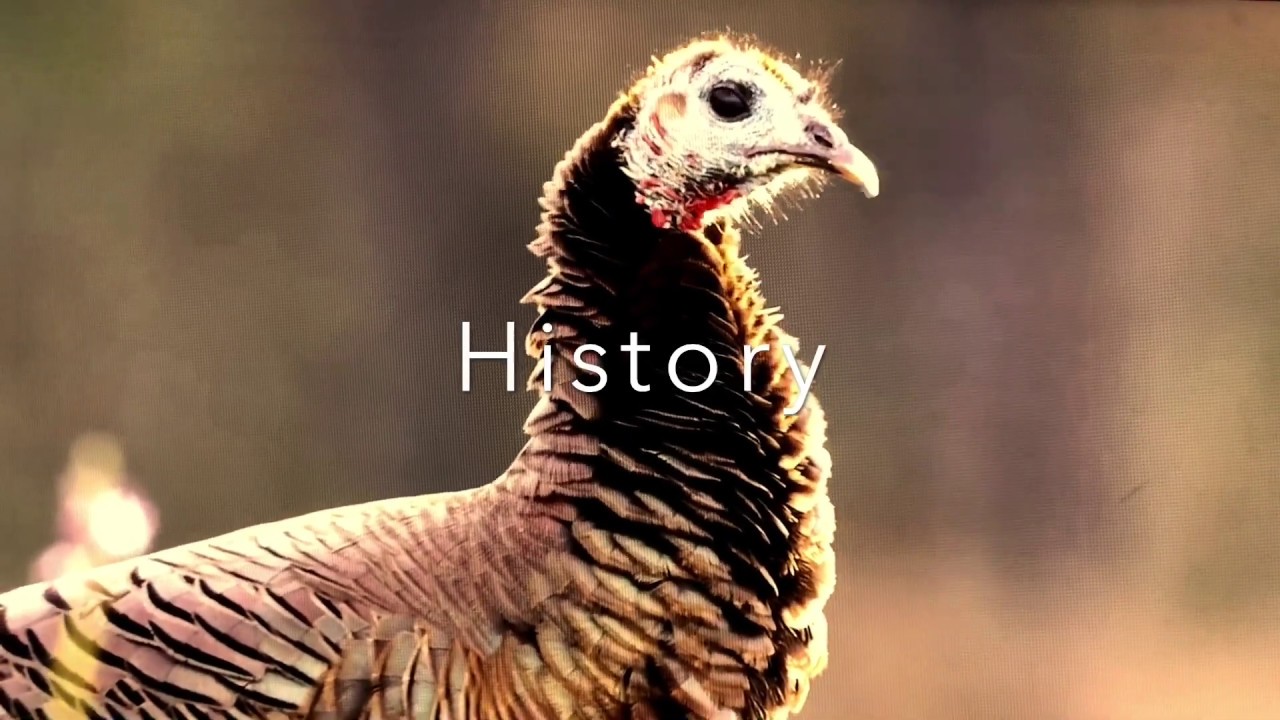
Introduction: Wild Turkeys in Rhode Island
Wild turkeys (Meleagris gallopavo) are a fascinating and iconic species found throughout the United States, including the small but vibrant state of Rhode Island. Although they were once on the brink of extinction, efforts to protect and conserve these magnificent birds have led to a significant recovery in their population. In this article, we will delve into the history and current status of wild turkeys in Rhode Island, examine the role of the Rhode Island Department of Environmental Management (DEM) in their conservation, explore the challenges they face, and discuss their importance in the state’s ecosystem and economy.
History of Wild Turkeys in Rhode Island
The history of wild turkeys in Rhode Island is a tale of triumph over adversity. Once abundant in the state, wild turkeys were almost completely wiped out due to deforestation, habitat loss, and unregulated hunting in the 19th and early 20th centuries. By the 1960s, they were on the verge of extinction in Rhode Island. However, thanks to successful reintroduction programs and conservation efforts, the wild turkey population has made a remarkable recovery.
Current Population of Wild Turkeys in Rhode Island
Today, Rhode Island boasts a healthy and flourishing population of wild turkeys. According to the Rhode Island Department of Environmental Management, the estimated population stands at around 4,000 birds. This is a remarkable increase from the mere handful of individuals that survived in the state several decades ago. The resurgence of wild turkeys in Rhode Island is a testament to the effectiveness of conservation strategies implemented over the years.
The Role of the Rhode Island Department of Environmental Management
The Rhode Island Department of Environmental Management plays a crucial role in the protection and management of wild turkeys. The DEM collaborates with various organizations and agencies to monitor the population, conduct research, and implement policies aimed at preserving and enhancing the species’ habitat. Through their efforts, the DEM ensures that wild turkeys receive the necessary protection and conservation measures to ensure their long-term survival.
Hunting Regulations for Wild Turkeys in Rhode Island
While wild turkeys are a protected species in Rhode Island, hunting is permitted under strict regulations. The DEM establishes hunting seasons and bag limits to ensure sustainable hunting practices that do not harm the overall population. Hunters must obtain a valid license and adhere to specific guidelines to maintain the delicate balance between conservation and recreational use.
Challenges Facing Wild Turkeys in Rhode Island
Despite their remarkable recovery, wild turkeys in Rhode Island still face several challenges. Habitat loss due to urbanization and land development presents a significant threat, as it restricts their available range and food sources. Additionally, collisions with vehicles pose a significant danger to these birds, especially in areas where urban and rural landscapes intersect. Furthermore, climate change and its associated impacts, such as extreme weather events, can disrupt their breeding patterns and affect their overall survival.
Conservation Efforts for Wild Turkeys in Rhode Island
To combat the challenges faced by wild turkeys, Rhode Island has implemented various conservation efforts. These include habitat restoration projects, such as reforestation and the creation of wildlife corridors, to provide suitable environments for wild turkeys. The DEM also works closely with landowners and communities to promote responsible land management practices that benefit both turkeys and other wildlife species.
Threats to Wild Turkeys in Rhode Island
While conservation efforts have been successful, several threats continue to put wild turkeys at risk in Rhode Island. Illegal hunting and poaching remain a concern, as some individuals disregard hunting regulations. Additionally, predators such as coyotes and foxes can impact turkey populations, especially during nesting and hatching seasons. Disease outbreaks, such as avian pox and West Nile virus, pose further risks to their overall health and population stability.
Importance of Wild Turkeys in Rhode Island’s Ecosystem
Wild turkeys play a vital role in Rhode Island’s ecosystem. As omnivores, they help control populations of insects, small mammals, and reptiles, thus maintaining a balanced ecosystem. Their foraging and scratching behavior also aids in the dispersal of seeds, promoting plant diversity and forest regeneration. Furthermore, their presence contributes to the overall biodiversity and ecological health of the state.
Economic Impact of Wild Turkeys in Rhode Island
The resurgence of wild turkeys in Rhode Island has not only benefited the ecosystem but also brought economic advantages to the state. The popularity of turkey hunting has grown, attracting hunters from within and outside the state. This influx of hunters contributes to the local economy through the purchase of licenses, hunting equipment, and accommodations. Additionally, wildlife tourism, centered around observing and photographing wild turkeys, provides an additional financial boost to local communities.
Public Perception and Attitudes Towards Wild Turkeys in Rhode Island
Public perception and attitudes towards wild turkeys in Rhode Island have evolved over the years. Once seen as a rarity, wild turkeys are now a cherished sight for many residents and visitors. Their presence in suburban and urban areas has become a symbol of successful conservation and a testament to efforts to restore natural habitats. However, conflicts can arise when turkeys cause damage to property or become aggressive towards humans, highlighting the need for effective management strategies and public education.
Conclusion: The Future of Wild Turkeys in Rhode Island
The future of wild turkeys in Rhode Island appears promising, thanks to dedicated conservation efforts and the collaboration of organizations like the Rhode Island Department of Environmental Management. Continued habitat protection, responsible hunting regulations, public awareness campaigns, and research initiatives will be essential to ensure the long-term survival and well-being of these iconic birds. By appreciating and safeguarding the wild turkey population, Rhode Island can maintain a healthy ecosystem and provide future generations with the opportunity to witness these magnificent creatures thriving in their natural habitats.