Hummingbird Migration Patterns: A Fascinating Phenomenon
Hummingbird migration is a captivating natural phenomenon that showcases the incredible abilities of these tiny birds. Every year, thousands of hummingbirds embark on a long journey from their wintering grounds in Central and South America to their breeding grounds in North America. Rhode Island, despite its small size, serves as an important stopover location for these feathered travelers. Understanding the migration patterns of hummingbirds can offer valuable insights into their behavior and ecology.
The Arrival of Hummingbirds: A Sign of Spring in Rhode Island
For bird enthusiasts in Rhode Island, the return of hummingbirds is eagerly anticipated, as it signifies the arrival of spring. In general, hummingbirds start to arrive in Rhode Island in late April or early May. These tiny birds, known for their iridescent feathers and incredible hovering capabilities, bring a sense of vibrancy and beauty to the local ecosystem. Their presence serves as a reminder of nature’s resilience and the cyclical nature of life.
Understanding the Timing of Hummingbird Migration
The timing of hummingbird migration can vary slightly from year to year, but it follows a relatively consistent pattern. The spring migration is triggered by a combination of factors, including the lengthening daylight hours and the availability of food sources along the way. As the days become longer and temperatures rise, hummingbirds instinctively begin their journey northward. However, the specific timing can also be influenced by various environmental factors.
Factors Influencing Hummingbird Return to Rhode Island
Several factors influence the timing of hummingbird return to Rhode Island. One crucial factor is the availability of nectar-producing flowers, which serve as the primary food source for these birds. A delay in the blooming of flowers can result in a delay in hummingbird arrival. Additionally, weather conditions, such as temperature and wind patterns, can affect migration patterns. Unfavorable weather can cause hummingbirds to alter their flight routes or delay their arrival.
Tracking Hummingbird Migration Routes: Insights from Science
Scientific advancements have enabled researchers to gain a deeper understanding of hummingbird migration routes. Using techniques like banding and tracking devices, scientists have discovered that hummingbirds follow specific routes during their migration. The Ruby-throated Hummingbird, the most common species in Rhode Island, typically migrates along the eastern coast of North America. By tracking their movements, researchers can gather valuable data on migration patterns and individual bird behavior.
Climate Change and Its Impact on Hummingbird Arrival
Climate change is increasingly playing a role in altering the timing of bird migration, including that of hummingbirds. Rising temperatures and shifting weather patterns can cause mismatches between the availability of food sources and the arrival of hummingbirds. Earlier springs and delayed flowering times can disrupt the delicate synchrony between hummingbirds and the plants they rely upon. Such changes may ultimately impact the survival and reproductive success of these beautiful birds.
Historical Data: When Have Hummingbirds Returned in the Past?
Historical data provides insights into the past arrival times of hummingbirds in Rhode Island. Records indicate that the first sightings of hummingbirds in the state typically occur in late April, with a peak in activity during May and June. However, it is essential to note that these dates can vary, and there may be occasional early or late arrivals. Keeping track of historical data can help birdwatchers anticipate the approximate time of hummingbird arrival each year.
The Role of Flowers in Attracting Hummingbirds to Rhode Island
Flowers play a critical role in attracting hummingbirds to Rhode Island. These birds have a strong affinity for nectar-rich blooms, which provide the energy they need for their long journeys. Some of the flowers that are particularly attractive to hummingbirds include trumpet-shaped blossoms like the cardinal flower and scarlet bee balm. Creating a garden with a variety of these flowers can help attract and sustain hummingbirds throughout their stay in Rhode Island.
Preparing Your Garden for Hummingbird Visitors
To prepare your garden for hummingbird visitors, there are several steps you can take. Firstly, ensure that you have a variety of nectar-rich flowers available, preferably with different bloom times to provide a continuous food source. Additionally, consider incorporating hummingbird feeders into your garden. These feeders can be filled with a solution of four parts water to one part white granulated sugar. It is crucial to avoid using red dye, as it can be harmful to hummingbirds. Lastly, providing perches, such as small branches or wires, can offer resting spots for these energetic birds.
Signs of Hummingbird Presence: Observations and Behaviors
Recognizing the signs of hummingbird presence can be an exciting endeavor for bird enthusiasts. Some common observations include the distinct humming sound produced by their rapid wingbeats and their ability to hover in mid-air. Hummingbirds also exhibit territorial behavior, often defending their feeding territories vigorously. Males, in particular, may engage in impressive aerial displays to attract mates. By being attentive to these behaviors and movements, you can identify the presence of hummingbirds in your area.
Common Hummingbird Species Found in Rhode Island
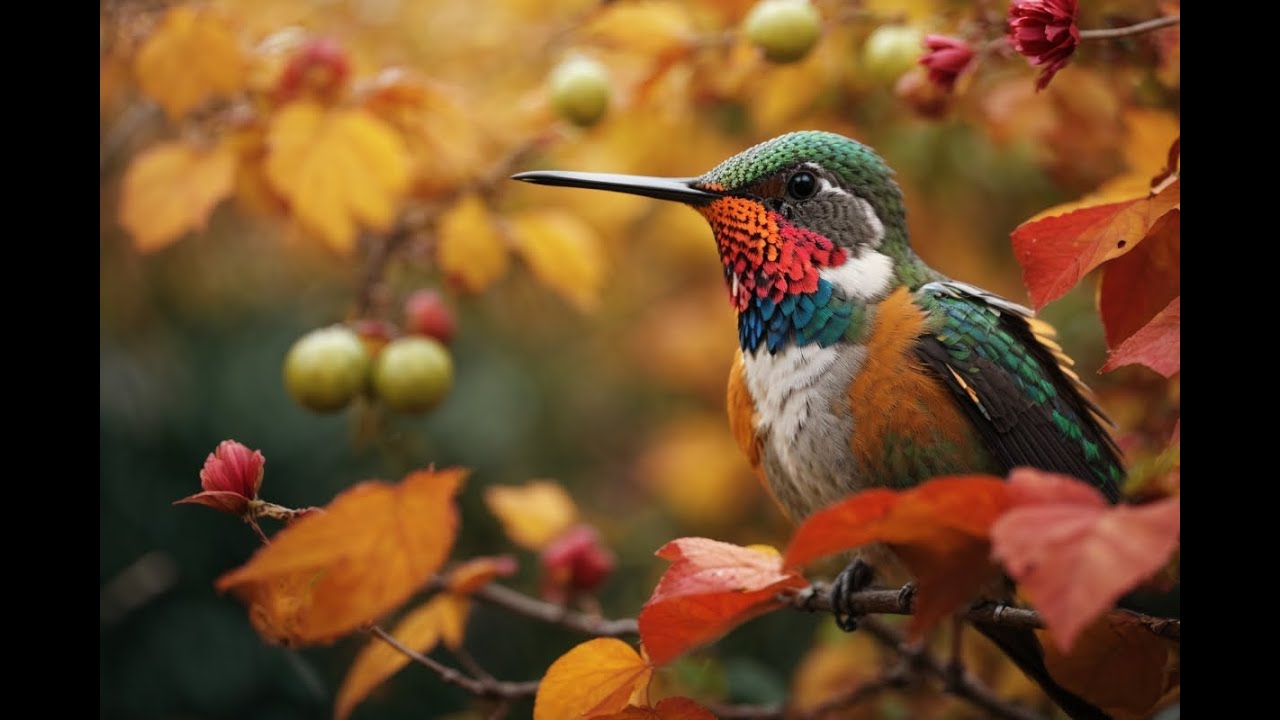
While Rhode Island is home to several hummingbird species, the most commonly observed species is the Ruby-throated Hummingbird. These vibrant birds are known for the males’ striking red throat feathers, which act as a display during courtship rituals. The females, on the other hand, sport a more muted green and white plumage. Understanding the characteristics and habits of these common species can help enthusiasts distinguish them from other similar-looking birds.
How to Spot and Identify Hummingbirds in Your Area
Spotting and identifying hummingbirds can be a thrilling experience. To attract these tiny birds, position yourself near nectar-producing flowers or hummingbird feeders. As they approach, look for their characteristic hovering flight, rapid wingbeats, and elongated bills. The Ruby-throated Hummingbird can be identified by the male’s vibrant red throat and the female’s green and white plumage. Pay attention to their size, overall coloration, and distinct behavior to differentiate hummingbirds from other bird species in your area.