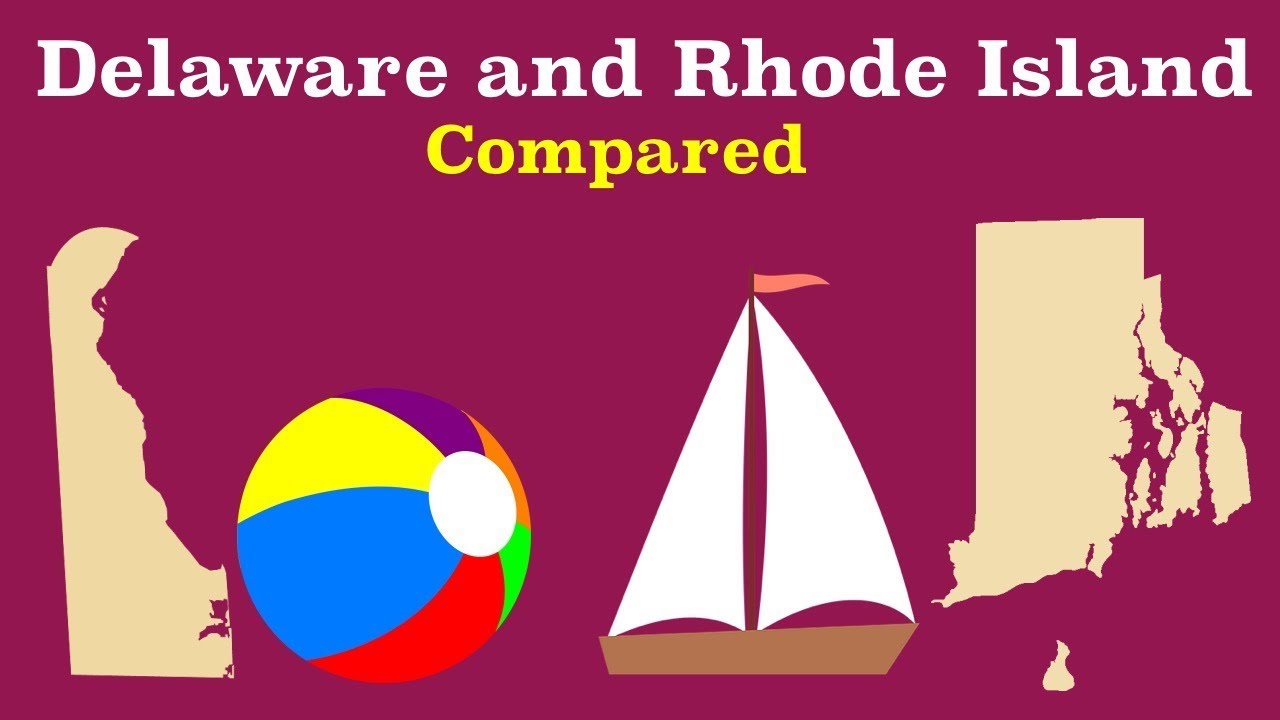
Introduction to the Population of Rhode Island
Rhode Island, also known as the Ocean State, is a small but densely populated state located in the New England region of the United States. Throughout its history, the population of Rhode Island has been shaped by various factors, including Native American inhabitants, European settlers, African slaves, and waves of immigrants. This article explores the diverse composition of Rhode Island’s population, highlighting the key groups that have contributed to its rich cultural tapestry.
Native American Inhabitants of Rhode Island
Prior to the arrival of European settlers, Rhode Island was inhabited by various Native American tribes. The Narragansett people were the largest and most powerful tribe in the region. They lived in villages and relied on fishing, hunting, and agriculture for sustenance. The peaceful coexistence between the Native Americans and the early European settlers in Rhode Island marked the early years of colonization.
Exploration and Colonization of Rhode Island
In 1524, Italian explorer Giovanni da Verrazzano became the first European to discover Rhode Island. However, it was not until 1614 that Dutch explorer Adriaen Block explored the region and established trade relations with the Native Americans. The English subsequently claimed Rhode Island, and in 1636, Roger Williams founded the colony of Providence Plantations, which would later become Rhode Island.
Early European Settlers in Rhode Island
The early European settlers in Rhode Island were primarily English Puritans seeking religious freedom. Roger Williams, a staunch advocate for separation of church and state, attracted settlers who were fleeing religious persecution in Massachusetts. Additionally, Anne Hutchinson, another religious dissenter, played a significant role in attracting settlers to Rhode Island. The towns of Providence, Newport, and Warwick were established during this period.
African Slaves in Rhode Island
Like many other American colonies, Rhode Island relied on the labor of enslaved Africans. The slave trade played a prominent role in the state’s economy during the 18th century. Rhode Island merchants, such as the renowned Brown family, were actively involved in the transatlantic slave trade. Though the importation of slaves was later abolished, the legacy of slavery in Rhode Island continued to shape the state’s population and culture.
Immigrants in Rhode Island: Early Waves
Rhode Island experienced waves of immigration throughout its history. In the 19th century, the state attracted immigrants from Ireland, England, Scotland, and Germany. These immigrants were drawn to Rhode Island’s industrialization and the opportunities it presented for employment in factories and mills. They settled in cities like Providence and Pawtucket, contributing to the growth of the state’s urban areas.
Immigrants in Rhode Island: Late 19th Century
During the late 19th century, Rhode Island experienced a significant influx of immigrants from Southern and Eastern Europe. Many came from countries such as Italy, Poland, and Russia, seeking better economic opportunities. These immigrants settled in cities like Providence and Woonsocket, where they found work in manufacturing and textile industries. Their cultural heritage and traditions continue to shape the state’s identity today.
Ethnic Diversity in Rhode Island Today
Rhode Island remains one of the most ethnically diverse states in the United States. While the majority of the population identifies as White, there are significant populations of Hispanic, African American, Asian, and Native American residents. The state’s diverse population adds to its vibrant cultural landscape, with various ethnic festivals, cuisines, and traditions celebrated throughout the year.
Religious Composition of Rhode Island
Religious diversity has been a defining feature of Rhode Island since its founding. The state’s commitment to religious freedom attracted followers of various faiths, including Baptists, Quakers, Jews, and Catholics. Today, Rhode Island is home to a wide range of religious communities, with Christianity being the predominant religion. However, there is also a growing presence of other faiths, such as Islam and Buddhism.
Urban vs. Rural Population in Rhode Island
Rhode Island is known for its dense urban areas, particularly in and around Providence. The majority of the state’s population resides in cities and suburban areas, while rural areas are less populated. The concentration of population in urban areas can be attributed to the state’s industrial past, with cities like Providence becoming economic and cultural hubs.
Social and Economic Factors Shaping Rhode Island’s Population
Several social and economic factors have shaped the population of Rhode Island. The state’s industrialization in the 19th and early 20th centuries, particularly in manufacturing and textiles, attracted waves of immigrants seeking employment. Additionally, the decline of these industries in the late 20th century led to shifts in population as people sought opportunities in other states. Economic factors, such as job availability and cost of living, continue to influence population patterns in Rhode Island.
Conclusion: Rhode Island’s Multifaceted Population
Throughout its history, the population of Rhode Island has been marked by diversity and constant change. From the Native American inhabitants to the early European settlers, African slaves, and waves of immigrants, each group has played a vital role in shaping the cultural fabric of the state. Rhode Island’s multifaceted population reflects its commitment to religious freedom, economic opportunities, and the pursuit of a better life. As a result, the state continues to embrace its diversity and celebrate the various communities that call Rhode Island home.