Is Rhode Island Real ID compliant?

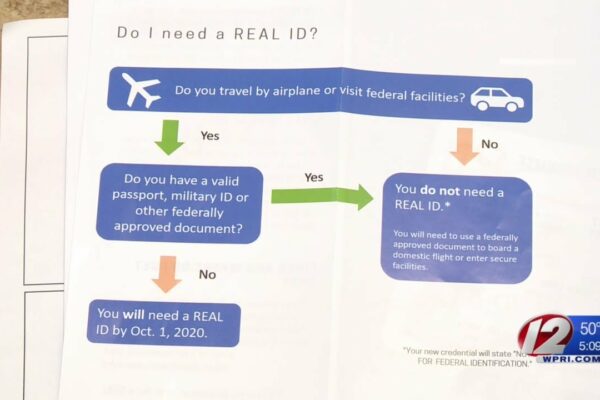
Rhode Island residents may wonder if their state is Real ID compliant. The answer is yes. Rhode Island began issuing Real ID compliant licenses and IDs on December 3, 2018. This means that residents can use their Rhode Island IDs for domestic air travel and accessing federal facilities. Make sure to renew your ID before it expires to ensure compliance.
Read More

Is there state-sponsored disability support available in Rhode Island?

Rhode Island residents with disabilities may find relief through state-sponsored disability support programs. The state offers a range of services including financial assistance, vocational rehabilitation, and healthcare programs. These initiatives aim to enhance the quality of life and promote independence for individuals living with disabilities. Eligibility requirements and specific benefits may vary, so it is advisable to contact the Rhode Island Department of Human Services for detailed information.

Read More

Is the land at Rocky Point owned by the state of Rhode Island?

The question of land ownership at Rocky Point has long intrigued Rhode Islanders. According to official records, the state of Rhode Island indeed owns this picturesque coastal area. This article delves into the historical background and legal aspects surrounding the land at Rocky Point, shedding light on the state’s ownership and the implications it holds for conservation efforts and public access.

Read More

Does Rhode Island use salt or sand?

Rhode Island, a small coastal state in the United States, takes winter snow and ice management seriously. When it comes to combating slippery road conditions, the state primarily relies on the use of salt rather than sand. This decision is based on the effectiveness of salt in melting ice and preventing its formation. By understanding Rhode Island’s preference for salt during winter weather events, residents can better prepare themselves for safer travels on the state’s roadways.

Read More

What similarities can be found between Rhode Island and Pennsylvania colonies?

Rhode Island and Pennsylvania colonies, despite their geographic and cultural differences, share several striking similarities. Both colonies were initially founded as havens for religious freedom and tolerance, with Rhode Island welcoming various religious groups and Pennsylvania offering refuge to Quakers. Additionally, both colonies developed democratic governments, granting power to the people through representative assemblies. Their commitment to religious freedom and democratic principles became defining features of these colonies, setting them apart from their English counterparts. Despite their unique histories, Rhode Island and Pennsylvania can be seen as beacons of religious tolerance and democratic ideals in the early American colonies.

Read More

Is it mandatory for the Rhode Island School of Design to have SAT scores for admission?

The Rhode Island School of Design (RISD) does not require SAT scores for admission. Instead, they consider a holistic approach, focusing on an applicant’s portfolio, academic record, recommendations, and personal statement. RISD believes that creativity cannot be accurately measured by standardized tests and aims to provide equal opportunities for students to showcase their artistic abilities and potential.

Read More

Is Tufts Health Plan operational in Rhode Island?

Tufts Health Plan, a renowned health insurance provider, is indeed operational in Rhode Island. With a focus on delivering comprehensive and high-quality healthcare coverage, Tufts Health Plan offers a range of plans tailored to meet the unique needs of individuals and businesses in the state. Residents of Rhode Island can confidently rely on Tufts Health Plan for their health insurance needs.

Read More

Are religious vaccine exemptions available in Rhode Island?

Title: Understanding Religious Vaccine Exemptions in Rhode Island In Rhode Island, religious vaccine exemptions are available to individuals who hold sincere religious beliefs that conflict with immunization. However, obtaining such an exemption requires meeting specific criteria and adhering to state regulations. This article aims to provide a comprehensive overview of religious vaccine exemptions in Rhode Island, exploring the eligibility requirements, application process, and potential implications for public health.

Read More