Introduction: The presence of bats in Rhode Island
Rhode Island, the smallest state in the United States, is home to a diverse range of wildlife. Among the various species that inhabit this New England state, bats are indeed present. Despite their relatively elusive nature, bats can be found in Rhode Island, contributing to the state’s biodiversity. Understanding the bat species and their role in the ecosystem is essential for promoting coexistence and protecting their populations.
Understanding the bat species in Rhode Island
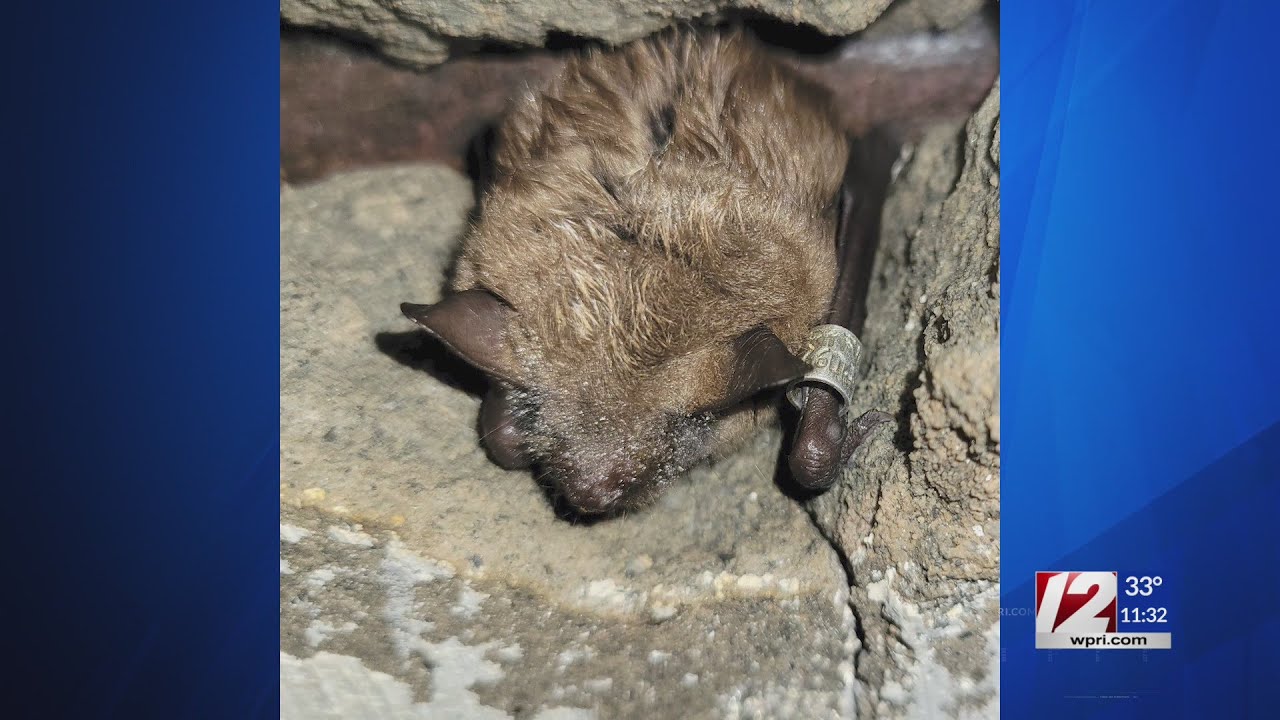
Rhode Island is home to several bat species, including the little brown bat (Myotis lucifugus) and the big brown bat (Eptesicus fuscus). These species are known for their adaptability and ability to thrive in various habitats. The little brown bat, for instance, is a small insectivorous bat commonly found in forests and residential areas. The big brown bat, on the other hand, has a larger size and can be seen roosting in attics, barns, and other man-made structures.
Bat habitats and roosting locations in the state
Bats in Rhode Island have specific habitat requirements for roosting and foraging. They typically prefer areas near water sources, such as rivers, ponds, and wetlands. Forested areas with ample insect populations also provide ideal foraging grounds for bats. When it comes to roosting, bats often seek out sheltered locations such as caves, tree hollows, and rock crevices. In urban areas, they may utilize man-made structures like barns, attics, and bridges as roosting sites.
Factors influencing bat populations in Rhode Island
Various factors influence the population dynamics of bats in Rhode Island. One crucial factor is the availability of suitable roosting and foraging habitats. Destruction and fragmentation of forests, wetlands, and other natural areas can disrupt these habitats, impacting bat populations. Climate change and pesticide use also pose threats to bats by altering their food source availability and overall ecosystem health.
The role of bats in Rhode Island’s ecosystem
Bats play a crucial role in Rhode Island’s ecosystem as insectivorous mammals. They provide valuable pest control services by consuming vast numbers of insects each night, including mosquitos and agricultural pests. This natural pest control service helps mitigate the spread of diseases and reduce crop damage. Additionally, some bat species are important pollinators, aiding in the reproduction of various plant species.
Common misconceptions about bats in the state
Despite their ecological importance, bats often face negative perceptions and misconceptions. One common misconception is that all bats carry rabies or are aggressive towards humans. In reality, the incidence of rabies in bats is low, and they generally avoid human contact. Bats are shy and primarily active at night, preferring to avoid humans altogether. Educating the public about the true nature of bats is crucial to dispel these misconceptions.
Rhode Island’s efforts to protect bat populations
Rhode Island has taken various measures to protect and conserve bat populations. State agencies and nonprofit organizations work together to raise awareness about bats’ importance and the threats they face. These initiatives focus on implementing protective measures, habitat conservation, and public education programs to foster coexistence and ensure the survival of bat populations in the state.
Monitoring and research on bats in the state
To better understand the bat populations in Rhode Island, ongoing monitoring and research efforts are in place. Researchers employ techniques such as acoustic surveys and mist-netting to gather data on bat species distribution, population sizes, and migration patterns. This research helps inform conservation strategies and ensures the effectiveness of management plans.
Threats and challenges faced by bats in Rhode Island
Bats in Rhode Island face various threats and challenges that put their populations at risk. White-nose syndrome, a fungal disease affecting hibernating bats, has caused significant declines in bat populations across the state. Loss of habitat due to urbanization and land-use changes, as well as pesticide use, also pose significant threats. Additionally, climate change-induced shifts in insect populations and extreme weather events can impact the availability of food resources for bats.
What to do if you encounter a bat in Rhode Island
If you encounter a bat in Rhode Island, it is essential to remember that bats are not aggressive and pose minimal health risks if left undisturbed. If a bat is found indoors, it is recommended to open windows or doors to allow the bat to exit on its own. Avoid direct contact and do not attempt to handle the bat. If bitten or scratched by a bat, seek medical attention immediately, as a precaution against potential rabies transmission.
Bat conservation initiatives in Rhode Island
Rhode Island has implemented several bat conservation initiatives to protect these important creatures. Conservation efforts focus on raising awareness, promoting habitat protection, and reducing the use of harmful pesticides. Citizens are encouraged to participate in citizen science programs, such as monitoring bat populations and reporting bat sightings. By involving the public in conservation efforts, Rhode Island aims to ensure a future where bats can coexist harmoniously with humans.
Conclusion: Promoting coexistence with bats in Rhode Island
Bats are an integral part of Rhode Island’s ecosystem, providing valuable ecological services and contributing to the state’s biodiversity. Despite facing challenges and misconceptions, efforts to protect bat populations and promote coexistence are underway. By understanding the role of bats, conserving their habitats, and dispelling myths, Rhode Island can continue to thrive as a place where both humans and bats can coexist harmoniously.