Understanding the Bear Population in Rhode Island
Rhode Island, known for its small size and dense population, might not seem like the ideal habitat for bears. However, these majestic creatures do indeed exist in the state. Despite its urban landscape and limited forest cover, Rhode Island is home to a small but viable bear population. In this article, we will explore the presence of bears in Rhode Island, their historical significance, factors influencing their population, and the efforts being made to protect them.
Rhode Island’s Wildlife: A Closer Look at Bears
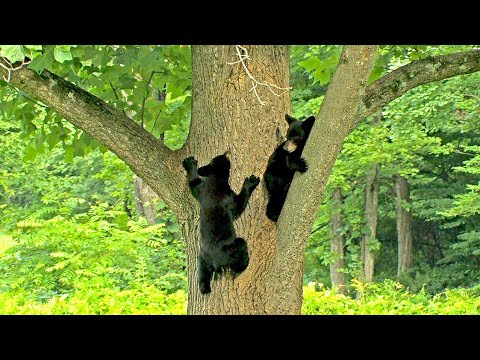
Bears are among the most iconic and charismatic species in Rhode Island’s wildlife. The state’s bear population consists mainly of the American black bear (Ursus americanus), a species known for its adaptability and wide distribution across North America. These bears typically have a stocky build, a black or dark brown coat, and a distinctive shoulder hump. Their diet primarily consists of fruits, nuts, insects, and plant matter. While bear sightings are relatively rare, encounters with humans have been reported, making it essential to understand their behavior and habitat.
The Historical Presence of Bears in Rhode Island
Historical records suggest that bears were once abundant in Rhode Island. Early settlers noted the presence of bears in the state’s dense forests, particularly in the western and central regions. However, as human populations expanded and deforestation occurred, the bear population declined. By the early 20th century, bears were considered extirpated from Rhode Island. Yet, due to successful conservation efforts in neighboring states, the bear population slowly rebounded, leading to their eventual return to Rhode Island.
Factors Influencing Bear Population in Rhode Island
Several factors influence the bear population in Rhode Island. Habitat is a critical factor, as bears require large tracts of forested areas to survive. The availability of food sources, such as acorns and berries, also impacts their population. Climate change and human activities, including development and fragmentation of their habitat, pose significant challenges to the bear population. Additionally, the presence of roads and highways can result in bear mortality due to vehicle collisions.
Bear Sightings: Myth or Reality in Rhode Island?
While bear sightings may be uncommon in Rhode Island, they are not a myth. Over the past few decades, there have been numerous confirmed bear sightings in the state. These sightings are often concentrated in rural and forested areas, away from densely populated regions. It is important to note that bears generally avoid human contact and pose little threat to public safety. However, it is crucial to remain vigilant and take appropriate precautions if encountering a bear.
Conservation Efforts to Protect Bears in Rhode Island
Rhode Island recognizes the importance of conserving its bear population and has implemented various measures to protect these animals. The Department of Environmental Management (DEM) plays a central role in managing and conserving wildlife, including bears, in the state. The DEM conducts monitoring programs, establishes guidelines for human-bear interactions, and promotes public education and awareness about bear conservation. These efforts aim to ensure the long-term survival of bears in Rhode Island.
Human-Bear Interactions in Rhode Island: What You Should Know
Human-bear interactions can occur in Rhode Island, although they are relatively rare. Bears are generally shy and will avoid confrontations with humans whenever possible. However, certain behaviors can attract bears, such as leaving out garbage or food scraps. It is crucial for residents and visitors to understand how to minimize human-bear conflicts by properly securing trash, removing bird feeders, and avoiding deliberate feeding of bears. By taking these precautions, the likelihood of negative interactions can be significantly reduced.
Bear Behavior and Habitat in Rhode Island
Understanding bear behavior and habitat is crucial for both the safety of humans and the conservation of bears in Rhode Island. Bears are primarily active during the early morning and late evening hours, and they tend to avoid human-populated areas. They require large areas of forest for denning, foraging, and movement. Forested regions such as the Arcadia Management Area and the western parts of the state provide suitable habitat for bears in Rhode Island.
Bear Conservation Laws and Policies in Rhode Island
Rhode Island has established specific laws and policies to protect bears and their habitat. These include regulations on hunting seasons, bag limits, and methods of take. The state also prohibits the deliberate feeding of bears, as it can alter their natural behavior and lead to increased human-bear conflicts. These conservation laws and policies are crucial for maintaining a balanced ecosystem and ensuring the long-term survival of bears in Rhode Island.
Bear Encounters in Rhode Island: Safety Tips and Guidelines
In the event of a bear encounter, it is important to prioritize safety for both humans and bears. The DEM advises individuals to remain calm and avoid approaching or running from the bear. Making loud noises, waving arms, and giving the bear an avenue of escape can help deter it. It is crucial not to feed bears or leave out attractants such as garbage or pet food. By following these safety guidelines, the likelihood of negative bear encounters can be minimized, ensuring the well-being of both bears and humans.
Rhode Island’s Future: The Fate of Bears
Rhode Island’s bear population faces numerous challenges, including habitat loss and fragmentation. As urbanization continues, it is vital to balance human development with the conservation of natural areas. By implementing sustainable land-use practices, protecting key forested habitats, and promoting public awareness, Rhode Island can secure a future for its bear population. Continued efforts from government agencies, conservation organizations, and the public are crucial to ensuring that bears remain a part of Rhode Island’s wildlife, enriching the state’s ecological landscape for generations to come.