
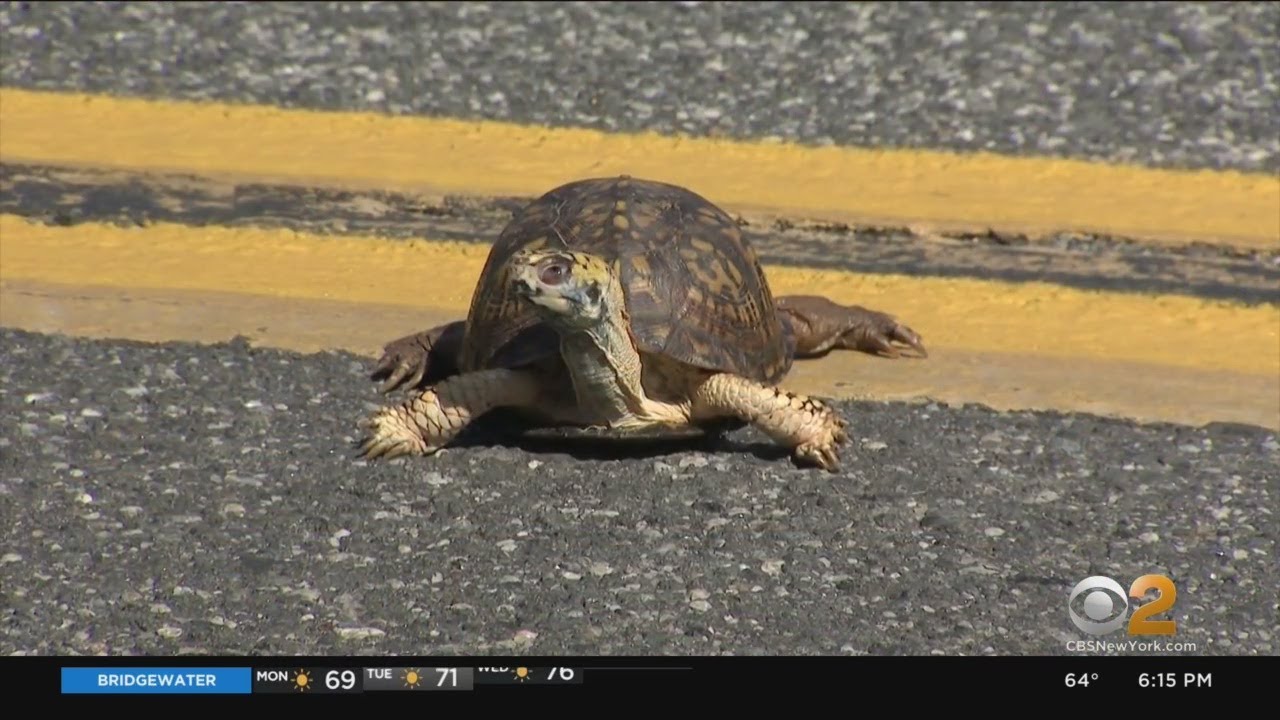
Introduction to wild turtles in Kingston, Rhode Island
Kingston, Rhode Island is not only a picturesque coastal town but also a haven for a diverse range of wildlife, including wild turtles. These fascinating creatures can be found inhabiting various habitats throughout the region. From ponds and marshes to wooded areas and even urban parks, Kingston provides an ideal environment for turtles to thrive. In this article, we will explore the different turtle species found in Kingston, the factors that attract them to the area, their distribution, and the importance of protecting these remarkable creatures.
Overview of turtle species found in Kingston
Kingston is home to several turtle species, each with its own unique characteristics and habitat preferences. The most common species found in the area include the Eastern painted turtle (Chrysemys picta), the snapping turtle (Chelydra serpentina), the common musk turtle (Sternotherus odoratus), and the Eastern box turtle (Terrapene carolina). These species vary in size, shell pattern, and behavior, making them a fascinating group of reptiles to observe.
Factors that attract wild turtles to Kingston
Several factors make Kingston an attractive location for wild turtles. The abundance of freshwater bodies, such as ponds and wetlands, provides ample opportunities for turtles to find food and suitable nesting sites. Additionally, the presence of diverse vegetation, including aquatic plants and dense shrubs, offers ample shelter and basking spots for these reptiles. The availability of suitable nesting areas and an abundance of prey make Kingston a prime habitat for turtles.
Habitat suitability for turtles in Kingston
The varied landscape in Kingston provides a wide range of habitats suitable for turtles. Ponds and marshes act as ideal breeding grounds, while adjacent woodlands offer shelter and protection. Turtles require both aquatic and terrestrial environments to fulfill their life cycle needs. The presence of clean water, an essential requirement for their survival, further enhances the suitability of Kingston as a turtle habitat.
Distribution of wild turtles in Kingston
Turtles can be found throughout Kingston, with their distribution varying based on their preferred habitat. Eastern painted turtles are commonly observed in ponds and marshy areas, while the snapping turtle is more likely to be found in larger bodies of water. The common musk turtle can be spotted in slow-moving streams and smaller ponds, while the Eastern box turtle is often found in wooded areas and forest edges. The distribution of these species across Kingston makes the town a hotspot for turtle enthusiasts.
Common sightings of wild turtles in Kingston
Residents and visitors in Kingston are frequently treated to awe-inspiring sightings of wild turtles. Eastern painted turtles, with their vibrant yellow and red markings, are often seen basking on rocks or logs near the water’s edge. Snapping turtles, with their large size and formidable appearance, can occasionally be spotted sunning themselves on the banks of ponds. The common musk turtle often remains hidden among vegetation but can sometimes be observed swimming gracefully in local waterways. Eastern box turtles, known for their distinct shell pattern, are occasionally seen slowly exploring the forest floor.
Conservation efforts for wild turtles in Kingston
Recognizing the ecological and cultural importance of turtles, conservation efforts are underway to protect these remarkable creatures in Kingston. Local organizations, such as the Kingston Wildlife Conservation Society, collaborate with government agencies and community members to raise awareness about the importance of turtle conservation. These efforts include habitat restoration, public education programs, and research initiatives to monitor turtle populations and ensure their long-term survival.
Potential threats to turtle populations in Kingston
Despite their resilience, wild turtles in Kingston face various threats that could impact their populations. Habitat loss due to urban development and the pollution of aquatic habitats pose significant challenges. Road mortality, as turtles often cross roads during nesting or migration, is another major threat. Additionally, illegal collection for the pet trade and predation by invasive species also put pressure on turtle populations in Kingston.
Importance of protecting wild turtles in Kingston
Protecting wild turtles in Kingston is crucial for maintaining the overall ecological balance of the region. These reptiles play a vital role in controlling insect populations and maintaining the health of local wetland ecosystems. Furthermore, turtles have cultural significance and are revered by many indigenous communities. Preserving their populations ensures the sustainability of these valuable natural resources for future generations.
Role of the community in turtle conservation in Kingston
The community plays a vital role in turtle conservation efforts in Kingston. By adopting responsible practices, such as avoiding harmful pesticides and properly disposing of waste, individuals can minimize pollution and protect turtle habitats. Additionally, reporting turtle sightings, particularly those of endangered species, to local conservation organizations and wildlife authorities can contribute to ongoing research and monitoring efforts.
How to identify and report wild turtle sightings in Kingston
Identifying and reporting wild turtle sightings in Kingston is an essential contribution to turtle conservation. To identify turtles accurately, it is crucial to observe their shell patterns, size, and behavior. Local field guides or online resources can help differentiate between species. When encountering a wild turtle, maintain a safe distance and avoid disturbing the animal. To report sightings, contact the Kingston Wildlife Conservation Society or the Rhode Island Department of Environmental Management. Providing details such as location, species, and photographs, if possible, can help researchers gain valuable insights into turtle populations.
Conclusion: Wild turtles thrive in Kingston, Rhode Island
Kingston, Rhode Island offers a welcoming habitat for a diverse range of wild turtle species. The availability of suitable nesting areas, ample food sources, and a variety of habitats make Kingston an ideal location for these reptiles. However, to ensure their long-term survival, it is crucial to address potential threats, protect their habitats, and promote responsible practices within the community. By fostering a harmonious relationship between humans and turtles, Kingston can continue to be a haven for these fascinating creatures for generations to come.