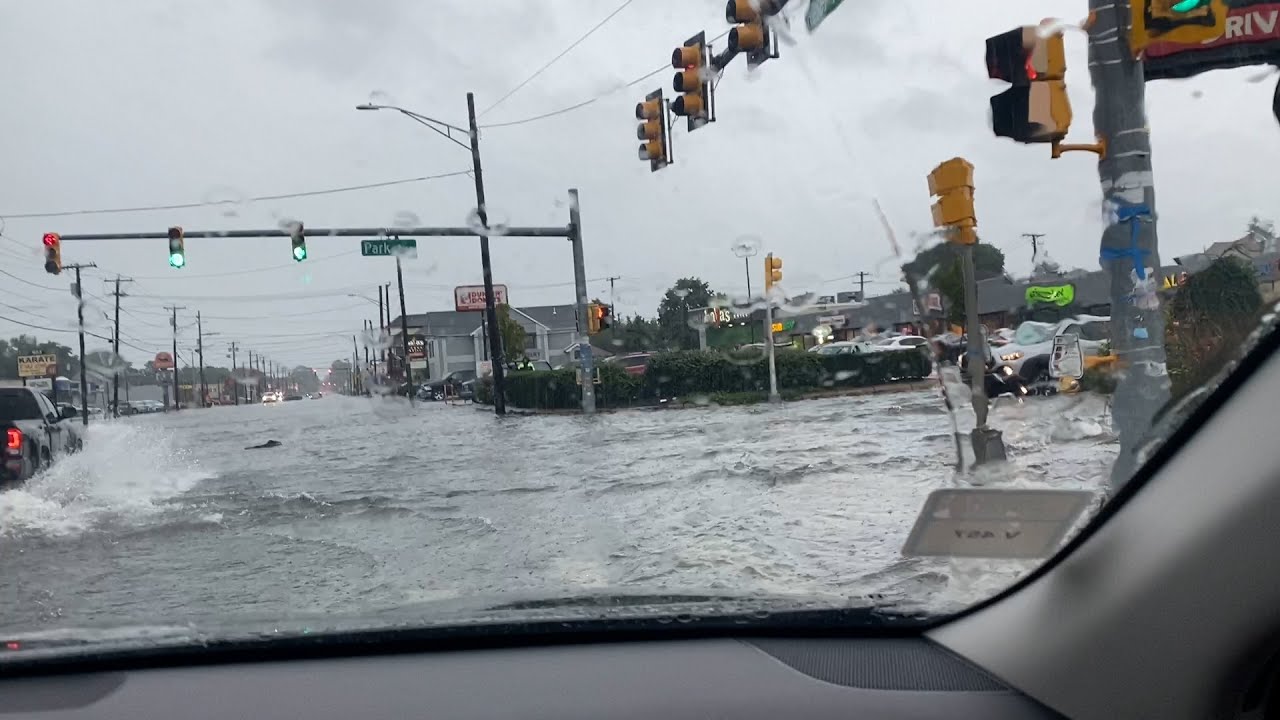
Does Rhode Island Experience Flooding?
Rhode Island, known as the Ocean State, is no stranger to flooding. Despite its small size, this coastal state faces significant flood risks due to its geographic location, climate patterns, and vulnerability to the impacts of climate change. Flooding events have occurred throughout Rhode Island’s history, with devastating consequences for both its residents and infrastructure. In response, the state has implemented various flood preparation and response measures, as well as initiatives to mitigate flood risks. However, the effectiveness of these measures depends on the evaluation of flood control infrastructure, understanding of local rivers and streams, and the influence of tides on flooding. Assessing the economic impact of flooding is also crucial in developing comprehensive strategies for managing flood risk.
Understanding the Geography of Rhode Island
Rhode Island’s geography plays a significant role in its susceptibility to flooding. With a total area of just over 1,200 square miles, it is the smallest U.S. state. However, its 400 miles of coastline and numerous rivers, including the Pawtuxet, Woonasquatucket, and Blackstone, make it particularly vulnerable to flooding. Additionally, the state’s low-lying coastal areas and densely populated urban centers further exacerbate the impact of flooding events.
The Impact of Climate Change on Flooding
Climate change has intensified the frequency and severity of flooding in Rhode Island. Rising sea levels, caused by global warming, pose a significant threat to the state’s coastal regions. The increased amount of precipitation and more intense storms associated with climate change also contribute to higher flood risks. As a result, Rhode Island must adapt to changing climate patterns and develop strategies to manage the effects of climate change on flooding.
Historical Flood Events in Rhode Island
Rhode Island has a long history of devastating flood events. One of the most notable was the Great New England Hurricane of 1938, which caused widespread destruction and loss of life. More recently, Tropical Storm Irene in 2011 and Hurricane Sandy in 2012 caused significant flooding in Rhode Island, resulting in extensive damage to homes, infrastructure, and natural resources.
Analyzing Rhode Island’s Flood Risk Factors
Several factors contribute to Rhode Island’s flood risk. The combination of its coastal location, low-lying areas, and dense urban development increases vulnerability. Furthermore, the state’s aging infrastructure, including outdated stormwater systems, can exacerbate flooding. Climate change-induced sea-level rise and more frequent and intense rainfall events further compound flood risks.
Flood Preparation and Response in Rhode Island
Rhode Island has implemented various measures to prepare for and respond to flooding. The state has established emergency management agencies that work closely with local governments, first responders, and federal agencies to coordinate flood response efforts. Additionally, public awareness campaigns educate residents about flood risks and the importance of preparedness, such as creating emergency kits and developing evacuation plans.
Rhode Island’s Efforts to Mitigate Flooding
In recognition of the need to address flood risks, Rhode Island has undertaken initiatives to mitigate flooding. These efforts include investing in floodplain mapping and flood risk assessment programs to identify areas prone to flooding. The state has also implemented regulations and building codes to ensure new developments consider flood risk, such as elevating structures and incorporating stormwater management practices.
Evaluating Rhode Island’s Flood Control Infrastructure
The effectiveness of flood control infrastructure is critical in managing flooding in Rhode Island. The state invests in systems like levees, flood walls, and pump stations to protect vulnerable areas. However, the evaluation of these structures for their capacity to handle increased flood risks due to climate change is essential. Maintenance and upgrades to existing infrastructure are crucial for optimal flood control performance.
The Role of Rivers and Streams in Rhode Island Flooding
Rhode Island’s rivers and streams significantly contribute to the state’s flooding. Heavy rainfall can cause these waterways to overflow their banks, leading to widespread inundation. Additionally, the presence of dams and bridges can impact water flow and exacerbate flooding in certain areas. Understanding the hydrology of rivers and streams helps develop effective flood management strategies.
The Effect of Tides on Rhode Island’s Flooding
Rhode Island’s coastal location exposes it to the influence of tides, which can exacerbate flooding. During high tide events, the combination of storm surges and increased water levels can cause significant coastal flooding. Additionally, the state’s extensive network of salt marshes and estuaries play a role in moderating flood impacts by absorbing excess water. Understanding the relationship between tides and flooding is crucial in developing effective flood risk management plans.
Assessing the Economic Impact of Flooding in Rhode Island
Flooding has significant economic consequences for Rhode Island. The damage to homes, businesses, and infrastructure can be extensive, resulting in costly repairs and disruptions to economic activity. Additionally, the loss of valuable natural resources, such as farmland and coastal habitats, can have long-term economic impacts. Evaluating the economic costs of flooding helps inform decision-making and prioritize investments in flood risk reduction.
Future Outlook: Rhode Island’s Flood Risk Management
Rhode Island recognizes the ongoing need to manage flood risks effectively. The state continues to invest in infrastructure upgrades, floodplain management, and public outreach efforts. It also collaborates with regional and national initiatives to address the challenges posed by climate change and coastal flooding. By adopting comprehensive flood risk management strategies, Rhode Island aims to enhance resilience and minimize the impact of future flooding events.