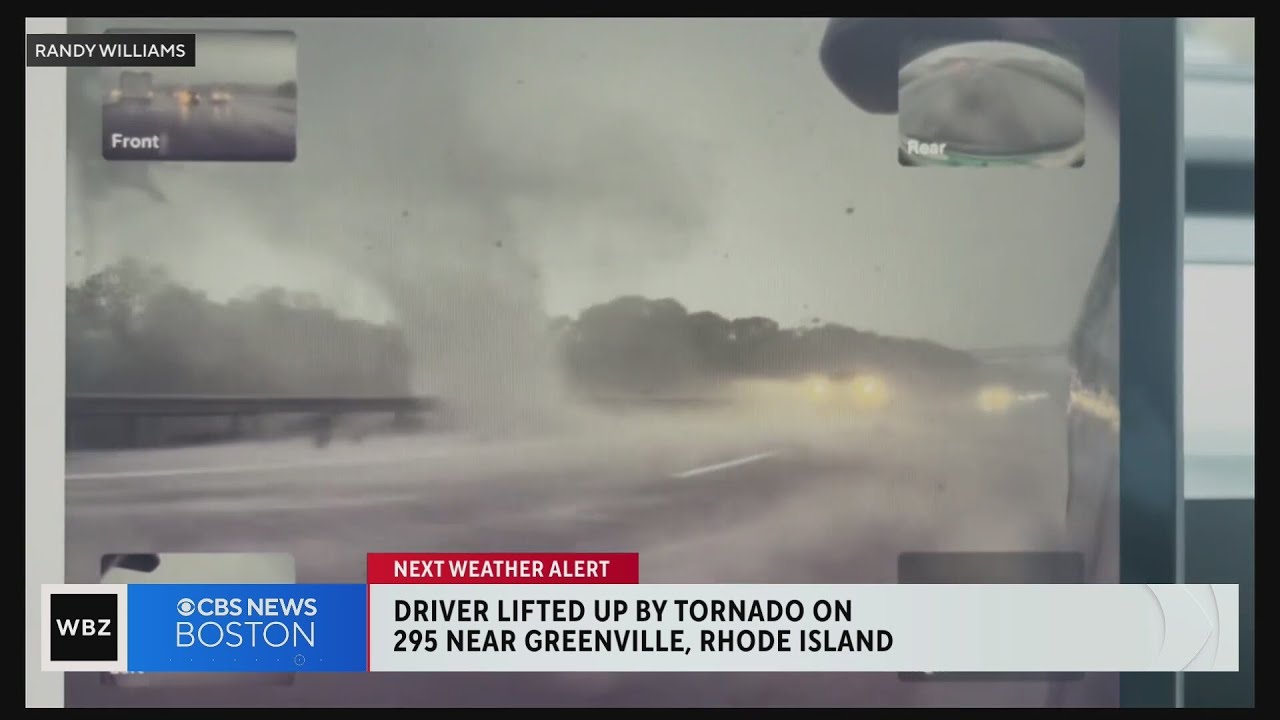
Introduction: Tornadoes in Rhode Island
Tornadoes are one of nature’s most destructive forces, capable of causing widespread damage and destruction. However, when it comes to tornadoes, Rhode Island is not typically the first state that comes to mind. Located in the New England region of the United States, Rhode Island is known for its picturesque coastline, historic landmarks, and vibrant cities. But does this small state ever experience tornadoes? In this article, we will explore the historical record of tornadoes in Rhode Island, examine the state’s climate and geography, and discuss the science behind tornado formation. Additionally, we will delve into the measures taken to ensure the safety of Rhode Islanders in the event of a tornado.
Understanding Tornadoes: Definition and Characteristics
Before delving into Rhode Island’s tornado history, it is important to understand what exactly a tornado is. A tornado is a violently rotating column of air that is in contact with both the surface of the Earth and a cumulonimbus cloud. Tornadoes are typically characterized by their funnel shape, with swirling winds that can reach speeds of over 200 miles per hour. They can vary in size and intensity, ranging from weak tornadoes that cause minimal damage to the most powerful ones that can leave a devastating path of destruction.
Rhode Island’s Climate: Can Tornadoes Occur?
Rhode Island’s climate is mostly influenced by its proximity to the Atlantic Ocean and the Gulf Stream. The state experiences humid summers and cold winters, with a mix of rainy and snowy weather. Due to its coastal location, Rhode Island is prone to nor’easters, which are powerful storms that can bring heavy rain, strong winds, and even blizzard conditions. However, tornadoes are not commonly associated with this region. The state’s cool oceanic climate and relatively small size make it less favorable for tornado formation compared to other parts of the United States.
Historical Records: Tornadoes in Rhode Island
When reviewing the historical records, it becomes clear that Rhode Island has experienced tornadoes, albeit on a relatively infrequent basis. The state has had several documented tornadoes throughout its history, though they have been relatively few and far between. The occurrence of tornadoes in Rhode Island is much lower compared to states in the infamous "Tornado Alley" such as Kansas and Oklahoma. However, this does not discount the potential danger that tornadoes can pose to the state and its residents.
Examining the Data: Tornado Activity in the State
Data collected over the years shows that Rhode Island typically experiences one or two tornadoes annually, on average. These tornadoes are often classified as weak, with winds reaching speeds of 75 to 110 miles per hour. However, it is important to note that tornadoes can vary widely in intensity, and even weaker tornadoes can still cause significant damage and pose a threat to safety. The majority of tornadoes in Rhode Island occur between the months of May and September, during the peak of the state’s severe weather season.
Notable Tornadoes: Rhode Island’s Most Memorable Events
While tornadoes may be relatively infrequent in Rhode Island, the state has had its share of memorable tornado events. One notable tornado occurred on August 7, 1978, when an F2 tornado touched down in the town of West Warwick. This tornado caused extensive damage to buildings, trees, and power lines, resulting in injuries and widespread power outages. Another significant tornado event took place on October 23, 2019, when an EF1 tornado struck the town of Lincoln. This tornado caused damage to homes and vehicles, further highlighting the potential impact of tornadoes in the state.
Assessing Risk: Tornado Frequency and Severity
When assessing the risk of tornadoes in Rhode Island, it is important to consider both the frequency and severity of these events. While the frequency of tornadoes is relatively low compared to other states, the potential severity should not be underestimated. Tornadoes, even weaker ones, can still cause significant damage and pose a threat to human life. Therefore, it is crucial for Rhode Islanders to remain vigilant and prepared, especially during the peak tornado season, to mitigate the potential risks associated with these natural disasters.
The Science Behind Tornado Formation in Rhode Island
Tornadoes typically form when there is a clash of warm, moist air from the Gulf of Mexico and cooler, drier air from Canada. In Rhode Island, these conditions are less common due to the state’s coastal location and its cooler, oceanic climate. However, when atmospheric conditions are just right, tornadoes can still form. The occurrence of strong frontal systems, thunderstorms, and other weather phenomena can create the necessary conditions for tornado formation, albeit on a less frequent basis compared to regions with a more favorable climate.
Tornadoes and Rhode Island’s Geography
Rhode Island’s geography also plays a role in tornado formation within the state. The relatively small size of Rhode Island and its coastal location can impact tornado development. The presence of bodies of water, such as Narragansett Bay, can modify the air masses and disrupt the conditions necessary for tornado formation. Additionally, the hilly terrain of Rhode Island can influence tornado behavior, causing them to weaken or dissipate more quickly. However, it is important to note that these factors do not eliminate the possibility of tornadoes occurring in the state.
Tornado Safety: Preparedness and Response Measures
While tornadoes in Rhode Island may be less frequent compared to other areas, it is crucial for residents to be prepared and knowledgeable about tornado safety measures. Creating an emergency plan, identifying a safe location within the home, and having a disaster supply kit are important steps in tornado preparedness. Staying informed about weather conditions and being aware of tornado watches and warnings can also help individuals take timely and appropriate action. Education about tornado safety should be a priority for residents and local authorities to ensure the well-being of Rhode Islanders in the event of a tornado.
Early Warning Systems: Protecting Rhode Islanders
To protect Rhode Islanders from the potential impact of tornadoes, early warning systems play a crucial role. The National Weather Service provides tornado watches and warnings, allowing residents to take necessary precautions when a tornado is imminent. Additionally, advancements in technology, such as weather radar and emergency alert systems, have further improved the ability to detect and track tornadoes. These early warning systems provide valuable time for individuals to seek shelter and take measures to protect themselves and their property.
Conclusion: Reflecting on Rhode Island’s Tornado History
Although tornadoes are not as common in Rhode Island compared to other states, the potential for tornadoes to occur still exists. Rhode Island has experienced tornadoes in the past, and the state’s climate and geography can contribute to the formation and behavior of these natural disasters. It is important for residents to remain vigilant, prepared, and knowledgeable about tornado safety measures. By understanding the history, science, and risks associated with tornadoes, Rhode Islanders can better protect themselves and their communities in the face of these powerful storms.