Introduction: The seismic history of Rhode Island
Rhode Island, the smallest state in the United States, known for its picturesque coastline and historic significance, may not be commonly associated with earthquakes. However, this does not mean that the region is completely immune to seismic activity. Over the years, the state has experienced a number of earthquakes, albeit infrequent and relatively minor in magnitude. This article aims to explore the seismic history of Rhode Island, examine its geographical and geological features, and shed light on the potential for future earthquake occurrences.
Understanding earthquakes: Causes and characteristics
Before delving into Rhode Island’s seismic history, it is essential to have a basic understanding of earthquakes. Earthquakes occur when there is a sudden release of energy in the Earth’s crust, leading to ground shaking. These disturbances are caused by the movement of tectonic plates, the large pieces of the Earth’s lithosphere that float on the semi-fluid asthenosphere beneath them. The energy released during an earthquake travels in the form of seismic waves that can cause significant damage to property and infrastructure.
The tectonic activity in the New England region
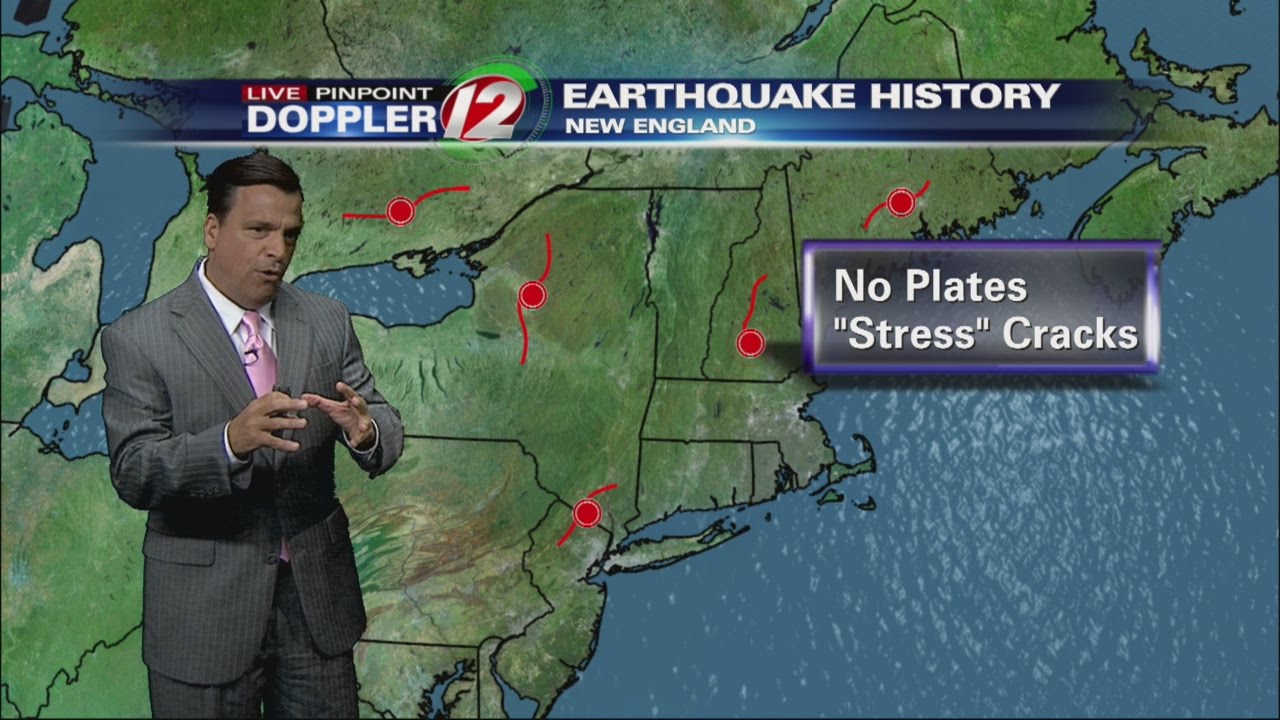
Rhode Island is located in the New England region of the United States, which is positioned on the eastern margin of the North American Plate. Geologically, this region is complex, with various tectonic forces at play. The primary tectonic activity affecting the area is associated with the Mid-Atlantic Ridge, a divergent boundary between the North American Plate and the Eurasian Plate. However, the influence of this boundary on Rhode Island is minimal.
Examining the geological features of Rhode Island
Rhode Island’s geological makeup is predominantly characterized by its proximity to the Appalachian Mountains and the Atlantic Ocean. The state comprises a mix of sedimentary, igneous, and metamorphic rocks. The presence of these diverse rock types contributes to the region’s overall stability and low seismic activity. The absence of major fault lines in Rhode Island further reduces the likelihood of significant earthquakes.
Historical records: Tracing past earthquake occurrences
While not widely known for seismic activity, Rhode Island has experienced notable earthquakes throughout its history. One of the earliest recorded earthquakes in the area dates back to 1638 when a moderate earthquake rattled the region. Subsequently, in 1755, the infamous Lisbon earthquake, one of the most destructive earthquakes in European history, caused tremors to be felt in Rhode Island. More recently, in 1973, a tremor with a magnitude of 4.8 struck the state, causing minor damage and generating public interest in Rhode Island’s seismic activity.
Notable earthquakes in neighboring states
Despite Rhode Island’s infrequent seismic events, neighboring states have experienced more significant earthquakes. In 1755, the aforementioned Lisbon earthquake caused tremors that were felt as far as Massachusetts and Connecticut. Additionally, in 1884 and 1944, the states of Massachusetts and New Hampshire experienced earthquakes with magnitudes of 5.3 and 5.8, respectively. Although these events did not directly impact Rhode Island, they highlight the regional seismic potential that the state is situated within.
Expert insights: Assessing Rhode Island’s earthquake potential
Experts agree that while Rhode Island is not considered a high-risk area for earthquakes, the state is not completely exempt from seismic activity. Due to its geological stability and limited tectonic influence, the potential for large, destructive earthquakes occurring in Rhode Island remains low. However, it is important to note that even relatively small earthquakes can cause damage to vulnerable infrastructure and create hazards within the state.
Seismic monitoring: Rhode Island’s surveillance network
To stay vigilant and prepared, Rhode Island maintains a comprehensive seismic monitoring network. The state, in collaboration with regional and national agencies, utilizes a network of seismometers strategically placed throughout the region. These instruments detect and record even the slightest ground movements, enabling scientists to monitor earthquake activity and provide timely information to emergency management agencies.
The impact of earthquakes on Rhode Island’s infrastructure
Due to the infrequency and relatively low magnitude of earthquakes in Rhode Island, the impact on the state’s infrastructure has been limited. However, buildings and infrastructure that were not designed with seismic events in mind can still suffer significant damage, particularly during larger earthquakes. It is crucial for Rhode Island to continue implementing building codes and infrastructure standards that consider seismic resilience to ensure the safety of its residents and minimize potential losses.
Preparing for the inevitable: Rhode Island’s earthquake preparedness
Rhode Island recognizes the importance of being prepared for earthquakes, even if the likelihood of a major event is low. The state has developed comprehensive emergency response plans, which include protocols for evacuations, search and rescue operations, and public communication. Additionally, Rhode Island regularly conducts drills and exercises to test its emergency preparedness and improve response capabilities. It is essential for residents to be aware of these plans and actively participate in community preparedness efforts.
Public awareness and education: Spreading earthquake knowledge
To ensure the public is well-informed about earthquake risks and preparedness, Rhode Island invests in public awareness and education campaigns. The state disseminates information through various channels, including websites, brochures, and public seminars. Educational programs are also offered in schools and community centers to teach residents about earthquake safety measures, such as "Drop, Cover, and Hold On" techniques. By promoting earthquake knowledge, Rhode Island aims to empower its residents to mitigate risks and respond effectively in the event of an earthquake.
Conclusion: Rhode Island’s future in earthquake research
Rhode Island’s seismic history, while relatively uneventful compared to other regions, highlights the importance of understanding and preparing for earthquakes. With a low likelihood of significant seismic events, the state’s focus lies in maintaining its surveillance network and enhancing public awareness and education. By investing in earthquake research and preparedness measures, Rhode Island can continue to ensure the safety and resilience of its communities, even in the face of uncertain seismic activity.