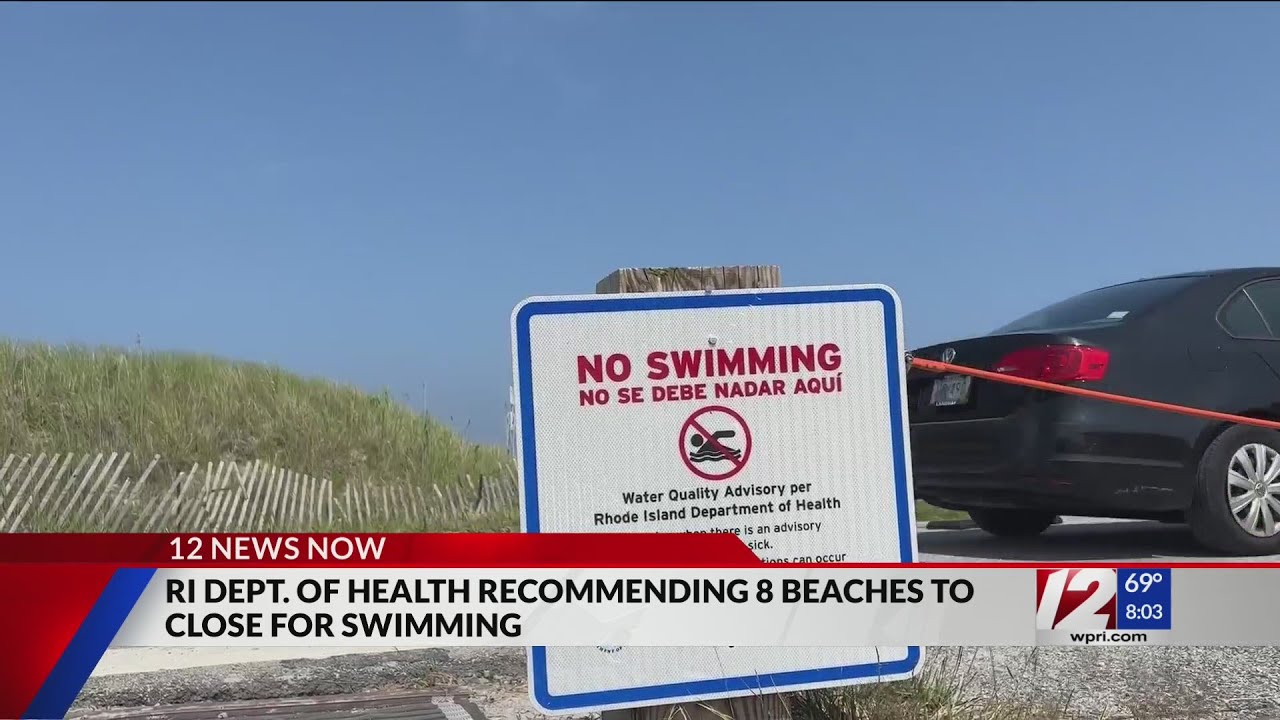
Introduction: Status of Rhode Island Beaches
Rhode Island, known for its picturesque coastline and beautiful beaches, has been facing unprecedented challenges in managing its beach resources due to the COVID-19 pandemic. As one of the most popular destinations for locals and tourists alike, the closure of these beaches has had a significant impact on the state’s economy and the well-being of its residents. This article aims to provide an overview of the current status of Rhode Island beaches, the reasons behind their closure, and the measures being taken to ensure a safe reopening.
Beach Closures due to COVID-19 Pandemic
In response to the rapidly spreading COVID-19 pandemic, Rhode Island, like many other states, made the difficult decision to temporarily close its beaches. These closures were implemented to prevent large gatherings and minimize the risk of virus transmission among beachgoers. With the inherent challenges of social distancing and limited capacity, closing the beaches was deemed necessary to prioritize public health and safety.
Rhode Island Beaches: Current Restrictions
While the beaches in Rhode Island are gradually reopening, there are still several restrictions in place to ensure the well-being of visitors. These restrictions include reduced beach capacity, limitations on parking spaces, and mandatory face coverings in common areas. Additionally, recreational activities such as team sports and large gatherings continue to be prohibited. These measures aim to enforce social distancing guidelines and prioritize the health of both visitors and staff members.
Assessing the Impact of COVID-19 on Beaches
The closure of Rhode Island beaches has had a significant impact on the local economy, as it heavily relies on tourism and beach-related activities. Small businesses, such as beachfront restaurants and shops, have experienced a sharp decline in revenue, with many struggling to stay afloat. Furthermore, the closure has affected the mental well-being of residents who rely on the beaches for relaxation and recreation. It is essential to strike a balance between public health measures and the reopening of beaches to mitigate the long-term repercussions.
Reopening Rhode Island Beaches: Phased Approach
Rhode Island has adopted a phased approach to reopening its beaches, taking into account various factors such as the number of COVID-19 cases, hospital capacity, and public compliance with safety guidelines. The phased approach allows for a gradual increase in beach capacity and recreational activities, with careful monitoring of the situation. It ensures that reopening decisions are made based on data-driven assessments and the ability to maintain public health and safety standards.
Guidelines for Visitors: Beach Etiquette
To ensure a safe and enjoyable experience for all, Rhode Island has established guidelines for visitors to follow when visiting the beaches. These guidelines include maintaining a minimum of six feet of distance from others, wearing face coverings when social distancing is not possible, and practicing proper hygiene by frequently washing hands or using hand sanitizers. Visitors are also encouraged to bring their own beach accessories, such as chairs and umbrellas, to minimize shared surfaces.
Monitoring Beach Capacity: Ensuring Safety
To prevent overcrowding and maintain social distancing protocols, Rhode Island has implemented measures to monitor beach capacity. Some beaches have established reservation systems, whereby visitors need to reserve a spot in advance to ensure their access. This approach allows for better control of the number of people present on the beach at any given time, reducing the risk of overcrowding and facilitating contact tracing if necessary.
Balancing Public Health and Tourism: Challenges Faced
Managing Rhode Island beaches during the COVID-19 pandemic has presented a delicate balancing act between protecting public health and reviving tourism. The state must navigate the challenges of reopening while adequately managing the risk of virus transmission. Striking the right balance requires constant communication and collaboration with local health departments, beach managers, and the public, ensuring that decisions prioritize the well-being of both residents and visitors.
Beach Precautions: Protecting Visitors and Staff
To safeguard the health and safety of visitors and staff members, Rhode Island beaches have implemented various precautions. These measures include enhanced cleaning and sanitization of facilities, providing hand sanitizing stations throughout the beach area, and training staff members on COVID-19 safety protocols. By implementing these precautions, the state aims to create a safe environment for all beachgoers and minimize the risk of virus transmission.
Rhode Island’s Success in Managing Beaches
Rhode Island’s approach to managing its beaches during the COVID-19 pandemic has garnered praise for its cautious and data-driven strategy. The phased reopening has allowed the state to monitor the situation closely and make informed decisions based on the evolving circumstances. By prioritizing public health while gradually reopening beaches, Rhode Island has demonstrated a commitment to its residents’ well-being and the preservation of its important tourism industry.
Future Outlook: When Will Beaches Fully Reopen?
While the reopening of Rhode Island beaches is underway, it is challenging to predict when they will fully reopen without restrictions. The timeline for a complete return to pre-pandemic conditions depends on several factors, including the progress of vaccination campaigns, the emergence of new COVID-19 variants, and the collective adherence to safety guidelines. However, with a continued focus on public health measures and responsible behavior, the state remains optimistic about a gradual return to normalcy.
Conclusion: Rhode Island Beaches – A Cautionary Tale
Rhode Island’s experience with beach closures during the COVID-19 pandemic serves as a cautionary tale for other coastal regions grappling with similar challenges. The closure of beaches had a significant impact on the state’s economy and the well-being of its residents. However, through careful planning, monitoring, and adherence to safety guidelines, Rhode Island has successfully managed the reopening process, striking a balance between public health and tourism. As the state continues its phased approach, it remains committed to ensuring the safety of beachgoers and protecting the vibrant coastal resources that make Rhode Island a beloved destination.