The Historical Background of Rhode Island Colonists
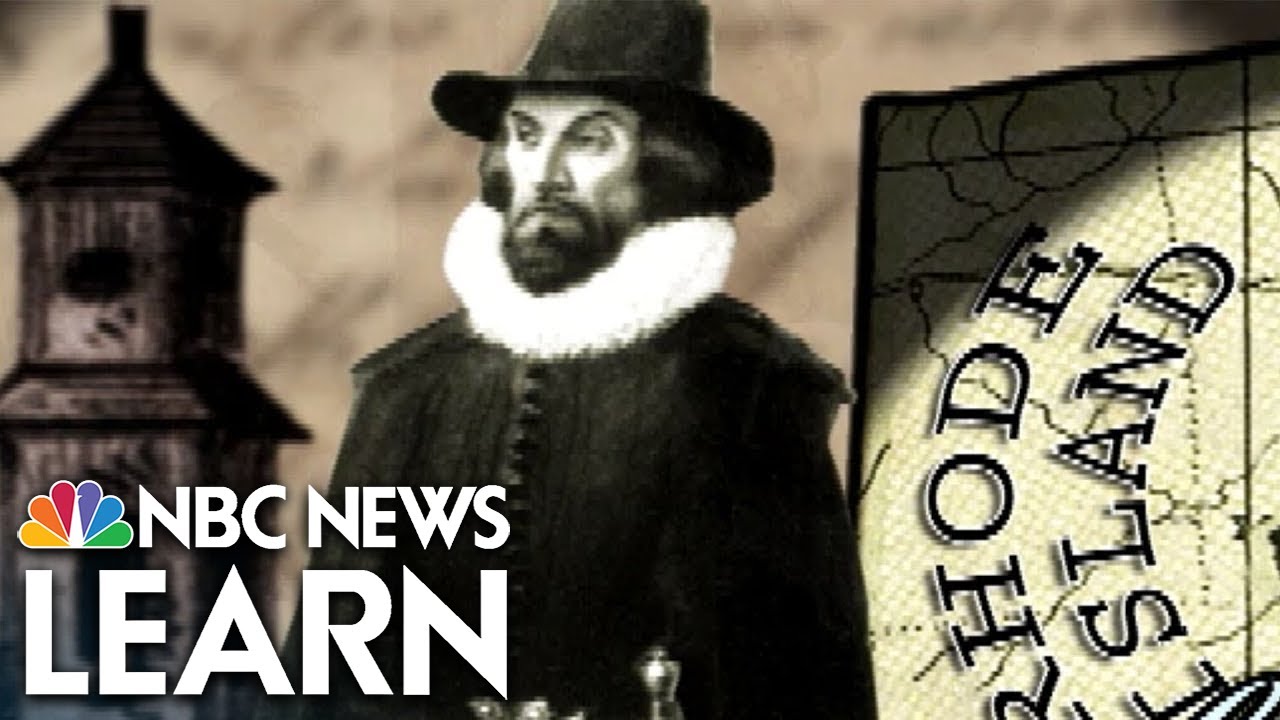
Rhode Island, one of the original thirteen colonies, was founded in 1636 by Roger Williams, a religious dissenter fleeing persecution in the Massachusetts Bay Colony. The early colonists of Rhode Island were motivated by a desire for religious freedom and the opportunity to establish a society based on their own principles. This historical background played a crucial role in shaping the identity of Rhode Island colonists.
Factors Influencing Identity Formation in Rhode Island
Several factors influenced the identity formation of Rhode Island colonists. Firstly, the religious diversity within the colony allowed individuals to practice their faith freely, leading to a strong sense of religious tolerance and individualism. Additionally, Rhode Island’s unique political structure, emphasizing democratic principles and local governance, fostered a sense of political autonomy and self-identification.
Religious Affiliation: A Key Aspect of Identity
Religious affiliation was a key aspect of identity for Rhode Island colonists. Many colonists identified themselves based on their religious beliefs and affiliations. While some remained loyal to the Anglican Church, others were Puritans, Quakers, Baptists, or members of various other religious groups. Rhode Island’s commitment to religious freedom allowed individuals to openly express their religious identities without fear of persecution.
Political Beliefs and Values of Rhode Island Colonists
The political beliefs and values of Rhode Island colonists were influenced by their desire for self-governance and religious freedom. Colonists held strong democratic values, such as the belief in individual rights, freedom of speech, and the importance of local governance. These values shaped their political identity and gave rise to a distinctive political culture within Rhode Island.
Social and Economic Status: Impact on Identity
Social and economic status played a significant role in shaping the identity of Rhode Island colonists. The colony had a diverse population, including wealthy merchants, farmers, artisans, and enslaved African Americans. Individuals from different social and economic backgrounds had distinct experiences and perspectives, which influenced their sense of identity and place within Rhode Island society.
Cultural Heritage and Ethnicity in Rhode Island
Rhode Island was a melting pot of different cultures and ethnicities. The colony attracted settlers from various European countries, such as England, Scotland, Ireland, and the Netherlands. This diverse cultural heritage contributed to a rich tapestry of identities within Rhode Island, with individuals often identifying themselves based on their ancestral roots and cultural traditions.
Language and Dialects: Distinctive Identity Markers
Language and dialects played a role in shaping the identity of Rhode Island colonists. While English was the dominant language, the colony’s multicultural nature led to the presence of different accents and dialects. The unique linguistic features of Rhode Island, such as the distinctive Rhode Island accent and vocabulary, became markers of identity and helped differentiate Rhode Islanders from those in neighboring colonies.
Educational Background: An Important Identity Factor
Education was highly valued in Rhode Island, and the colony had a strong tradition of promoting literacy and intellectual pursuits. The emphasis on education influenced the identity formation of Rhode Island colonists, who often identified themselves based on their level of education and intellectual achievements. Education also played a role in social mobility and the formation of a well-informed citizenry.
Local Customs and Traditions in Rhode Island
Rhode Island had its own set of local customs and traditions that shaped the identity of its colonists. These included annual events such as the Gaspee Days festivities, which celebrated the burning of the British revenue schooner, Gaspee, in 1772. The unique customs and traditions of Rhode Island became integral parts of colonists’ identities, fostering a sense of community and shared heritage.
Family Ties and Genealogy: A Sense of Identity
Family ties and genealogy were important aspects of identity for Rhode Island colonists. Many colonists traced their ancestry back to the original settlers or prominent figures in the colony’s early history. Genealogical connections provided a sense of rootedness and belonging, shaping individuals’ identities and their place within Rhode Island society.
Art, Literature, and Music: Expressions of Identity
Art, literature, and music served as expressions of identity for Rhode Island colonists. The colony had a vibrant cultural scene, with artists, writers, and musicians contributing to the cultural fabric of Rhode Island. Works of art, literature, and music created by Rhode Islanders often reflected their unique identity and experiences, showcasing a distinct artistic and intellectual tradition.
Rhode Island’s Influence on Identity Today
The identity of Rhode Island colonists continues to have an impact on the present-day identity of the state’s residents. The values of religious freedom, political autonomy, and democratic governance, which were integral to the colony’s identity, still resonate with many Rhode Islanders. Additionally, the cultural heritage, linguistic markers, and traditions that emerged during the colonial era continue to shape the identity and sense of belonging for present-day Rhode Islanders.


