The Climate of Rhode Island
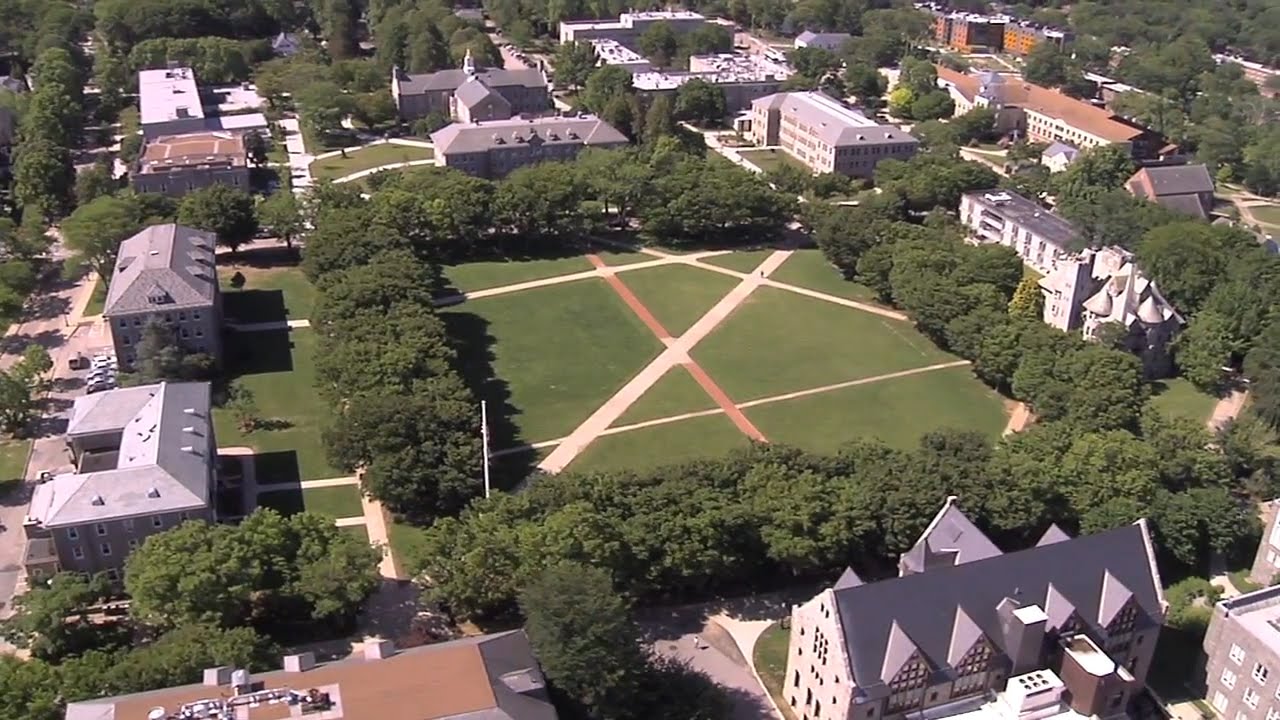
Rhode Island, located in the New England region of the United States, experiences a humid continental climate. This means that the state has four distinct seasons, characterized by hot summers and cold winters. The average annual temperature in Rhode Island is around 50°F (10°C), with temperatures ranging from an average high of 82°F (28°C) in July to an average low of 20°F (-6°C) in January. The state receives a moderate amount of rainfall throughout the year, with precipitation evenly distributed.
Growing Conditions for Corn
Corn is a warm-season crop that thrives in full sun and requires well-drained soil. It is a heavy feeder and needs rich soil with a pH level between 5.8 and 7.0. Rhode Island’s fertile soil is suitable for corn cultivation, provided it is prepared properly. Corn plants require ample space for growth, as they can reach heights of up to 12 feet (3.7 meters) and spread out significantly.
Importance of Choosing the Right Time
Choosing the right time to plant corn is crucial for a successful harvest. Planting at the appropriate time ensures that the corn plants have sufficient time to grow and mature before the arrival of frost or extreme heat. This timing is essential for maximizing crop yield and avoiding potential losses due to adverse weather conditions or diseases.
Factors Influencing Planting Time
Several factors influence the optimal time to plant corn in Rhode Island. These include the average last frost date, soil temperature, and moisture levels. Additionally, the specific corn variety being planted can also impact the planting time. It is important to consider these factors to ensure the best chances of a successful corn crop.
Understanding the Corn Growing Season
The corn growing season in Rhode Island typically begins in early spring and extends through the summer months. The length of the growing season depends on the specific corn variety being cultivated. Most corn varieties require approximately 60 to 100 days to reach maturity, with some shorter-season varieties available for regions with shorter growing seasons.
Optimal Temperatures for Corn
Corn plants prefer temperatures between 60°F (15°C) and 95°F (35°C) during the growing season. Cooler temperatures can slow down growth, while excessive heat can stress the plants and reduce yield. Therefore, it is essential to plant corn when the average temperatures are within this range to ensure optimal growth and development.
The Role of Soil Moisture
Adequate soil moisture is crucial for the successful growth of corn. Before planting, it is important to ensure that the soil has the proper moisture content. Corn seeds require soil that is slightly moist but not waterlogged. Dry soil can impede germination, while overly wet soil can lead to rotting. Proper moisture levels in the soil promote healthy root development and overall plant growth.
Assessing Frost Risks
Frost poses a significant risk to corn plants, especially in the early stages of growth. The last expected frost date in Rhode Island is typically around mid-May, but this can vary depending on the specific location. Planting corn too early can result in damage or death of the young plants due to frost. Therefore, it is essential to monitor weather forecasts and wait until the danger of frost has passed before planting corn.
Guidelines for Planting Corn
To determine the optimal time for planting corn in Rhode Island, it is advisable to consult the local agricultural extension office or use a planting guide specific to the region. These resources provide detailed information on the average last frost date, soil temperature requirements, and recommended planting dates for different corn varieties. Following these guidelines ensures that corn is planted at the right time for optimal growth and yield.
Best Time to Start Preparing
Proper preparation is crucial for a successful corn crop. It is recommended to start preparing the soil in early spring, a few weeks before the expected planting date. This includes clearing the field of debris, tilling the soil, and incorporating organic matter or fertilizers to improve soil fertility. By starting early, growers have ample time to ensure the soil is in the best condition for planting.
Weather Patterns to Consider
Rhode Island’s weather patterns play a significant role in determining the ideal time to plant corn. It is important to consider both short-term and long-term weather forecasts to make informed decisions. Unfavorable weather conditions, such as heavy rain or extreme heat, can negatively impact corn growth and yield. By monitoring weather patterns, growers can adjust their planting schedule accordingly to maximize their chances of a successful harvest.
Maximizing Crop Yield through Timing
By planting corn at the optimal time in Rhode Island, growers can maximize their crop yield. Planting too early or too late can result in reduced yield and lower-quality corn. Timing is crucial for ensuring that the corn plants have enough time to develop and mature before the arrival of adverse weather conditions. By considering factors such as soil temperature, moisture levels, frost risks, and weather patterns, farmers can make informed decisions and increase their chances of a bountiful corn harvest.