Introduction to Tiny Houses in Rhode Island
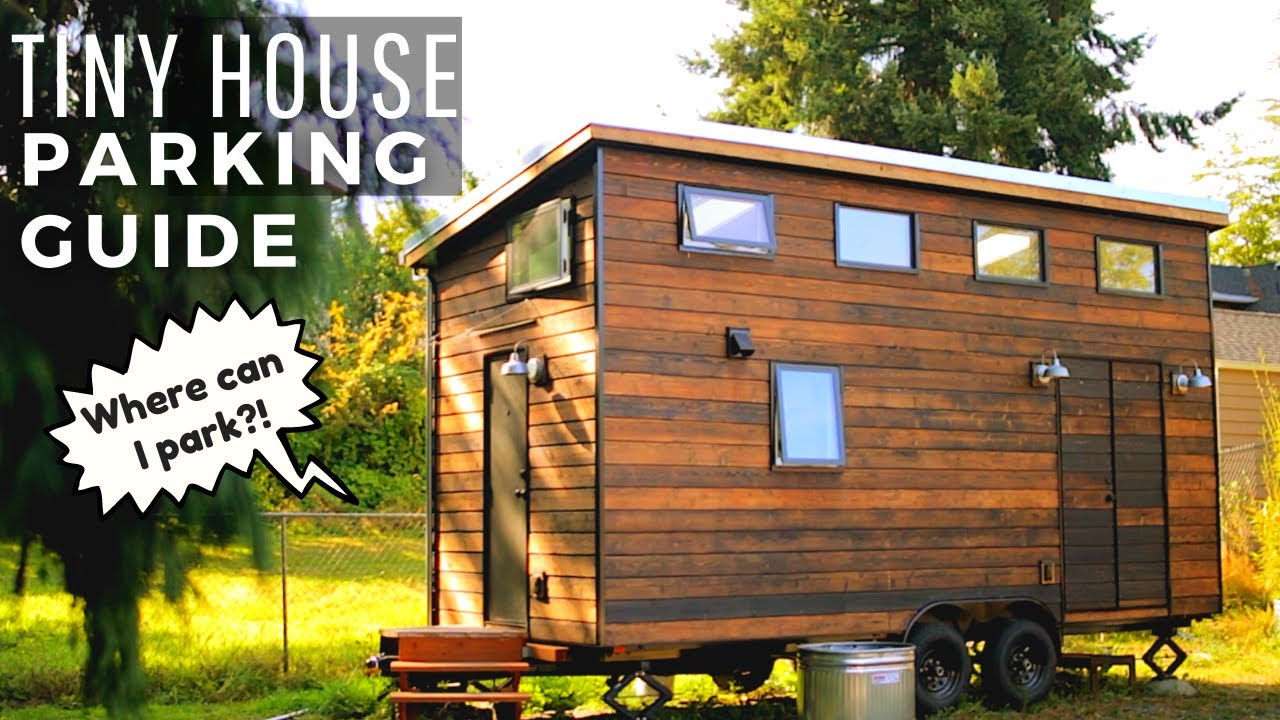
Rhode Island, the smallest state in the United States, has been embracing the tiny house movement. These compact dwellings, typically measuring between 100 and 400 square feet, have gained popularity due to their affordable and sustainable nature. While tiny houses offer an innovative solution to the housing crisis, finding suitable parking locations for them can be a challenge. In this article, we explore the possible locations for parking a tiny house in Rhode Island.
Importance of Parking Locations for Tiny Houses
Finding an appropriate parking location is crucial for tiny house owners. Since these homes are built on wheels, they offer the convenience of mobility. However, parking regulations and restrictions vary across different areas, making it essential for owners to carefully consider where they can legally and comfortably park their tiny houses.
Legal Considerations for Parking a Tiny House
Before parking a tiny house in Rhode Island, it is essential to understand the legal considerations. Tiny houses on wheels are classified as recreational vehicles (RVs) or trailers. Therefore, they must comply with the state’s regulations for RVs, including registration, safety standards, and insurance requirements. Additionally, local zoning ordinances and building codes may dictate where and how long a tiny house can be parked.
Challenges and Restrictions for Tiny House Parking
Parking a tiny house in Rhode Island can present challenges and restrictions. Many municipalities consider tiny houses as non-compliant with zoning regulations, as they often do not meet the minimum square footage requirements. Additionally, some areas have restrictions on the duration of stay in RV parks or limit the number of tiny houses on private property. These challenges make it crucial for tiny house owners to thoroughly research and understand the regulations in their desired location.
Potential Locations for Parking a Tiny House in Rhode Island
Despite the challenges, there are several potential locations for parking a tiny house in Rhode Island. These locations can be categorized into urban areas, rural areas, coastal areas, campgrounds and RV parks, and private property.
Urban Areas: Ideal Parking Spots for Tiny Houses
Urban areas such as Providence, Warwick, and Newport offer numerous advantages for tiny house owners. Parking a tiny house in these areas allows for easy access to amenities, employment opportunities, and a vibrant city life. However, finding suitable parking spots can be challenging due to limited space and strict zoning regulations.
Rural Areas: Suitable Locations for Tiny House Parking
Rural areas in Rhode Island provide a more relaxed environment and spacious surroundings for tiny house owners. Towns like Foster, Exeter, and Richmond offer picturesque landscapes and a greater likelihood of finding affordable land for parking. However, owners should still consider local zoning regulations and building codes.
Coastal Areas: Unique Opportunities for Tiny House Parking
Rhode Island’s beautiful coastal areas, including Narragansett, Westerly, and Block Island, offer unique opportunities for tiny house owners. With scenic views and a vibrant beach culture, these locations can be an ideal choice for those seeking a relaxing and picturesque lifestyle. However, coastal areas often have stricter regulations due to environmental concerns and higher property prices.
Campgrounds and RV Parks: Temporary Parking Options
Campgrounds and RV parks provide a temporary parking option for tiny house owners. Rhode Island offers several parks, including Burlingame State Park and Fishermen’s Memorial State Park, that permit RV parking for extended stays. However, it is important to note that these locations may have limitations on the duration of stay and may not provide year-round residency options.
Private Property: Pros and Cons of Parking on Personal Land
Parking a tiny house on private property offers both advantages and disadvantages. It allows for greater flexibility and freedom, as owners can choose their desired location. However, obtaining permission from property owners, dealing with zoning regulations, and ensuring utilities are available can be challenging. Additionally, the cost of purchasing or renting land can be a significant consideration.
Zoning Regulations: Understanding the Rules for Tiny House Parking
Understanding and complying with zoning regulations is crucial for parking a tiny house in Rhode Island. Zoning regulations vary across municipalities, and they dictate where tiny houses can be parked, whether on private property or in designated areas. It is essential for owners to research and communicate with local authorities to ensure compliance and avoid potential legal issues.
Community Support: Organizations and Initiatives for Tiny House Parking
Despite the challenges, there are organizations and initiatives in Rhode Island that support the tiny house movement. Rhode Island Tiny House, for example, is an advocacy group that promotes affordable and sustainable housing options. They provide resources, workshops, and assistance in navigating the regulations and finding suitable parking locations for tiny houses.
In conclusion, finding suitable parking locations for tiny houses in Rhode Island requires careful consideration of legal regulations, zoning restrictions, and the unique advantages and challenges of various areas. Whether parking in urban, rural, coastal areas, campgrounds, RV parks, or on private property, thorough research and compliance with regulations are essential. By understanding the possibilities and limitations, tiny house owners can find their perfect spot in the Ocean State.