Introduction: Comparing the Size of Aruba and Rhode Island
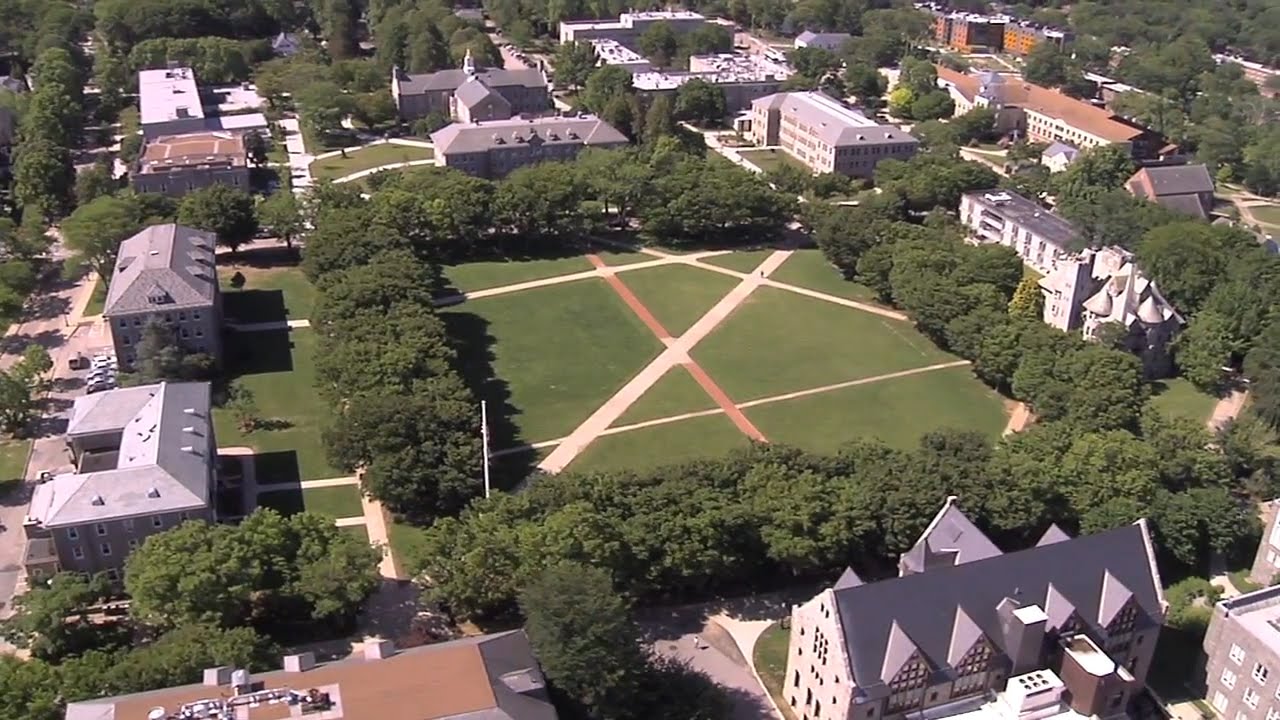
Aruba and Rhode Island are two unique and picturesque places that are often compared due to their similar sizes. Both are known for their beautiful landscapes, vibrant cities, and thriving tourism industries. In this article, we will delve into the details of their sizes and explore various aspects such as geographical location, land area, population, capital cities, major cities, landscapes, climate, economy, and tourism.
Geographical Overview: Aruba’s Location and Rhode Island’s Location
Aruba, a constituent country of the Kingdom of the Netherlands, is located in the southern Caribbean Sea, just off the coast of Venezuela. It is part of the Lesser Antilles, a group of islands. On the other hand, Rhode Island is the smallest state in the United States and is situated in the New England region of the country, bordered by Connecticut and Massachusetts.
Land Area: Measuring the Size of Aruba and Rhode Island
In terms of land area, Aruba covers approximately 179 square kilometers (69 square miles), making it one of the smallest countries in the world. In contrast, Rhode Island spans a larger area of about 3,144 square kilometers (1,214 square miles). Although both Aruba and Rhode Island are relatively small in comparison to other regions, Rhode Island is significantly larger than Aruba.
Population: Examining the Population of Aruba and Rhode Island
Aruba has a population of around 112,309 people as of 2021. The majority of the population is concentrated in the capital city of Oranjestad. In contrast, Rhode Island has a significantly larger population of approximately 1.1 million people, making it one of the more densely populated states in the United States.
Population Density: Analyzing the Density of Aruba and Rhode Island
Due to the difference in land area and population, Aruba has a much higher population density compared to Rhode Island. Aruba has a population density of around 627 people per square kilometer (1,624 people per square mile), while Rhode Island has a population density of approximately 354 people per square kilometer (918 people per square mile).
Capital City: Comparing the Capital Cities of Aruba and Rhode Island
The capital city of Aruba is Oranjestad, a vibrant and colorful city known for its Dutch colonial architecture and bustling streets. In contrast, the capital city of Rhode Island is Providence, which is both the largest city and the capital of the state. Providence is renowned for its historic landmarks, top-notch educational institutions, and diverse culture.
Major Cities: Highlighting Major Cities in Aruba and Rhode Island
Apart from the capital cities, both Aruba and Rhode Island have other noteworthy cities. In Aruba, some major cities include San Nicolas, a hub of oil refining and tourism, and Noord, a popular resort area. In Rhode Island, notable cities include Warwick, Cranston, and Pawtucket, each offering its own unique charm and attractions.
Landscapes: Contrasting the Landscapes of Aruba and Rhode Island
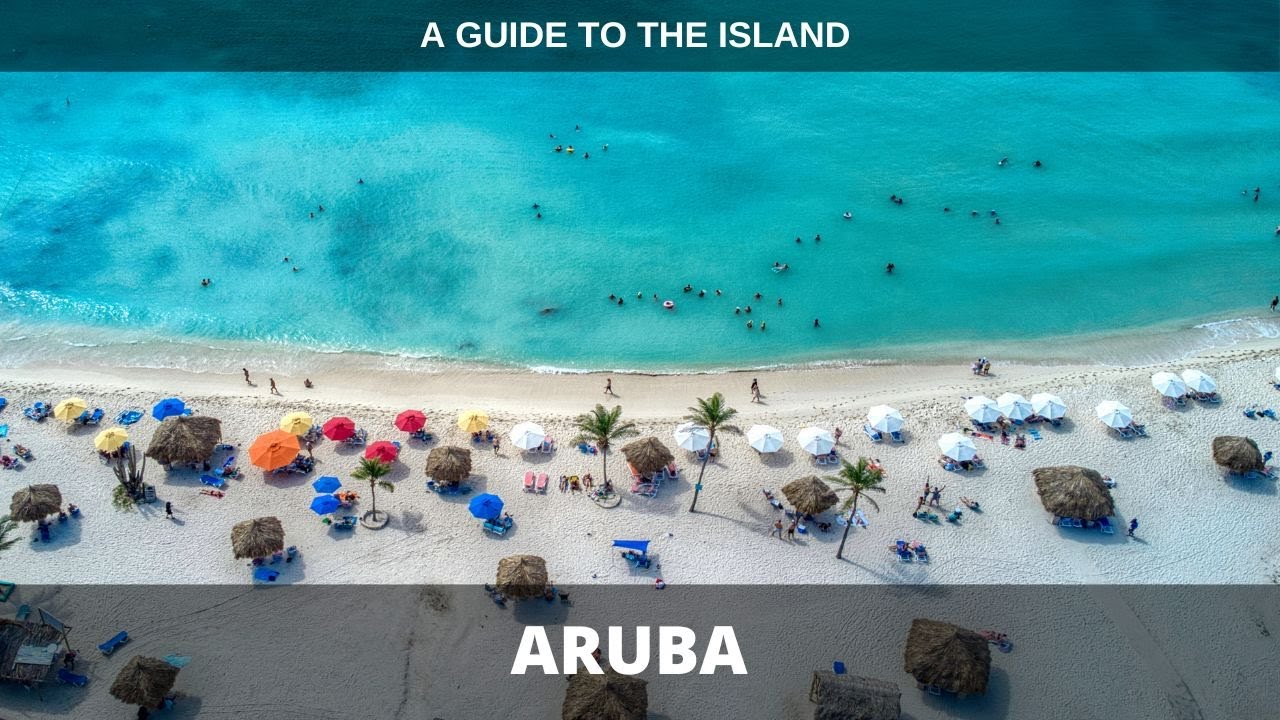
Aruba boasts stunning landscapes characterized by its pristine white sandy beaches, crystal-clear turquoise waters, and dramatic rocky coastlines. The island also features arid desert-like regions with cacti and unique flora and fauna. In contrast, Rhode Island showcases a diverse landscape with rolling hills, dense forests, picturesque beaches, and charming coastal towns.
Climate: Understanding the Climate in Aruba and Rhode Island
Aruba experiences a tropical savanna climate, characterized by warm temperatures throughout the year and a relatively low annual rainfall. The island enjoys constant trade winds, making it a popular destination for beachgoers and water sports enthusiasts. Rhode Island, on the other hand, has a humid continental climate with hot summers and cold winters, influenced by the Atlantic Ocean.
Economy: Exploring the Economies of Aruba and Rhode Island
Aruba’s economy heavily relies on tourism, with the industry contributing significantly to the country’s GDP. The island attracts millions of visitors each year, drawn by its pristine beaches, diverse marine life, and vibrant culture. In contrast, Rhode Island’s economy is more diverse and includes sectors such as healthcare, education, manufacturing, and finance. The state is also known for its strong maritime industry.
Tourism: Assessing the Importance of Tourism in Aruba and Rhode Island
Tourism plays a vital role in both Aruba and Rhode Island. Aruba’s tourism sector is the backbone of its economy, with visitors flocking to the island for its sun-drenched beaches, water sports, and vibrant nightlife. Rhode Island also relies on tourism, with visitors drawn to its historical sites, charming coastal towns, and cultural events such as the Newport Jazz Festival. Both destinations offer unique experiences that cater to a wide range of travelers.
Conclusion: Summarizing the Differences in Size between Aruba and Rhode Island
In summary, while Aruba and Rhode Island are often compared due to their similar sizes, there are notable differences between the two. Rhode Island is larger in terms of land area and has a significantly larger population compared to Aruba. The landscapes, climates, and economies of both places also differ. However, both Aruba and Rhode Island share a common emphasis on tourism, offering visitors memorable experiences and highlighting the beauty and charm of their respective locations.