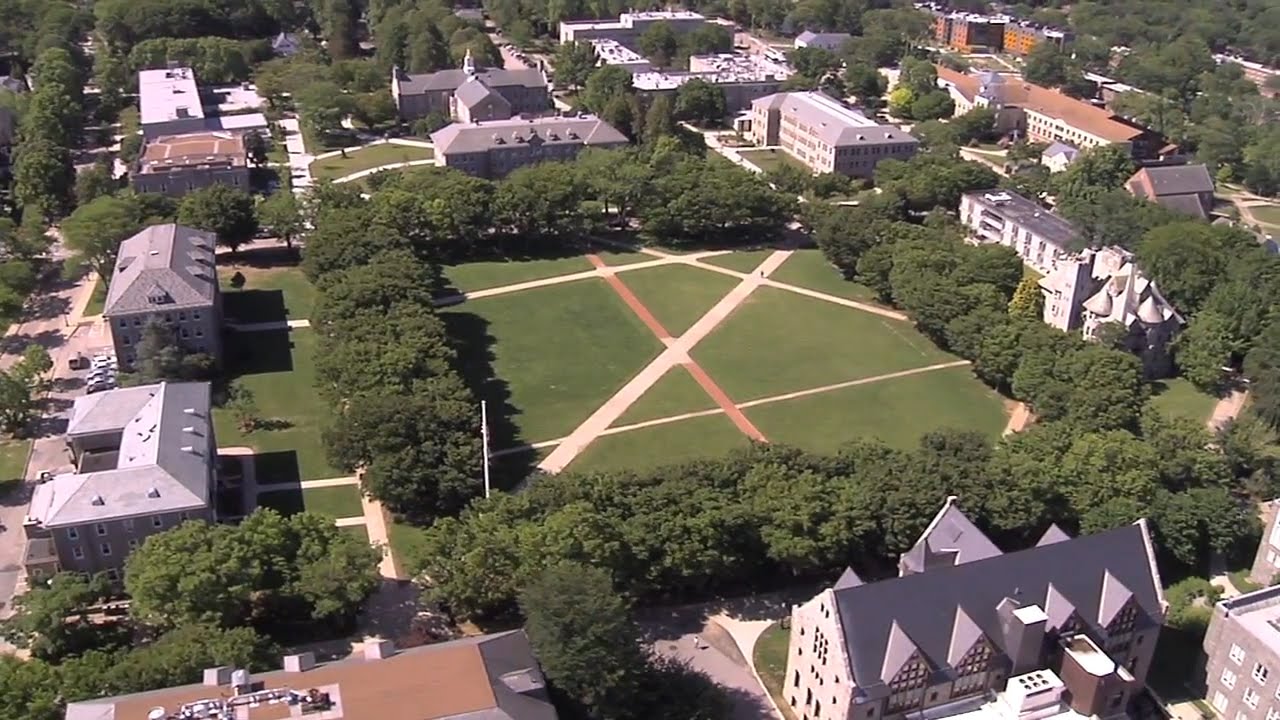

Introduction: The Location of Rhode Island in the USA
Rhode Island, the smallest state in the United States, can be found in the northeastern part of the country. Despite its small size, it has a significant historical and cultural impact. Rhode Island is located in the New England region, sharing borders with Massachusetts to the north and east, Connecticut to the west, and facing the Atlantic Ocean to the south.
Geographical Position: Rhode Island’s Coordinates and Borders
Rhode Island, with its approximate coordinates of 41.6°N latitude and 71.5°W longitude, spans an area of just 1,214 square miles. This tiny state is bordered by Massachusetts and Connecticut, while to the south it boasts a 40-mile coastline along the Atlantic Ocean. Despite its relatively small land area, Rhode Island’s maritime borders provide it with a rich maritime culture and influence.
Northeastern USA: Rhode Island in the New England Region
Rhode Island is nestled within the New England region of the United States. Comprising six states in total, New England is renowned for its picturesque landscapes, vibrant history, and distinct cultural heritage. Rhode Island’s proximity to other New England states makes it an ideal starting point for exploring the region’s historical landmarks, natural wonders, and charming coastal towns.
Rhode Island’s Atlantic Coastline: A Waterfront State
One of Rhode Island’s most striking features is its captivating Atlantic coastline. Stretching for approximately 40 miles, the state’s shoreline is dotted with picturesque beaches, charming seaside towns, and bustling harbors. The coastline offers a wealth of recreational activities, from swimming and sunbathing to sailing and fishing. Rhode Island’s waterfront setting has also played a crucial role in shaping its economy, history, and culture.
Providence: The Capital City of Rhode Island
Providence, the capital city of Rhode Island, is a vibrant and cosmopolitan hub that showcases the state’s dynamic spirit. Situated in the northeastern part of the state, Providence is home to diverse neighborhoods, world-class universities, and a thriving arts scene. The city’s rich history is evident in its well-preserved colonial architecture, cobblestone streets, and numerous historical sites. Providence’s lively cultural events, culinary delights, and vibrant nightlife make it a must-visit destination within Rhode Island.
Counties: Divisions within the State of Rhode Island
Rhode Island is divided into five counties: Providence, Kent, Washington, Newport, and Bristol. Providence County, the most populous, encompasses the capital city and its surrounding areas. Each county has its own distinctive character, from the historical significance of Bristol County to the scenic beauty of Washington County. These divisions help in administrative, legislative, and electoral processes throughout the state.
Landscapes: The Diverse Geography of Rhode Island
Rhode Island’s diverse geography offers a variety of landscapes within its small area. From rolling hills to fertile valleys, the state is characterized by its picturesque countryside. The region known as the South County is adorned with pristine beaches, salt marshes, and tranquil ponds. Central Rhode Island features lush forests and meandering rivers, while the northern part of the state is home to stunning lakes and rocky terrain. Rhode Island’s geographical diversity makes it an ideal location for outdoor enthusiasts and nature lovers.
Climate: Rhode Island’s Weather Patterns and Seasons
Rhode Island experiences a humid continental climate, with warm summers and cold, snowy winters. The state’s proximity to the Atlantic Ocean moderates temperature extremes, creating a temperate climate overall. Summers are typically mild to warm, with temperatures averaging around 80°F (27°C). Winters can be cold, with temperatures dropping to around 30°F (-1°C). Rhode Island’s climate also brings about distinct seasons, with colorful foliage in the fall and blooming flowers in the spring.
Historical Significance: Rhode Island’s Role in American History
Rhode Island holds great historical significance within the United States. Founded in 1636 by Roger Williams, it became a haven for those seeking religious freedom. The state played a vital role in the American Revolution, with notable events such as the Gaspee Affair and the burning of the HMS Liberty. Rhode Island was also at the forefront of the Industrial Revolution, with its textile mills and manufacturing prowess. Its history is preserved through numerous historical sites, museums, and landmarks, attracting history enthusiasts from around the world.
Cultural Heritage: Rhode Island’s Art, Literature, and Music
Rhode Island’s cultural heritage is vibrant and diverse, encompassing various art forms, literature, and music. The state has a strong tradition of supporting the arts, with renowned institutions such as the Rhode Island School of Design (RISD) and the Newport Jazz Festival. Artists and writers like Gilbert Stuart and H.P. Lovecraft have called Rhode Island home, leaving a lasting impact on the state’s cultural landscape. The rich artistic heritage, combined with a thriving culinary scene and festivals celebrating different cultures, makes Rhode Island a melting pot of creativity and cultural expression.
Economy: Industries and Sectors in Rhode Island
Rhode Island’s economy is driven by a variety of industries and sectors. Historically, the state’s manufacturing sector played a significant role, particularly in textiles and jewelry production. Today, while manufacturing still holds importance, Rhode Island has diversified its economy to include sectors such as healthcare, education, finance, and tourism. The state’s strategic location, skilled workforce, and support for innovation have attracted new businesses and contributed to its economic growth.
Tourism: Exploring the Attractions of Rhode Island
Rhode Island’s diverse attractions and cultural offerings make it an enticing destination for tourists. From the charming coastal towns of Newport and Block Island to the historical sites in Providence and Bristol, visitors can immerse themselves in the state’s rich heritage. The breathtaking landscapes, lighthouses, and nature reserves provide opportunities for outdoor activities such as hiking, boating, and bird-watching. Additionally, Rhode Island’s renowned culinary scene, with its fresh seafood and local delicacies, is a culinary delight for visitors. Whether seeking history, natural beauty, or cultural experiences, Rhode Island offers a wealth of attractions for every traveler.