Introduction: The Coyote Situation in Rhode Island
Rhode Island, despite being the smallest state in the United States, is not exempt from the presence of coyotes. These adaptable and resourceful canines have established a population in Rhode Island, prompting concerns and discussions about their management. As coyotes continue to encroach upon urban and suburban areas, conflicts with humans and pets have become more frequent. This article aims to explore the question of whether it is permissible to eliminate coyotes in Rhode Island, considering various factors such as their behavior, ecological impact, and the potential risks they pose to humans.
Understanding Coyotes: Their Behavior and Habitat
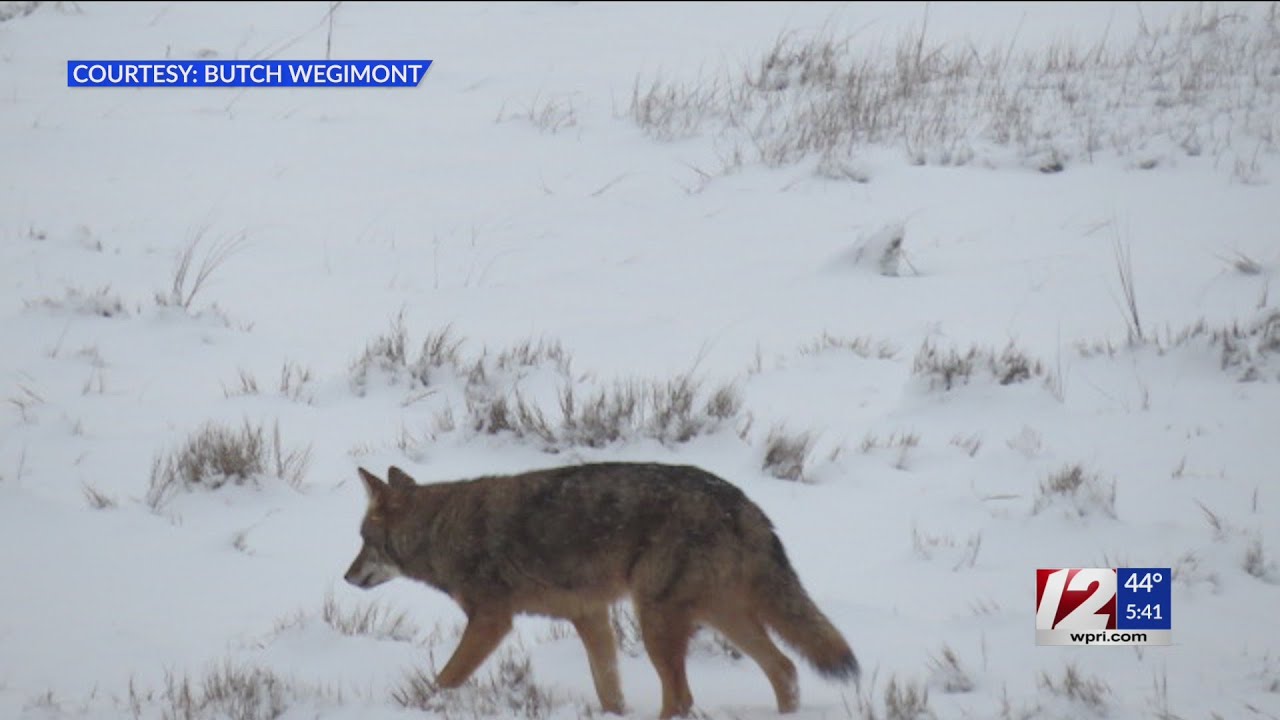
Coyotes, scientifically known as Canis latrans, are highly adaptable animals native to North America. They are known for their resilience and ability to thrive in a wide range of habitats, including forests, grasslands, and even urban areas. Coyotes are primarily nocturnal and are skilled hunters, capable of hunting small mammals, birds, and even scavenging for human refuse. They are also highly territorial, with a social structure that revolves around family units, known as packs.
The Ecological Impact of Coyotes in Rhode Island
Despite being an introduced species in Rhode Island, coyotes have had a significant ecological impact. They play a vital role in controlling populations of small mammals, such as rodents, which helps maintain a balanced ecosystem. Additionally, their presence can limit the population growth of other predators, such as raccoons and foxes, which can have positive effects on bird populations. However, their predatory behavior can also impact local wildlife, including deer, rabbits, and ground-nesting birds, potentially leading to imbalances in certain ecosystems.
Human-Coyote Conflicts: Risks and Concerns
As coyotes increasingly encroach upon urban areas in Rhode Island, conflicts between humans and coyotes are on the rise. Concerns revolve around the safety of both humans and their pets. Coyotes have been known to prey on small pets, leading to distressing encounters for pet owners. Additionally, there have been instances of coyotes displaying aggressive behavior towards humans, especially in situations where they have become habituated to human presence. These risks and concerns have fueled debates about the need for coyote management strategies.
Rhode Island’s Policy on Coyote Management
Rhode Island’s Department of Environmental Management (DEM) recognizes the need for coyote management and has implemented policies that aim to strike a balance between conservation and public safety. The DEM recommends practices such as educating the public about coyote behavior, ensuring responsible pet ownership, and discouraging the feeding of coyotes. However, the DEM does not support the elimination of coyotes as a management strategy, but instead promotes coexistence and deterrent measures.
Evaluating the Ethics of Eliminating Coyotes
The question of whether it is permissible to eliminate coyotes raises ethical considerations. Some argue that coyotes have the right to exist in their natural habitat and that human intervention is unnecessary. Others highlight the potential risks coyotes pose to humans and their pets, advocating for their removal. Ultimately, the ethics of eliminating coyotes depend on the prioritization of human safety versus conservation values.
The Effectiveness of Coyote Control Measures
Various control measures have been employed to manage coyote populations in different regions, but their effectiveness is often debated. Trapping and euthanizing coyotes is one approach, but it can be costly, time-consuming, and may not necessarily lead to long-term population reduction. Other methods include fertility control and relocation, but these strategies also have limitations. It is crucial to evaluate the effectiveness of control measures to ensure any actions taken are justified and sustainable.
Alternatives to Elimination: Coyote Deterrence
Rather than eliminating coyotes, many experts and organizations advocate for deterrent measures to minimize human-coyote conflicts. These methods include hazing techniques, such as making loud noises or using non-lethal projectiles, to instill fear and maintain the natural wariness of coyotes towards humans. Encouraging responsible pet ownership, securing garbage, and removing attractants are also effective deterrents. These alternatives aim to foster coexistence while reducing the risks associated with human-coyote interactions.
Public Opinion: Views on Coyote Management Strategies
Public opinion on coyote management strategies varies widely. Some individuals believe coyotes should be eliminated or controlled more aggressively due to safety concerns, while others argue for non-lethal methods and education to promote harmonious coexistence. Public input and involvement are vital in shaping coyote management policies, ensuring that decisions made align with the values and priorities of Rhode Island residents.
Balancing Conservation and Human Safety
Finding a balance between conservation and human safety is a complex challenge when it comes to coyote management. The preservation of native wildlife and ecosystems is crucial, but it is equally important to address the concerns of residents who feel threatened by coyotes. Striking a balance requires a comprehensive understanding of the ecological impacts of coyotes and the development of management strategies that minimize risks while promoting coexistence.
Current Initiatives: Coyote Management in Rhode Island
Rhode Island has embarked on various initiatives to manage coyotes effectively. These initiatives include public education programs aimed at increasing awareness about coyote behavior and implementing deterrent practices. Additionally, the DEM collaborates with local communities to develop localized coyote management plans that consider the unique circumstances of each area. By combining educational efforts, community involvement, and targeted interventions, Rhode Island strives to address the challenges posed by coyotes.
Conclusion: Making Informed Decisions on Coyote Control
The question of whether it is permissible to eliminate coyotes in Rhode Island is multifaceted and requires careful consideration. Understanding coyote behavior, their ecological impact, and the risks they pose to humans is essential in making informed decisions. Balancing conservation and human safety is a delicate task that demands a comprehensive approach, including public education, deterrent measures, and responsible pet ownership. By striving for a harmonious coexistence with coyotes, Rhode Island can navigate the complexities of coyote management while safeguarding its residents and natural habitats.