Introduction to polyethylene foam recycling
Polyethylene foam, a versatile and lightweight material commonly used in packaging and insulation, presents unique challenges when it comes to recycling. This type of foam is non-biodegradable and can take hundreds of years to break down naturally. Therefore, finding effective recycling methods for polyethylene foam is crucial to reduce its impact on the environment. In Rhode Island, efforts are being made to address this issue and promote the recycling of polyethylene foam.
Understanding the challenges in recycling polyethylene foam
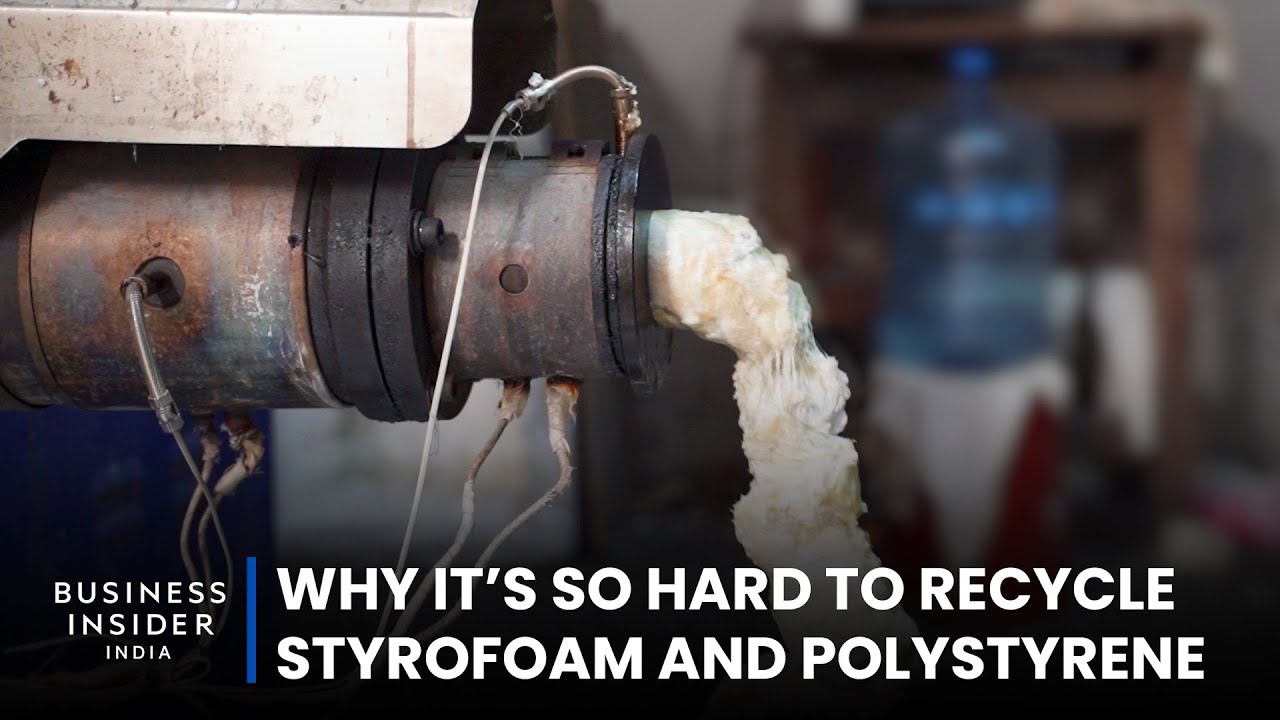
Polyethylene foam recycling faces several challenges due to its physical properties. The foam is made up of tiny, interconnected cells, making it difficult to process through conventional recycling methods. Its low density also poses a challenge as it can easily be contaminated with other materials during collection and transportation. Additionally, the lack of infrastructure and awareness about foam recycling further hinder its effective recycling in Rhode Island.
Overview of Rhode Island’s recycling infrastructure
Rhode Island has a well-established recycling infrastructure that focuses primarily on traditional recyclable materials such as paper, plastic, and glass. While these materials are widely accepted, the recycling system in the state does not have comprehensive facilities specifically designed for polyethylene foam recycling. This poses an obstacle for individuals and businesses seeking to recycle this material.
Current state of polyethylene foam recycling in Rhode Island
Currently, the recycling of polyethylene foam in Rhode Island is limited. Most recycling facilities in the state do not accept this material, and residents are often left with no option but to dispose of it in landfills. This results in a significant amount of polyethylene foam waste accumulating in the state, contributing to environmental pollution and resource depletion.
Initiatives promoting polyethylene foam recycling in the state
Despite the challenges, there are initiatives in Rhode Island aimed at promoting polyethylene foam recycling. The Rhode Island Resource Recovery Corporation (RIRRC) has been working to expand the types of materials accepted at recycling facilities. They have expressed interest in exploring options for polyethylene foam recycling and are actively seeking partnerships with organizations and businesses that specialize in foam recycling.
Examining the benefits of recycling polyethylene foam
Recycling polyethylene foam offers several benefits for both the environment and the economy. By diverting foam waste from landfills, recycling reduces greenhouse gas emissions and conserves valuable resources. Additionally, the recycled foam can be used to create new products, reducing the need for virgin materials. This not only lowers manufacturing costs but also promotes a more sustainable and circular economy.
Analyzing the economic feasibility of foam recycling in RI
The economic feasibility of polyethylene foam recycling in Rhode Island depends on factors such as the market demand for recycled foam products and the availability of cost-effective recycling technologies. While the initial investment in foam recycling infrastructure may be substantial, the potential for long-term cost savings and revenue generation through the sale of recycled foam products should be considered.
Best practices for recycling polyethylene foam in Rhode Island
To promote successful polyethylene foam recycling in Rhode Island, it is important to follow best practices. Foam waste should be separated from other materials and kept clean and dry to minimize contamination. Additionally, using compactors or densifiers to reduce foam volume before recycling can improve transportation efficiency and lower costs. Educating residents, businesses, and recycling facility workers about these best practices is crucial in ensuring the effectiveness of foam recycling efforts.
Available resources and facilities for foam recycling in RI
While specific resources and facilities dedicated to polyethylene foam recycling in Rhode Island are limited, there are alternatives available. Some private companies specialize in foam recycling and accept foam waste for processing. Working with these companies can provide individuals and businesses in Rhode Island with options for recycling their polyethylene foam.
Promoting awareness and education on foam recycling in RI
To enhance polyethylene foam recycling in Rhode Island, it is essential to promote awareness and education. Educating the public about the importance of foam recycling, the proper methods of recycling, and the existing resources and facilities can encourage individuals and businesses to actively participate in foam recycling initiatives. Collaborative efforts between government agencies, recycling facilities, and community organizations can help raise awareness and educate the public on foam recycling.
Potential solutions to enhance polyethylene foam recycling
To enhance polyethylene foam recycling in Rhode Island, potential solutions can be explored. This includes establishing dedicated foam recycling facilities in the state, providing incentives for businesses to adopt foam recycling practices, and implementing extended producer responsibility programs to encourage manufacturers to use recyclable alternatives to foam. Collaborating with neighboring states to share resources and knowledge can also contribute to the development of effective foam recycling solutions.
Conclusion: The future of polyethylene foam recycling in Rhode Island
Polyethylene foam recycling in Rhode Island is still in its early stages, but efforts are being made to address the challenges and promote its recycling. By enhancing awareness, education, and infrastructure, Rhode Island can move towards a future where polyethylene foam waste is minimized and efficiently recycled. Continued collaboration between government, businesses, and the community is essential to achieving this goal and ensuring a sustainable future for the state.