Introduction: Exploring the Perception of Rhode Island’s Crowdedness
Rhode Island, the smallest state in the United States, is often associated with its charming small-town atmosphere and coastal beauty. However, there has been ongoing debate about whether Rhode Island is perceived as crowded due to its limited land area and dense population. In this article, we will delve into the factors contributing to this perception and examine the reality of Rhode Island’s crowdedness.
Historical Context: Rhode Island’s Population Growth Over Time
Rhode Island’s population has seen significant growth over the years. In the early 20th century, the state experienced a surge in population with the rise of industrialization, attracting immigrants seeking employment opportunities. This trend continued into the mid-20th century, resulting in a peak population of around 1.2 million in the 1970s. However, since then, the population growth rate has gradually declined, leveling off at approximately 1.1 million people in recent years.
Current Population Density: Analyzing the Numbers
Despite its small size, Rhode Island has one of the highest population densities in the country. With an estimated land area of just 1,214 square miles, the state has a population density of around 1,018 people per square mile. This density is significantly higher than the national average of 92.9 people per square mile. These numbers indicate that Rhode Island is indeed densely populated, contributing to the perception of crowding.
Urban vs. Rural Areas: Understanding the Distribution
The population distribution in Rhode Island is uneven, with a clear divide between urban and rural areas. The Providence metropolitan area, which includes the capital city and its surrounding towns, accounts for a significant portion of the state’s population. Providence alone is home to over 179,000 residents. On the other hand, rural areas, particularly in the western and southern parts of the state, have fewer inhabitants and offer a more spacious living environment.
Factors Behind Perceived Crowdedness in Rhode Island
Several factors contribute to the perceived crowdedness in Rhode Island. The first is the state’s small land area, which limits the availability of open spaces. Additionally, the high population density exacerbates the feeling of crowding, particularly in urban areas. Furthermore, the state’s location in the densely populated Northeast region of the United States contributes to the overall perception of crowdedness.
Tourism Impact: Does it Contribute to the Perception?
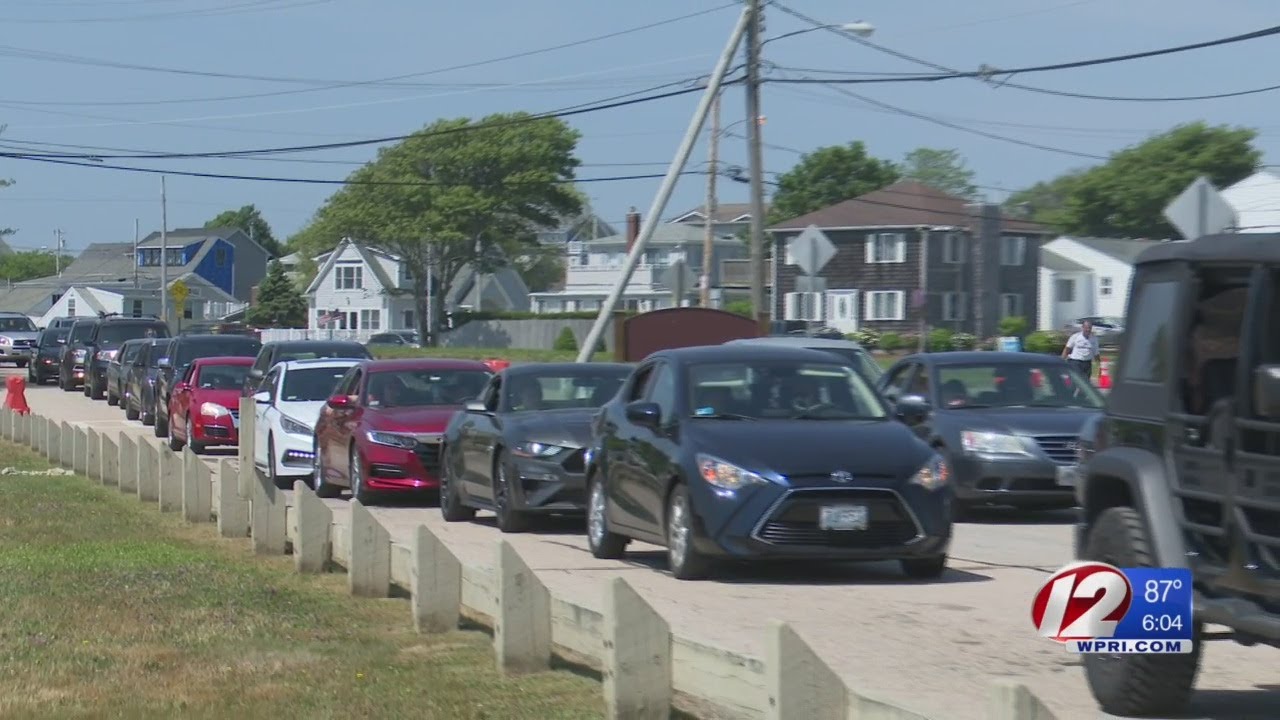
Rhode Island’s popularity as a tourist destination also plays a role in the perception of crowdedness. The state attracts visitors with its picturesque coastline, historical sites, and vibrant cultural scene. During peak tourist seasons, such as summer, Rhode Island experiences an influx of visitors, adding to the overall population and potentially creating a sense of crowding in popular tourist destinations like Newport and Block Island.
Transportation System: A Key to Managing Crowdedness
Rhode Island’s transportation system plays a crucial role in managing the perceived crowdedness. The state has invested in improving its infrastructure, including highways, public transportation, and bike lanes. Efforts to enhance transportation options aim to alleviate traffic congestion and provide alternatives for commuters, thus reducing the sense of crowding on roadways.
Infrastructure Development: Coping with Population Growth
To cope with population growth and alleviate the perception of crowdedness, Rhode Island has undertaken various infrastructure development projects. These include expanding public facilities, upgrading utilities, and enhancing public spaces. Furthermore, urban planning initiatives aim to manage population density and create sustainable communities that balance the need for housing, transportation, and recreational areas.
Housing Market: Addressing the Demand for Space
The housing market in Rhode Island reflects the challenges of managing the demand for space. With limited land availability, housing options can be limited, particularly in highly desirable urban areas. This scarcity of housing drives up prices, making it difficult for some residents to find affordable homes. Efforts to address this issue include encouraging mixed-use development, promoting affordable housing initiatives, and implementing smart growth strategies.
Public Spaces: Balancing Crowds and Comfort
Rhode Island recognizes the importance of providing public spaces that balance crowds and comfort. The state boasts numerous parks, beaches, and recreational areas that offer opportunities for residents and visitors to enjoy nature and outdoor activities. Effective management and maintenance of these public spaces help ensure that they remain accessible and enjoyable without feeling overcrowded.
Local Perspectives: Rhode Islanders’ Views on Crowdedness
Local perspectives on crowdedness in Rhode Island vary. Some residents embrace the vibrant energy and cultural diversity that come with a higher population density. Others express concerns about increased traffic, limited parking, and the strain on resources. Balancing these differing views is essential in maintaining a positive quality of life for Rhode Islanders while addressing the challenges associated with population growth.
Conclusion: Rhode Island’s Perception of Crowdedness Unveiled
Rhode Island, despite its small size, is indeed perceived as crowded due to its high population density and limited land area. While the state’s urban areas bear the brunt of this perception, rural areas offer a respite from the crowds. Efforts to manage crowdedness through transportation improvements, infrastructure development, and housing market strategies are essential for maintaining a balanced and enjoyable living environment. By understanding the factors contributing to this perception and addressing them effectively, Rhode Island can continue to thrive as a vibrant and welcoming state.