
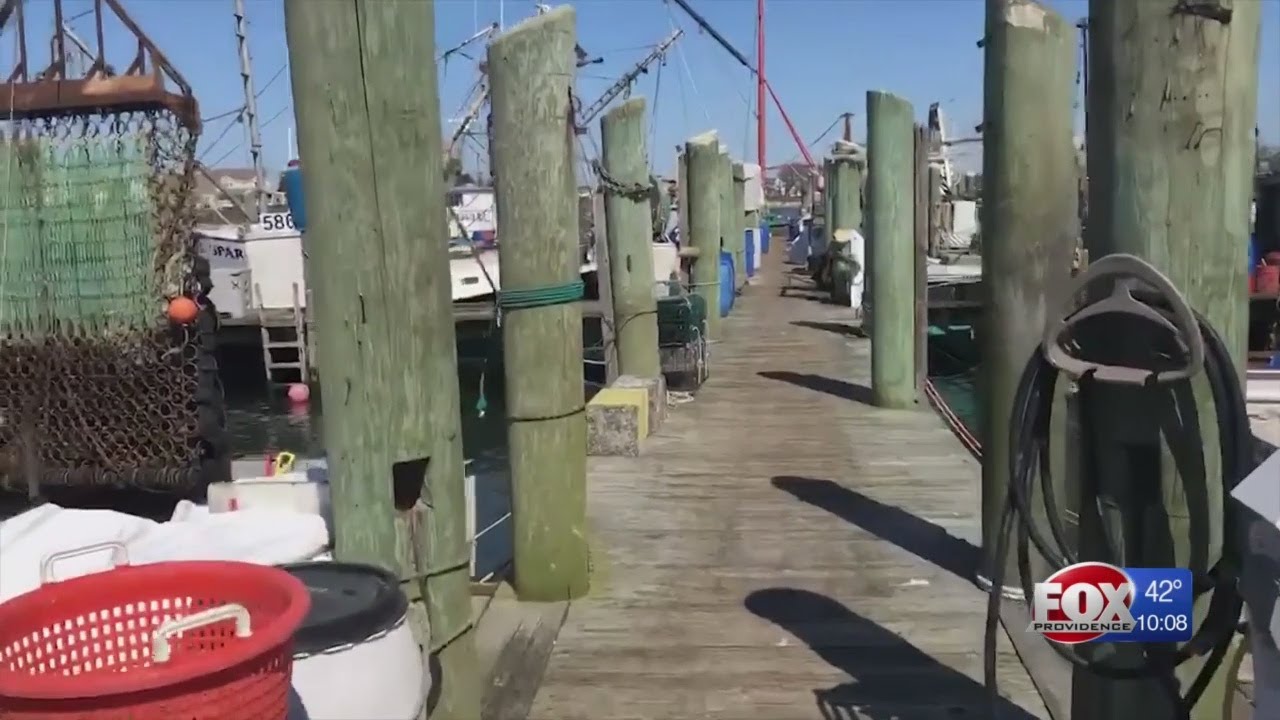
Introduction: Lobster Harvesting in Rhode Island
Lobster harvesting in Rhode Island has been a long-standing tradition and an important economic activity for the state. Located along the eastern coast of the United States, Rhode Island provides ideal conditions for the growth and abundance of lobsters. With its rich marine resources and favorable climate, the state has emerged as a significant player in the lobster industry. This article explores Rhode Island’s role in lobster harvesting, the historical perspective, the types of lobsters found in the area, the fishing techniques employed, the industry’s key facts, regulations, environmental impact, changes in harvesting practices, economic significance, and the challenges and future prospects of lobster harvesting in Rhode Island.
Location: Rhode Island’s Role in Lobster Harvesting
Situated between Connecticut and Massachusetts, Rhode Island occupies a unique position along the Atlantic Ocean. Its 400 miles of coastline offer a diverse range of habitats for lobsters to thrive. From rocky shores to sandy bottoms, the state’s coastal waters provide a conducive environment for the growth and reproduction of lobsters. This strategic location has made Rhode Island a prime spot for lobster harvesting, attracting both local and out-of-state fishermen to its shores.
Historical Perspective: Lobster Fishing in Rhode Island
Lobster fishing has a rich history in Rhode Island, dating back to the early days of European settlement. Native American tribes, such as the Narragansetts, were known to catch lobsters in the region for centuries. However, it was during the 19th century that lobster fishing became more commercialized in Rhode Island. Initially, lobsters were considered a poor man’s food, but their popularity grew steadily over time, leading to an increased demand and the development of the lobster fishing industry.
Species: Types of Lobsters Found in Rhode Island
Rhode Island is home to two main species of lobsters: the American lobster (Homarus americanus) and the Jonah crab (Cancer borealis). American lobsters are the most commonly harvested species and are renowned for their succulent meat and distinctive claws. The Jonah crab, although less popular, is also caught in Rhode Island’s waters and is highly regarded for its sweet flavor.
Lobster Fishing Techniques in Rhode Island
Lobster fishing in Rhode Island involves various techniques, with most fishermen relying on traps or pots to catch their prey. Lobster traps consist of a wire mesh cage that is baited and lowered to the ocean floor. The traps provide a safe haven for lobsters to enter but make it difficult for them to escape. The traps are periodically checked by fishermen, who remove caught lobsters and replace the bait. This method ensures a sustainable harvest while minimizing damage to the lobster population.
The Lobster Industry in Rhode Island: Key Facts
The lobster industry in Rhode Island contributes significantly to the state’s economy. It supports hundreds of jobs, both directly and indirectly, ranging from fishermen to seafood processors and distributors. According to the Rhode Island Department of Environmental Management, the state’s lobster industry generates millions of dollars in revenue annually. Lobstering is not only a vital economic activity but also a source of cultural heritage and pride for the local communities.
Rhode Island’s Lobster Harvesting Regulations
Rhode Island has implemented strict regulations to maintain the sustainability of its lobster population. The state enforces size limits, requiring fishermen to only keep lobsters that meet the minimum size requirements. Additionally, there are restrictions on the number of traps that can be used, the types of gear employed, and seasonal closures to protect lobsters during their reproductive periods. These regulations aim to prevent overfishing, ensure the long-term viability of the lobster industry, and preserve the delicate marine ecosystem.
Environmental Impact: Lobster Harvesting in Rhode Island
While lobster harvesting is an important industry, it also has an environmental impact. However, Rhode Island’s regulations and sustainable practices help mitigate any negative effects. By implementing size limits and trap restrictions, the state ensures that undersized lobsters and other marine species are not excessively harvested. Lobster traps are designed to minimize damage to the ocean floor, reducing the disruption of delicate habitats. Rhode Island’s commitment to responsible fishing practices helps maintain the delicate balance between economic development and environmental conservation.
Changes in Lobster Harvesting Practices in Rhode Island
Over the years, lobster harvesting practices in Rhode Island have evolved to adapt to changing circumstances. Technological advancements have led to more efficient traps, making lobster fishing safer and more effective. Additionally, the introduction of satellite technology and GPS tracking has improved the accuracy of locating lobster grounds, reducing wasted time and fuel consumption. These changes reflect the industry’s continuous efforts to improve sustainability, productivity, and the overall success of lobster harvesting in Rhode Island.
Economic Significance: Lobster Harvesting in Rhode Island
The economic significance of lobster harvesting in Rhode Island cannot be overstated. It provides employment for local communities, supports related industries such as tourism and hospitality, and contributes to the state’s overall revenue. Lobster fishing is a crucial part of the state’s identity, attracting tourists who visit Rhode Island to experience its seafood delicacies. The lobster industry has not only sustained livelihoods but also helped put Rhode Island on the map as a desirable destination for seafood enthusiasts.
Challenges and Future of Lobster Harvesting in Rhode Island
Despite its success, the lobster industry in Rhode Island faces several challenges. Climate change, for instance, poses a threat to the lobster population and their habitats as rising temperatures and ocean acidification can affect their growth and survival. Moreover, changes in ocean currents and water temperature patterns may alter the distribution of lobsters, impacting fishing grounds. Furthermore, the increasing competition from other lobster fishing regions and the fluctuating market demand for lobster products present additional challenges for the industry’s future in Rhode Island.
Conclusion: Rhode Island’s Lobster Harvesting Success
Rhode Island’s lobster harvesting industry has flourished due to the state’s favorable location, rich history, diverse lobster species, effective fishing techniques, and significant economic contributions. By implementing regulations and embracing sustainable practices, Rhode Island has demonstrated its commitment to maintaining a thriving lobster population and preserving its marine environment. However, the industry must remain vigilant in the face of environmental changes and market pressures to secure its future success. With careful management and adaptation, Rhode Island can continue to be a leading hub for lobster harvesting, ensuring the sustainable growth of this vital industry.


