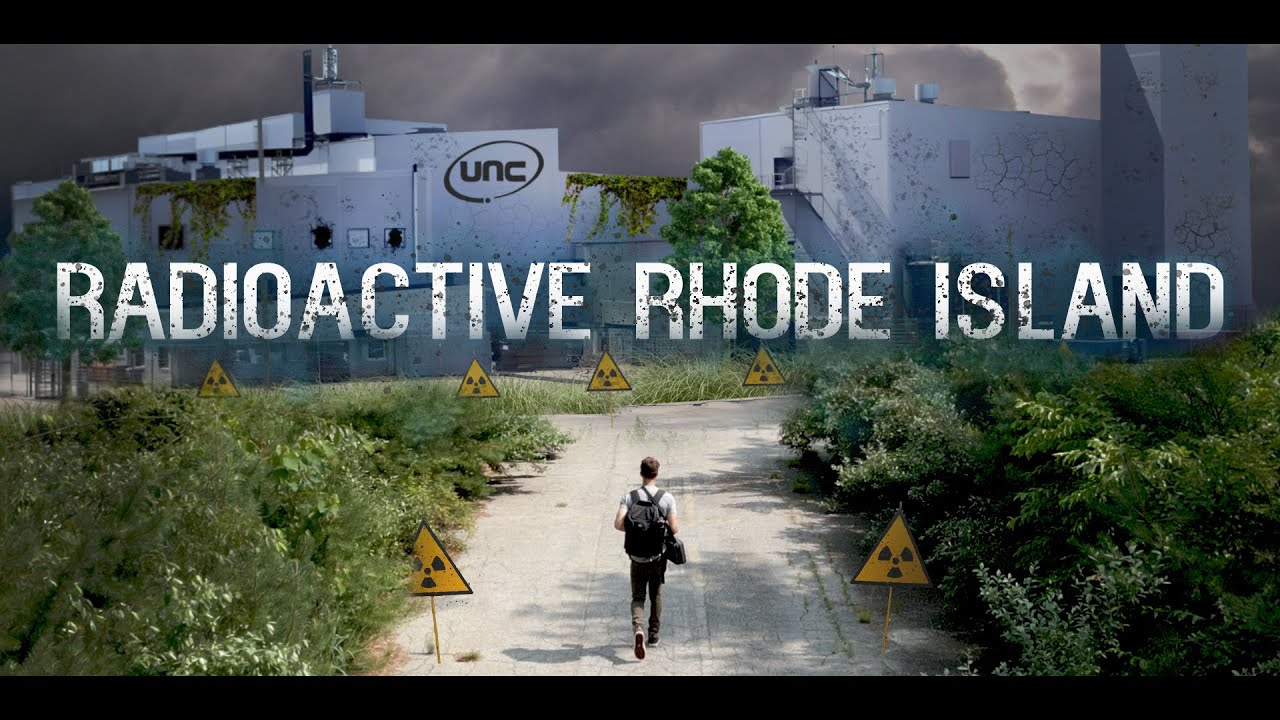
Is There a Nuclear Power Plant in Rhode Island?
Rhode Island, known as the "Ocean State," is the smallest state in the United States. However, when it comes to energy production, its size does not limit its potential. One might wonder if there is a nuclear power plant in Rhode Island, given its significance in the energy industry. In this article, we will explore Rhode Island’s energy sources, examine its electricity generation, discuss its dependence on nuclear energy, and analyze the absence of a nuclear power plant in the state.
Overview of Rhode Island’s Energy Sources
Rhode Island primarily relies on a diverse mix of energy sources to meet its electricity needs. These sources include natural gas, which accounts for the largest share, followed by renewable energy such as solar, wind, hydroelectric, and biomass. While these sources contribute significantly to the state’s energy production, nuclear power is notably absent from the list.
Examining Rhode Island’s Electricity Generation
Rhode Island’s electricity generation is mainly achieved through natural gas-fired power plants, which provide a reliable and cost-effective source of energy. These plants use natural gas to produce electricity through combustion, which then powers the electrical grid serving the state. Although this method is efficient and widely used, it does not involve nuclear power.
Rhode Island’s Dependence on Nuclear Energy
Despite the absence of a nuclear power plant within the state, Rhode Island depends on nuclear energy for a substantial portion of its electricity. The state imports nuclear power from neighboring states, particularly from the Seabrook Station in New Hampshire and the Millstone Power Station in Connecticut. These facilities generate abundant electricity using nuclear fission, which is then transmitted to Rhode Island through regional power grids.
The Absence of a Nuclear Power Plant in Rhode Island
Rhode Island does not currently have a nuclear power plant within its borders. The decision not to construct one can be attributed to various factors, including limited space, environmental concerns, and public opinion. The state’s small land area and densely populated regions make it challenging to find suitable sites for a nuclear power plant. Furthermore, concerns about the potential environmental impact, safety issues, and the management of nuclear waste have likely influenced the lack of nuclear power infrastructure.
Alternative Energy Sources in the State
Rhode Island has been actively diversifying its energy sources and promoting renewable energy initiatives. The state has invested in solar farms, wind turbines, and hydroelectric projects to harness the power of natural resources. These alternative energy sources not only contribute to reducing greenhouse gas emissions but also provide a more sustainable and environmentally friendly option compared to fossil fuels or nuclear power.
Nuclear Power Plant Proximity to Rhode Island
Although there is no nuclear power plant in Rhode Island, the state is situated near a few major nuclear power facilities. The Seabrook Station in New Hampshire, located approximately 65 miles to the northeast, and the Millstone Power Station in Connecticut, situated around 35 miles to the southwest, play crucial roles in supplying nuclear-generated electricity to the state. The proximity of these plants ensures a reliable energy supply for Rhode Island.
Possible Benefits of a Nuclear Power Plant in Rhode Island
While Rhode Island does not currently have a nuclear power plant, such a facility could provide certain advantages. Nuclear power offers a constant and reliable source of electricity, reducing the state’s dependence on importing energy from neighboring states. It could also contribute to the state’s economy by creating jobs during the construction and operation phases of the plant. Additionally, nuclear power does not emit carbon dioxide, making it a potential tool in the fight against climate change.
Potential Risks and Concerns of Nuclear Power
Nuclear power is not without risks and concerns, which may have influenced Rhode Island’s decision not to establish a nuclear power plant. Accidents, though rare, can have severe consequences for both human health and the environment. The management and disposal of nuclear waste remain a challenge, requiring long-term solutions. Furthermore, the high capital costs associated with constructing a nuclear power plant and the potential for public opposition are considerations worth noting.
Public Opinion on Nuclear Power in Rhode Island
Public opinion on nuclear power in Rhode Island is diverse and influenced by various factors. Some individuals support the use of nuclear energy due to its reliability and potential contribution to reducing carbon emissions. Others have concerns about its safety and the long-term management of nuclear waste. The state must consider public sentiment when evaluating the feasibility of establishing a nuclear power plant.
Exploring the State’s Renewable Energy Goals
Rhode Island has set ambitious renewable energy goals to create a sustainable future. The state aims to obtain 100% of its electricity from renewable sources by 2030 and reduce overall greenhouse gas emissions. These goals signify the state’s commitment to combat climate change and transition to a cleaner energy system, potentially further reducing the need for nuclear power.
Conclusion: The Future of Nuclear Power in Rhode Island
While Rhode Island does not currently have a nuclear power plant within its borders, it remains reliant on nuclear energy imported from neighboring states. The absence of a nuclear power plant in Rhode Island can be attributed to factors such as limited space, environmental concerns, and public opinion. As the state continues to invest in renewable energy and pursue ambitious goals, the future of nuclear power in Rhode Island remains uncertain. The decision to embrace or exclude this energy source will depend on various factors, including technological advancements, safety considerations, and public sentiment.