What would a colonist from Rhode Island most likely be identified as?

A colonist from Rhode Island would most likely be identified as a “Rhode Islander.” Rhode Island, one of the thirteen original colonies, was founded by Roger Williams as a haven for religious freedom. Its residents, known as Rhode Islanders, played a significant role in the American Revolution and the formation of the United States. Today, the term “Rhode Islander” continues to represent the state’s rich history and traditions.
Read More

What was the reason for Rhode Island’s boycott of the Constitutional Convention?

Rhode Island’s boycott of the Constitutional Convention stemmed from various reasons. Firstly, the state’s government feared that the convention aimed to significantly curtail their sovereignty and infringe upon their rights. Additionally, Rhode Island’s economy heavily relied on trade, and they believed that the proposed constitution would favor larger states, ultimately jeopardizing their economic interests. Lastly, the lack of a strong central government in the Articles of Confederation provided Rhode Island with the autonomy they desired, making them skeptical of any changes that could potentially threaten their independence.

Read More

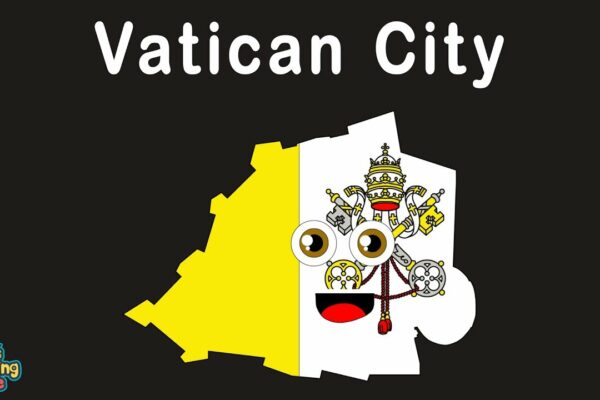
What is the size comparison between Vatican City and Rhode Island?

Vatican City, the smallest independent state globally, occupies a mere 0.17 square miles, while Rhode Island, the smallest state in the US, spans around 1,214 square miles. In simple terms, Vatican City can fit into Rhode Island approximately 7,138 times. This staggering difference highlights the vastness of Rhode Island in comparison to the petite territory of Vatican City.

Read More

Is it possible to visit open campgrounds in Rhode Island?

Rhode Island, known for its stunning natural landscapes, offers a plethora of open campgrounds for outdoor enthusiasts. These sites provide an ideal retreat for nature lovers seeking a peaceful getaway. However, it is important to note that due to varying regulations and restrictions, visiting open campgrounds in Rhode Island may require advanced reservations or permits. To ensure a smooth and enjoyable experience, it is advisable to research and adhere to specific guidelines provided by the campgrounds and local authorities.

Read More

What was the reason for Rhode Island’s decision not to sign the Constitution?

Rhode Island’s decision not to sign the Constitution can be attributed to several key reasons. Firstly, the state feared that the proposed national government would infringe upon its sovereignty and individual rights. Additionally, Rhode Island’s economy heavily relied on trade, and the absence of specific provisions protecting maritime interests in the Constitution raised concerns. Lastly, the state’s political leaders argued that the Constitution lacked a Bill of Rights, which they deemed necessary for safeguarding personal liberties. These factors collectively led Rhode Island to withhold its support for the Constitution, highlighting the diversity of opinions that shaped the formation of our nation.

Read More

Has Rhode Island ever had slaves?

Rhode Island, a state with a rich history, indeed had a significant involvement in the transatlantic slave trade. During the 18th century, it served as a major hub for the trafficking of African slaves to the American colonies. However, it is crucial to acknowledge that the state also played a significant role in the abolitionist movement, with many Rhode Islanders actively involved in the fight against slavery.

Read More

Is it permissible to sell merchandise from my car in Rhode Island?

Selling merchandise from your car in Rhode Island is subject to specific regulations. According to state law, it is permissible only if you obtain a Mobile Vendor License. This requires submitting an application, paying a fee, and adhering to zoning restrictions. Failure to comply may result in penalties. Therefore, it is crucial to familiarize yourself with the legal requirements before engaging in mobile vending activities.

Read More

Is it possible for primary candidates to receive public funds in Rhode Island?

In Rhode Island, primary candidates can indeed receive public funds, thanks to the state’s Campaign Finance Program. This initiative aims to ensure fair and transparent elections by providing public financing options to eligible candidates. By meeting certain requirements and abiding by spending limits, primary candidates can access public funding, reducing their reliance on private donations and leveling the playing field. This system promotes a more inclusive and equitable electoral process for all individuals seeking public office in the state.

Read More