At what stage should Rhode Island Red chickens be slaughtered?

Rhode Island Red chickens, a popular breed known for their meat and egg production, require careful consideration when it comes to determining the appropriate stage for slaughter. Although individual preferences vary, experts suggest that Rhode Island Red chickens should be slaughtered at around 12-16 weeks of age. At this stage, they have reached a desirable weight, ensuring optimal meat quality. Factors such as feed and living conditions also play a crucial role in determining the ideal slaughter stage. Proper planning and consultation with experienced farmers are essential to obtain the best results.


Read More

Which types of chickens are compatible with Rhode Island Reds?

When selecting chicken breeds to coexist with Rhode Island Reds, compatibility is crucial for a harmonious flock. Optimal choices include Plymouth Rocks, Wyandottes, and Orpingtons, all known for their docile temperament and ability to get along well with Rhode Island Reds. These breeds share similar hardiness, size, and egg-laying capabilities, ensuring a productive and peaceful environment for all. It is advisable to introduce new chickens gradually and provide ample space and resources to maintain a balanced and contented flock.

Read More

Do Rhode Island Red chickens exhibit broodiness?

Rhode Island Red chickens, a popular breed among poultry enthusiasts, are known for their exceptional egg-laying capabilities and hardiness. However, one may wonder if they exhibit broodiness, a natural instinct in hens to sit on and incubate eggs. Unlike some other breeds, Rhode Island Reds tend to have a lower tendency for broodiness. This characteristic makes them ideal for consistent egg production, as they are less likely to interrupt their laying cycle for extended periods. While individual hens may occasionally show broody behavior, it is not as prevalent in the breed as in others.

Read More

Is it recommended to have Rhode Island Red chickens as pets?

Rhode Island Red chickens, renowned for their hardiness and prolific egg-laying abilities, are increasingly sought after as pets. With their docile nature and striking appearance, these birds make excellent companions for those seeking a feathered friend. However, potential owners must consider their space requirements and commitment to meeting the needs of these active birds. Proper housing, nutrition, and healthcare are essential to ensure a happy and healthy life for Rhode Island Red chickens.

Read More

Do Rhode Island Red chickens make a lot of noise?

Rhode Island Red chickens, a popular breed among poultry owners, are known for their vibrant red feathers and exceptional egg production. However, one aspect that potential owners should consider is the noise level these chickens can generate. While not excessively loud, Rhode Island Reds do vocalize regularly, especially when they are excited, stressed, or laying eggs. Their typical vocalizations include clucking, cackling, and occasionally crowing in the case of roosters. Therefore, if you’re residing in an urban or noise-sensitive area, it is recommended to provide adequate housing and soundproofing measures to ensure a harmonious coexistence with these lively birds.

Read More

Do Rhode Island Red chickens hatch as baby chicks?

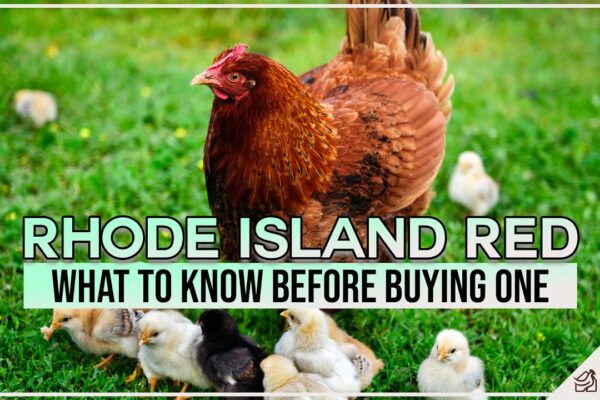
Rhode Island Red chickens, a popular breed known for their excellent egg-laying abilities and friendly temperament, do indeed hatch as adorable baby chicks. These chicks emerge from their eggs after an incubation period of approximately 21 days. During this time, the mother hen diligently tends to her eggs, keeping them warm and protected until they are ready to hatch. Once hatched, these chicks are full of energy and curiosity, embarking on their journey towards adulthood. It’s fascinating to witness the transformation of these fluffy chicks into beautiful, productive chickens over time.

Read More

Are Rhode Island Red chickens aggressive?

Rhode Island Red chickens, known for their stunning appearance and egg-laying abilities, are often questioned for their aggression. While some individuals may exhibit territorial behavior, it is important to note that this breed is generally docile and friendly. Factors such as inadequate living conditions or lack of socialization can contribute to aggression. Proper care, ample space, and early handling can help ensure a peaceful and amiable flock of Rhode Island Reds.

Read More

Do Rhode Island Red chickens make a lot of noise?

Rhode Island Red chickens, known for their vibrant red feathers and superb egg-laying abilities, are a popular choice among backyard chicken enthusiasts. However, one may wonder, do these chickens make a lot of noise? The answer lies in their nature. While not excessively noisy, Rhode Island Reds are not the quietest breed either. They possess a moderate volume level, producing occasional clucks, cackles, and squawks throughout the day. This noise is typically more pronounced when they lay eggs or are startled. Overall, when considering noise levels, Rhode Island Reds fall within the average range for chicken breeds, making them a suitable option for those who can tolerate a moderate level of noise in their backyard.

Read More

Are ticks part of the diet of Rhode Island Red chickens?

Ticks are not a preferred dietary choice for Rhode Island Red chickens. While these chickens consume insects as part of their natural foraging behavior, ticks are typically not a significant part of their diet. Rhode Island Reds primarily feed on seeds, grains, insects, and vegetation, making them more attracted to other insects like beetles and worms. However, it is important to note that chickens can occasionally consume ticks if they come across them while foraging.

Read More

Can Rhode Island Red chickens fly?

Rhode Island Red chickens are known for their vibrant plumage and exceptional egg-laying abilities. However, many individuals wonder if these chickens possess the capability to take flight. Unlike some other breeds, Rhode Island Reds are not renowned for their flying prowess. While they may have the ability to briefly glide or hop short distances, these birds are primarily ground-dwelling creatures. Their inability to fly long distances can be attributed to their larger size and muscular build. Therefore, if you’re considering getting Rhode Island Reds, rest assured that their flightlessness will not hinder their overall productivity or suitability as backyard poultry.

Read More